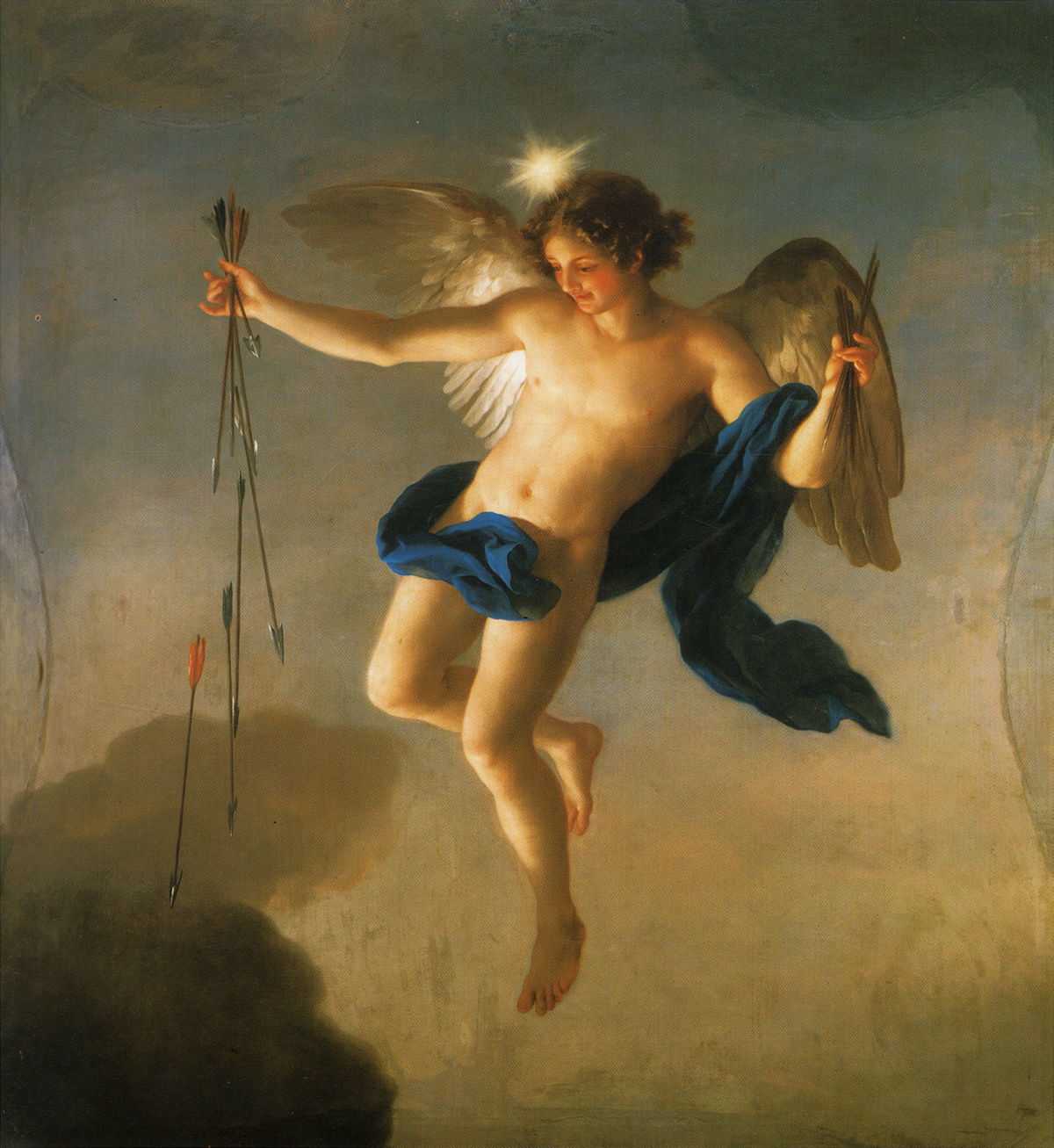
In Greek mythology, Hesperus is often recognized as the personification of the evening star, commonly associated with the planet Venus. He is depicted as a beautiful and radiant figure who lights up the night sky as the sun sets. Hesperus is a son of the Titan Atlas and is frequently mentioned in various ancient texts and myths. His significance goes beyond just being a celestial body; he embodies themes of love, beauty, and the transition from day to night. This article will delve into the many aspects of Hesperus, exploring his origins, his representations in art and literature, and his connections to other mythological figures.

Origins of Hesperus
The origins of Hesperus can be traced back to ancient Greek cosmology. He is often linked to the Hesperides, the nymphs who tended a blissful garden in the far west, where golden apples grew. These apples were coveted and were part of many myths, including the story of Heracles. Hesperus, as the evening star, was believed to guide travelers and sailors, helping them navigate through the dark. The association with the west is significant as it represents the end of the day, where Hesperus shines brightly before night falls.
In some accounts, Hesperus is referred to as the son of Atlas and Pleione, who was one of the Oceanids. Atlas, a Titan condemned to hold up the sky, had several daughters known as the Pleiades, and Hesperus is sometimes considered a brother to these stars. His lineage is intertwined with other significant mythological figures, which adds depth to his character. The blending of his identity with that of the Hesperides illustrates the interconnectedness of Greek myths and how various characters complement each other’s stories.
Symbolism and Representation
Hesperus symbolizes not just the evening star but also the transition from light to darkness, embodying the concept of change. In many myths, he represents the beauty and tranquility that comes with the evening. The light of Hesperus is often seen as a comforting presence in the night sky, a reminder that even as the day ends, beauty remains. His appearance signifies the time when lovers meet, making him a romantic figure in Greek mythology.
 Hippolyta
Artists and poets have long celebrated Hesperus in their works. He is often depicted as a handsome young man, radiant and glowing, drawing attention to his beauty and allure. In art, he is commonly shown holding a torch, illuminating the darkness, which symbolizes hope and guidance. This representation highlights his role as a protector of travelers and lovers, leading them safely through the night. His ethereal beauty and light serve as metaphors for love and desire, making him a prominent figure in literature and art.
Hesperus in Literature
Hesperus appears in various literary works, most notably in the poems of ancient Greek poets. One of the most famous references comes from Hesiod, who mentions Hesperus in his work “Theogony.” Here, he is celebrated as a beautiful star that shines in the evening sky, marking the end of the day. His presence is often contrasted with that of Phosphorus, the morning star, symbolizing the duality of light and darkness.
The Roman poet Ovid also references Hesperus in his work “Metamorphoses.” In this epic poem, Hesperus is depicted as a guiding star for lovers, particularly in the story of Orpheus and Eurydice. The star’s appearance signifies hope and the longing for reunion, underscoring the theme of love that transcends even death. Ovid’s portrayal of Hesperus adds a layer of emotional depth, showcasing the star as a symbol of eternal love and longing.
 Hippolytus
Connections to Other Mythological Figures
Hesperus has significant connections to other characters in Greek mythology. One of the most notable relationships is with Aphrodite, the goddess of love and beauty. In some myths, Hesperus is depicted as her son, which emphasizes his role in romantic endeavors. His association with love and beauty aligns him closely with Aphrodite, further establishing him as a romantic figure. This connection has led to many interpretations of Hesperus as a symbol of passionate love and desire.
Another important figure related to Hesperus is Zephyrus, the god of the west wind. In various myths, Zephyrus and Hesperus are seen as companions, working together to bring about the evening. Their partnership illustrates the harmony between the natural elements and the celestial bodies. This connection highlights the importance of both figures in the changing of the day into night, showcasing their roles in Greek mythology as essential components of the natural order.
Cultural Impact of Hesperus
The impact of Hesperus extends beyond ancient Greek mythology into modern culture. His representation as the evening star has influenced various aspects of art, literature, and even astrology. In astrology, the planet Venus, which Hesperus represents, is associated with love, beauty, and relationships. This connection has made Hesperus a symbol of romantic ideals, influencing how people perceive love and desire in contemporary culture.
In literature, Hesperus continues to be a source of inspiration for poets and writers. His imagery evokes feelings of nostalgia and longing, often used to represent the beauty of love that is fleeting. Many contemporary poets draw upon the symbolism of Hesperus to convey themes of love, loss, and the passage of time. His legacy as the evening star persists, reminding us of the enduring power of love and beauty.
Hesperus in Astronomy
From an astronomical perspective, Hesperus is often identified with the planet Venus when it appears in the evening sky. Venus is one of the brightest objects in the night sky and has been observed by humans for thousands of years. Its brightness and beauty have led many cultures to associate it with various deities and myths. In Greek mythology, the dual nature of Venus as both the morning and evening star has led to the identification of Hesperus with the evening aspect of this planet.
The study of Venus has also contributed to our understanding of the solar system. As one of our neighboring planets, Venus is similar in size and composition to Earth, which makes it a subject of interest for scientists. The exploration of Venus has revealed much about planetary atmospheres and the conditions that can lead to the development of life. Thus, Hesperus, while a mythological figure, has a significant role in both cultural and scientific discussions.
Conclusion of Hesperus’ Mythology
The mythology of Hesperus encapsulates a rich tapestry of themes, symbols, and connections that resonate through time. His portrayal as the evening star not only highlights his beauty but also signifies the deeper meanings associated with love, transition, and the natural world. The stories and representations of Hesperus in ancient texts, art, and modern culture illustrate the enduring legacy of this mythological figure.
Hesperus continues to inspire and evoke emotions in people today, reminding us of the beauty that exists in both the light and the darkness. His journey from ancient mythology to contemporary culture showcases the timeless nature of love and the celestial, reinforcing his place in the hearts and minds of those who seek to understand the mysteries of the universe.