
Tiermes is a fascinating topic that delves deep into the world of Sámi mythology. The Sámi people, indigenous to the northern parts of Norway, Sweden, Finland, and Russia, have a rich cultural heritage and a profound connection to nature. Their myths and legends often reflect their understanding of the world around them, showcasing the importance of animals, spirits, and the natural elements. In this article, we will explore the various aspects of Tiermes, its significance in Sámi culture, and the stories that have been passed down through generations.
The Origins of Tiermes
The concept of Tiermes in Sámi mythology is deeply rooted in their understanding of the cosmos. According to traditional beliefs, Tiermes is often associated with the god of the underworld or the spirit of the dead. This figure plays a crucial role in the Sámi worldview, representing the connection between life and death. The Sámi believed that after death, the soul would journey to the realm of Tiermes, where it would encounter various challenges and tests.
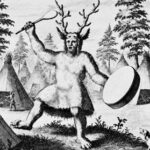 Seide
SeideThe origins of Tiermes can be traced back to ancient times when the Sámi people relied heavily on oral traditions to pass down their myths. These stories were often told during long winter nights, around the warmth of a fire. The tales of Tiermes were used not only to explain the mysteries of death but also to teach valuable lessons about respect for nature and the importance of living in harmony with the world.
Key Characteristics of Tiermes
- Guardian of Souls: Tiermes is often viewed as a protector of souls, guiding them through the afterlife.
- Connection to Nature: The stories surrounding Tiermes emphasize the importance of nature and the interconnectedness of all living beings.
- Symbol of Transformation: Tiermes represents the transformation that occurs after death, highlighting the cycle of life.
One of the most significant characteristics of Tiermes is its role as the guardian of souls. The Sámi believed that upon death, the soul would need guidance to navigate the afterlife. Tiermes was seen as a compassionate figure, helping souls transition from the physical world to the spiritual realm. This aspect of Tiermes reflects the Sámi’s deep respect for their ancestors and their belief in the continuity of life beyond death.
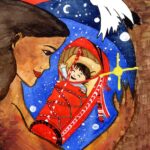 Sarakka
Another important characteristic is the connection to nature. The Sámi mythology is heavily intertwined with the natural world, and Tiermes embodies this relationship. The stories often include elements of the landscape, such as mountains, rivers, and forests, which serve as backdrops for the journeys of souls. This connection emphasizes the Sámi belief that nature is not just a resource but a living entity that deserves respect and reverence.
Myths and Legends of Tiermes
The myths and legends surrounding Tiermes are rich and varied, often reflecting the values and beliefs of the Sámi people. One popular story involves a hero who must journey to the realm of Tiermes to rescue a loved one. This tale showcases the themes of bravery, sacrifice, and the enduring bond between family members. The hero’s journey is fraught with challenges, including encounters with various spirits and tests of character.
Another well-known legend tells of how Tiermes came to be the guardian of souls. In this story, Tiermes was once a mortal who lived in harmony with nature. After a tragic event that led to the loss of a loved one, Tiermes was granted the ability to guide souls in the afterlife. This transformation highlights the idea that personal loss can lead to greater understanding and purpose.
 Maderatcha
Lessons from Tiermes Myths
- The Importance of Family: Many stories emphasize the bonds of family and the lengths one will go to protect loved ones.
- Respect for Nature: The myths serve as reminders of the interconnectedness of all living beings and the need to respect the environment.
- Embracing Change: The stories often illustrate the idea of transformation and the acceptance of life’s cycles.
One of the most significant lessons from the myths of Tiermes is the importance of family. The stories often depict characters who embark on perilous journeys to save their loved ones, emphasizing the idea that family ties are sacred. This theme resonates deeply with the Sámi culture, where community and familial bonds are paramount. The sacrifices made by heroes in these tales serve as a reminder of the lengths to which one should go to protect and cherish family.
Another crucial lesson is the need for respect for nature. The Sámi people have always held a deep reverence for the natural world, and the myths of Tiermes reflect this belief. The stories often include elements of nature as characters or obstacles, reminding listeners of the importance of living in harmony with the environment. This connection to nature serves as a guiding principle for the Sámi way of life, highlighting the need to protect the land and its resources.
The Role of Rituals in Sámi Culture
Rituals play a significant role in Sámi culture, particularly in relation to their beliefs about Tiermes and the afterlife. These rituals are often performed to honor the deceased and to ensure a safe passage for their souls to the realm of Tiermes. One common practice is the reburial of the dead, where the remains of a loved one are moved to a sacred site. This act is believed to facilitate the soul’s journey and to connect the living with their ancestors.
Another important ritual involves the use of drumming and singing during ceremonies. These musical elements are thought to create a spiritual atmosphere, allowing participants to connect with the world of spirits. The drumming is often rhythmic and repetitive, inducing a trance-like state that helps individuals communicate with Tiermes and seek guidance for their loved ones. This practice highlights the importance of music and art in Sámi spirituality.
Common Sámi Rituals Related to Tiermes
- Reburial Ceremonies: These are performed to honor and assist the souls of the deceased.
- Drumming and Singing: Used to create a spiritual connection during rituals.
- Offerings to Spirits: Food and other items are often left as offerings to appease spirits.
Reburial ceremonies are one of the most profound expressions of Sámi beliefs about death and the afterlife. These rituals are not only about honoring the dead but also about reinforcing the ties between the living and the deceased. During these ceremonies, family members gather to share stories, reminisce about the departed, and celebrate their lives. This collective mourning process is crucial for the healing of the community and the individual.
Drumming and singing play a vital role in these rituals as well. The rhythmic beats of the drum resonate with the heartbeat of the earth, creating a connection between the physical and spiritual realms. As participants sing traditional songs, they invoke the presence of Tiermes and other spirits, seeking their guidance and protection. This musical aspect of rituals reflects the importance of art in Sámi culture and its role in spiritual practices.
Modern Interpretations of Tiermes
In contemporary times, the myths of Tiermes have taken on new meanings as the Sámi people navigate the complexities of modern life. Many Sámi artists and storytellers are reviving these ancient tales, adapting them to address current issues such as identity, cultural preservation, and the impact of climate change. This resurgence of interest in Sámi mythology serves as a way to reconnect with their roots and to educate younger generations about their heritage.
Modern interpretations of Tiermes often highlight the ongoing struggle for Sámi rights and recognition. The stories are used as a means of advocating for cultural preservation and environmental sustainability. By sharing the myths of Tiermes, Sámi storytellers emphasize the importance of respecting nature and the spiritual connections that bind all living beings together. This approach not only preserves their cultural identity but also raises awareness about the challenges facing indigenous communities today.
Influence of Tiermes in Art and Literature
- Literature: Many contemporary Sámi authors incorporate themes of Tiermes in their works.
- Visual Arts: Artists use imagery from Tiermes mythology to express cultural narratives.
- Performing Arts: Traditional stories are retold through dance and theater.
The influence of Tiermes can be seen in various forms of literature. Contemporary Sámi authors often weave elements of Tiermes mythology into their narratives, exploring themes of identity, loss, and the relationship between humans and nature. These literary works serve as a bridge between the past and the present, allowing readers to engage with Sámi culture in meaningful ways. Through storytelling, these authors keep the myths alive and relevant to modern audiences.
In the realm of visual arts, Sámi artists frequently draw inspiration from Tiermes mythology. Their works often feature symbols and motifs that represent the stories and beliefs associated with this figure. By using traditional techniques and materials, these artists create pieces that not only celebrate their heritage but also provoke thought about contemporary issues. This artistic expression serves as a powerful tool for cultural preservation and self-identity.
The legacy of Tiermes in Sámi mythology is a testament to the resilience and richness of Sámi culture. Through their myths, rituals, and artistic expressions, the Sámi people continue to honor their ancestors and the natural world. The stories of Tiermes remind us of the importance of family, respect for nature, and the enduring connections that bind us all. As the Sámi navigate the challenges of modern life, the teachings of Tiermes will undoubtedly continue to inspire and guide them.