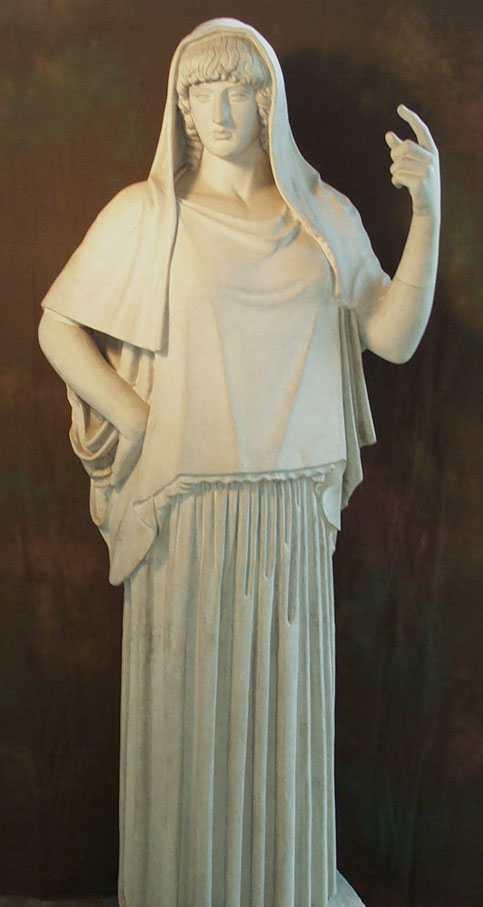
Hestia is a significant figure in Greek mythology, known as the goddess of the hearth, home, and domesticity. She represents the warmth and comfort of the family home, and her presence was essential for both the physical and emotional well-being of the household. Hestia is one of the twelve Olympian deities, and although she may not have been as prominent in myths as other gods like Zeus or Athena, her influence was deeply felt in everyday life. People worshipped her in various ways, and her role in ancient Greek society was crucial to maintaining harmony within the home and community.
The Origins of Hestia
The origins of Hestia can be traced back to the ancient Greek pantheon, where she is the firstborn child of the Titans Cronus and Rhea. According to myth, Cronus swallowed his children to prevent them from overthrowing him, but Rhea managed to save Hestia by hiding her away. Later, when Zeus, the youngest child, forced Cronus to regurgitate his siblings, Hestia emerged as one of the first Olympians. This story highlights her importance in the family hierarchy and sets the stage for her role as a nurturing figure.
 Hippolyta
Hestia’s name itself is derived from the Greek word for “hearth.” The hearth was the center of the household, where families gathered for warmth and nourishment. It was also the site of various rituals and offerings made to the gods. As the goddess of the hearth, Hestia’s role was to ensure that the fire of the hearth burned brightly and that the home was a place of safety and security. She is often depicted as a modest and gentle figure, embodying the virtues of home and family life.
Hestia’s Role in Greek Society
In ancient Greece, Hestia held a unique position among the gods. Unlike many other deities, she did not have a major temple dedicated solely to her. Instead, she was worshipped in the home and at the hearth, making her presence felt in daily life rather than grand ceremonies. This reflects her role as a protector of domesticity and family values. The importance of Hestia is evident in the rituals surrounding marriage and childbirth, where she was invoked to bless the home and ensure a safe environment for the family.
Hestia was also honored in public spaces, particularly in city-states like Athens. Each city had a communal hearth, where Hestia was worshipped as the guardian of the community. This communal hearth served as a symbol of unity and shared identity among the citizens. Festivals were held in her honor, emphasizing the importance of home and community in Greek culture. These celebrations included offerings of food and wine, signifying gratitude for the warmth and sustenance she provided.
 Hippolytus
Symbolism of Hestia
The symbolism associated with Hestia is rich and multifaceted. As the goddess of the hearth, she embodies the concepts of warmth, comfort, and security. The hearth fire represents not only the physical warmth of the home but also the emotional bonds that tie families together. In many ways, Hestia symbolizes the heart of the family, where love and care flourish. Her association with the hearth also connects her to the idea of hospitality, a key value in ancient Greek culture.
Another important symbol of Hestia is the flame. The eternal flame of the hearth was a sign of the household’s prosperity and well-being. It was believed that as long as the flame burned, the family would be safe and prosperous. This idea extended beyond the home, as the flame also represented the community’s spirit. In times of war or hardship, the preservation of the flame was seen as crucial to maintaining hope and resilience.
Myths and Legends Involving Hestia
While Hestia may not be the central figure in many myths, there are a few stories that highlight her character and significance. One notable myth involves her decision to remain a virgin and not take a husband. This choice set her apart from other goddesses, such as Hera and Aphrodite, who were known for their romantic relationships. Hestia’s vow of chastity symbolizes her commitment to the home and family, prioritizing her role as a caretaker over personal desires.
 Horae
HoraeAnother important aspect of Hestia’s mythology is her relationship with other gods. She is often depicted as a peaceful and nurturing figure, promoting harmony among the Olympians. For instance, during the Titanomachy, the battle between the Titans and the Olympians, Hestia played a crucial role by providing a safe space for her siblings. Her home was a sanctuary where they could find solace and support during the chaos of war. This illustrates her nurturing nature and her ability to foster unity among the gods.
Worship and Rituals Dedicated to Hestia
The worship of Hestia was characterized by simplicity and sincerity. Unlike the elaborate rituals associated with other gods, offerings to Hestia were often modest and personal. Families would make daily offerings at the hearth, such as bread, wine, and vegetables, to show their gratitude and seek her blessings. These offerings were usually accompanied by prayers, asking for her protection and guidance in maintaining a harmonious home.
In public worship, Hestia was honored at various festivals, where communities came together to celebrate their shared values. One such festival was the Hestiaia, which involved communal meals and sacrifices made to the goddess. During these events, families would come together to share food and stories, reinforcing the bonds of community and family. This emphasis on togetherness reflects Hestia’s role as the guardian of the hearth and the unifying force within the household.
Hestia in Art and Literature
Hestia’s influence extends beyond mythology into the realms of art and literature. She is often depicted in ancient Greek pottery, sculpture, and paintings, where she is portrayed as a serene and modest figure. Artists frequently illustrated her alongside the hearth, emphasizing her connection to domestic life. These artistic representations served as a reminder of the importance of home and family values in Greek society.
In literature, Hestia appears in various ancient texts, including the works of Homer and Hesiod. While her appearances may not be as frequent as those of other gods, her presence is significant. For instance, in the Homeric Hymns, Hestia is praised for her nurturing qualities and her role as a protector of the household. These literary references contribute to our understanding of her character and the values she represents in Greek culture.
The Legacy of Hestia
Hestia’s legacy continues to resonate in modern society. The values she embodies, such as family, home, and hospitality, remain relevant today. Many cultures still emphasize the importance of the family unit and the role of the home as a sanctuary. Hestia’s influence can also be seen in contemporary discussions about the significance of community and the importance of nurturing relationships.
In addition to her cultural impact, Hestia has inspired various artistic interpretations and adaptations in modern literature and media. Her character has been reimagined in novels, films, and television shows, often highlighting her nurturing qualities and her connection to domestic life. These adaptations serve to keep her memory alive and remind us of the timeless values she represents.
Hestia, the goddess of the hearth and home, holds a unique and essential place in Greek mythology. Her influence on ancient Greek society, her symbolism of warmth and security, and her role in fostering family and community values make her a significant figure in the pantheon of Greek deities. Although she may not be as celebrated as other gods, her legacy continues to inspire and resonate in modern culture, reminding us of the enduring importance of home, family, and togetherness.