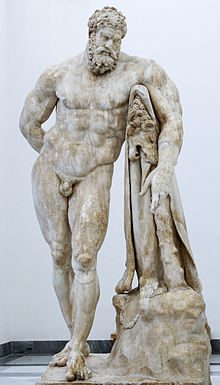
Hercules, known as Heracles in Greek mythology, is one of the most famous figures in Roman mythology. He is often depicted as a powerful hero with incredible strength and courage. The tales of Hercules are filled with adventures and challenges that showcase his abilities and determination. His stories have been told for centuries, inspiring countless works of art, literature, and entertainment. Hercules is not only a symbol of strength but also a representation of the human spirit’s ability to overcome obstacles. His character embodies the qualities of bravery, resilience, and the pursuit of greatness.
The Birth of Hercules
The story of Hercules begins with his birth, which is marked by divine intervention and tragedy. He was the son of Zeus, the king of the gods, and Alcmene, a mortal woman. Zeus, known for his many affairs, fell in love with Alcmene and disguised himself as her husband, Amphitryon, to conceive Hercules. This union angered Hera, Zeus’s wife, who was known for her jealousy. To take revenge, Hera sent two serpents to kill the infant Hercules while he was still in his crib. However, even as a baby, Hercules displayed extraordinary strength by strangling the serpents with his bare hands.
 Hersilia
Hera’s jealousy did not end with Hercules’s birth. Throughout his life, she continued to torment him. Despite the challenges he faced, Hercules grew up to become a mighty warrior. His strength and bravery earned him respect and admiration from those around him. He was not just a symbol of physical power; he also possessed a strong sense of justice. Hercules’s early life set the stage for the numerous trials and adventures he would face as he sought to prove himself and earn his place among the gods.
The Twelve Labors of Hercules
One of the most famous aspects of Hercules’s mythology is the series of challenges known as the Twelve Labors. These tasks were assigned to him as a form of penance after he was driven mad by Hera and killed his wife and children. To atone for his actions, Hercules was commanded to complete these seemingly impossible tasks. Each labor tested his strength, intelligence, and determination. The Twelve Labors are as follows:
- The Nemean Lion
- The Lernaean Hydra
- The Ceryneian Hind
- The Erymanthian Boar
- The Augean Stables
- The Stymphalian Birds
- The Cretan Bull
- The Mares of Diomedes
- The Girdle of Hippolyta
- The Cattle of Geryon
- The Apples of the Hesperides
- The Capture of Cerberus
Each labor had its own unique challenges. For example, the first labor involved slaying the Nemean Lion, a beast with impenetrable skin. Hercules ultimately defeated the lion by strangling it and then used its own claws to skin it. The second labor required him to defeat the Lernaean Hydra, a serpent-like creature with multiple heads. Every time Hercules cut off one head, two more would grow back. To overcome this challenge, he sought the help of his nephew, Iolaus, who cauterized the necks to prevent the heads from regrowing.
 Hippona
The Significance of the Labors
The Twelve Labors of Hercules serve multiple purposes in mythology. Firstly, they highlight the hero’s strength and courage. Each labor required not just physical power but also cleverness and resourcefulness. The tasks symbolize the trials that one must face in life, emphasizing the importance of perseverance and resilience. Hercules’s ability to overcome these challenges reflects the human capacity to confront and conquer adversity.
Moreover, the Labors also illustrate the relationship between mortals and gods in mythology. Hercules, despite his divine heritage, faced punishment and trials like any mortal. This aspect of his story resonates with the idea that everyone, regardless of their background, must navigate challenges and struggles. The Labors serve as a reminder that even the strongest heroes have to face consequences for their actions.
 Honos
HonosHercules in Art and Culture
Hercules has been a popular subject in art and culture throughout history. His stories have inspired countless artists, writers, and filmmakers. From ancient sculptures to Renaissance paintings, Hercules’s image has been depicted in various forms. Many artists have focused on the dramatic moments of his Labors, capturing his strength and heroism. For example, the famous statue of Hercules by the sculptor Antonio Canova beautifully represents the hero in a moment of triumph.
In addition to visual art, Hercules has been a prominent figure in literature. Ancient playwrights such as Euripides and Sophocles wrote plays that explored his character and the themes of heroism and tragedy. The Roman poet Ovid also included Hercules in his epic poem “Metamorphoses,” where he detailed many of the hero’s adventures. These literary works have contributed to the enduring legacy of Hercules in Western culture.
The Modern Interpretation of Hercules
In modern times, Hercules continues to be a popular character in various forms of media. Disney’s animated film “Hercules” introduced the hero to a new generation, blending humor and adventure while maintaining the essence of his character. The film showcases Hercules’s journey of self-discovery and his quest for acceptance. It emphasizes the importance of friendship and love, adding a contemporary twist to the ancient myths.
Additionally, Hercules has appeared in numerous television shows, video games, and comic books. His character has been reimagined in various ways, from a comedic hero to a serious warrior. These adaptations demonstrate the versatility of Hercules as a symbol of strength and resilience. They also reflect society’s ongoing fascination with the hero’s journey and the challenges that come with it.
The Legacy of Hercules
The legacy of Hercules extends far beyond mythology. He is often seen as a symbol of strength and perseverance in various cultures around the world. His stories inspire people to face their own challenges with courage and determination. The concept of the “hero’s journey,” which is central to many narratives, can be traced back to the tales of Hercules. His adventures illustrate the universal themes of struggle, growth, and redemption.
In addition to his representation in popular culture, Hercules is often referenced in literature and psychology. The term “Herculean” is used to describe tasks that require great strength or effort. This term reflects the enduring impact of Hercules’s character on language and culture. Furthermore, psychologists have drawn parallels between Hercules’s struggles and the challenges faced by individuals in their own lives, emphasizing the importance of resilience in overcoming adversity.
The Influence of Hercules on Society
Hercules’s influence on society can also be seen in various institutions and organizations. Many sports teams and fitness programs use his name and image to promote strength and endurance. The idea of the hero overcoming obstacles resonates with athletes and individuals striving for personal excellence. Hercules has become a motivational figure, encouraging people to push their limits and achieve their goals.
Moreover, Hercules’s character has been used in educational settings to teach important life lessons. His story serves as a powerful example of how determination and hard work can lead to success. Educators often use his myths to discuss themes such as courage, responsibility, and the consequences of one’s actions. By studying Hercules, students can learn valuable lessons that apply to their own lives.
The Enduring Appeal of Hercules
The enduring appeal of Hercules lies in his relatability as a character. Despite his extraordinary abilities, he faced numerous challenges and setbacks. This aspect of his character makes him more human and accessible to audiences. People can identify with Hercules’s struggles and triumphs, seeing reflections of their own experiences in his stories.
Additionally, the themes of heroism and sacrifice resonate deeply with people across cultures and generations. Hercules embodies the qualities that many aspire to: strength, bravery, and a commitment to doing what is right. His legacy continues to inspire individuals to face their own challenges with courage and determination, making him a timeless figure in mythology.
Hercules’s stories are a testament to the power of mythology to convey important life lessons and values. His adventures remind us that strength is not just physical but also mental and emotional. The tales of Hercules continue to be relevant today, encouraging individuals to embrace their inner hero and strive for greatness. Through art, literature, and modern interpretations, the legacy of Hercules will undoubtedly endure for generations to come.