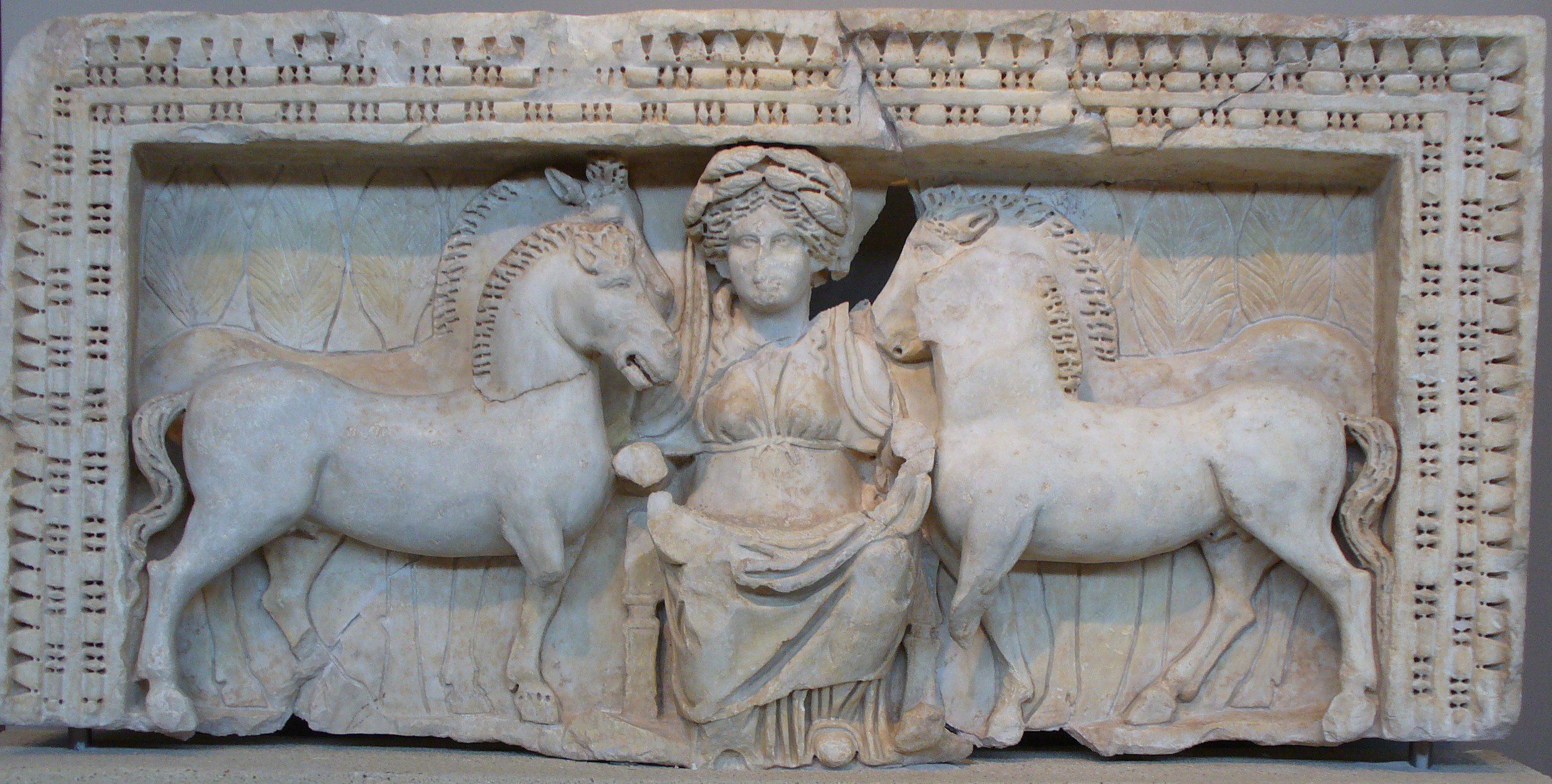
In Roman mythology, Hippona is often associated with the figure of a horse or equine deity. She embodies the qualities of strength, grace, and speed, traits that were highly valued in ancient Roman culture. The Romans had a deep appreciation for horses, not just for their utility in warfare and transportation, but also for their beauty and spirit. Hippona represents these attributes and holds a special place in the pantheon of Roman deities.
The Significance of Horses in Roman Culture
Horses were more than just animals in ancient Rome; they were symbols of power and prestige. The Roman elite often showcased their wealth through their equestrian possessions. Horses were essential for military conquests, and the best horses were highly sought after. They were also used in chariot races, which were immensely popular and attracted large crowds. This connection to power and victory made horses a vital part of Roman life.
 Honos
HonosIn addition to their practical uses, horses were revered in Roman religion. Many deities were associated with horses, and rituals were performed to honor them. Hippona can be seen as a representation of this divine connection. Her character is often linked to the goddess of victory, Victoria, who is frequently depicted riding a chariot pulled by horses. This imagery reinforces the importance of horses in achieving success and glory.
Hippona: The Horse Goddess
Hippona is not one of the most widely recognized deities in Roman mythology, but her role as the horse goddess is significant. She embodies the spirit of the horse and the qualities that humans admire in these magnificent creatures. As a goddess, she is often invoked by those who seek strength and endurance, whether in battle or in personal endeavors. Hippona represents the bond between humans and horses, a relationship that has existed for millennia.
In artistic representations, Hippona is often depicted alongside horses, emphasizing her close connection to these animals. She may be shown riding a majestic steed or standing beside a group of horses, showcasing their beauty and power. This imagery serves to remind people of the importance of respecting and honoring the creatures that have played such a vital role in human history.
 Spes
SpesWorship and Rituals
The worship of Hippona, while not as prominent as that of other Roman deities, still involved various rituals and offerings. Romans believed that by honoring the gods, they could gain favor and blessings in their lives. Rituals dedicated to Hippona often included sacrifices of horses or other animals, as well as offerings of food and drink. These acts were meant to show respect and gratitude to the goddess.
- Horse sacrifices: A common practice to honor Hippona.
- Offerings of food and drink: Romans would present various items to seek her favor.
- Festivals: Special days were set aside to celebrate Hippona and her attributes.
Festivals dedicated to Hippona would typically involve various activities, such as races, competitions, and displays of horsemanship. These events not only celebrated the goddess but also showcased the skills and training of the horsemen. The Romans understood that the success of their military and societal endeavors often depended on the abilities of both the horses and their riders.
Symbolism and Attributes of Hippona
Hippona embodies several key attributes that reflect the qualities of horses. One of her most significant traits is strength. Horses are powerful animals, and their strength has been utilized in various aspects of Roman life, from agriculture to warfare. Hippona symbolizes this strength, representing the idea that individuals can draw upon their inner power to overcome challenges.
 Rhea-silvia
Another important attribute of Hippona is grace. Horses are known for their elegant movements and beauty. Hippona serves as a reminder that grace is not only about physical appearance but also about how one carries oneself in life. This quality can be seen in the way individuals interact with others and approach their goals.
The Legacy of Hippona
While Hippona may not be as well-known as other deities in Roman mythology, her legacy endures in various forms. The admiration for horses and their significance in society is still present today. Equestrian sports, such as dressage and show jumping, showcase the enduring bond between humans and horses, echoing the reverence that Hippona represented.
- Equestrian sports: Modern competitions reflect the skills once celebrated in ancient Rome.
- Art and literature: Horses continue to be subjects of admiration in various artistic expressions.
- Cultural festivals: Events celebrating horses and horsemanship can be traced back to ancient rituals.
Furthermore, Hippona’s influence can be seen in the continued fascination with horses in contemporary culture. From literature to films, horses are often portrayed as symbols of freedom, strength, and companionship. The stories of legendary horses and their riders resonate with audiences, highlighting the timeless connection between humans and these majestic animals.
Conclusion: The Enduring Legacy of Hippona
Hippona, the horse goddess of Roman mythology, represents the deep appreciation and reverence that the Romans held for horses. Her attributes of strength and grace embody the qualities that people admire in these animals. Although she may not be as prominent as other deities, Hippona’s legacy lives on in modern culture, reminding us of the enduring bond between humans and horses. Through various forms of art, literature, and equestrian sports, the spirit of Hippona continues to inspire and captivate audiences around the world.