
Hahgwehdaetgah is a significant figure in Iroquois mythology, representing the embodiment of the natural world and its interconnectedness. In the rich tapestry of Iroquois beliefs, Hahgwehdaetgah is often seen as a symbol of harmony and balance within nature. This deity is crucial in understanding how the Iroquois people perceive their environment and their relationship with it. The stories and legends surrounding Hahgwehdaetgah illustrate the importance of nature in Iroquois culture and how these narratives have shaped their worldview.
Origins of Hahgwehdaetgah
The origins of Hahgwehdaetgah can be traced back to the creation stories of the Iroquois people. According to these stories, Hahgwehdaetgah emerged from the natural elements of the world, embodying the spirit of the earth. This deity is often depicted as a powerful force, capable of influencing the growth of plants and the behavior of animals. The Iroquois believed that Hahgwehdaetgah had a hand in shaping the land, ensuring that it remained fertile and vibrant.
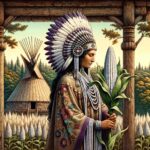 Gunnodoyak
In many legends, Hahgwehdaetgah is portrayed as a guardian of the earth, watching over the plants and animals that inhabit it. This connection to nature is fundamental to the Iroquois way of life, as they rely on the land for sustenance and survival. The stories of Hahgwehdaetgah serve as reminders of the importance of respecting and nurturing the environment, highlighting the belief that all living things are interconnected.
The Role of Hahgwehdaetgah in Iroquois Culture
Hahgwehdaetgah plays a vital role in Iroquois culture, serving as a symbol of balance and harmony. The Iroquois people often looked to this deity for guidance in their daily lives, seeking to maintain a respectful relationship with nature. This relationship is evident in their agricultural practices, where they would offer prayers and thanks to Hahgwehdaetgah for the bounty of the harvest. Such rituals reflect the deep reverence the Iroquois have for the land and its resources.
In addition to agricultural practices, Hahgwehdaetgah is also significant in the spiritual beliefs of the Iroquois. The deity is often invoked during ceremonies and rituals, as the people seek blessings for health, prosperity, and protection. The connection between Hahgwehdaetgah and the natural world is emphasized in these rituals, reinforcing the idea that the health of the land directly impacts the well-being of the community.
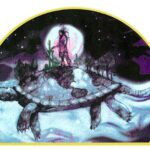 Godasiyo
Key Aspects of Iroquois Rituals
- Prayers and Offerings: The Iroquois people often offer prayers and gifts to Hahgwehdaetgah, asking for blessings on their crops and livestock.
- Ceremonial Dances: Ritual dances are performed to honor Hahgwehdaetgah, celebrating the changing seasons and the bounty of nature.
- Storytelling: Legends of Hahgwehdaetgah are shared among community members, passing down knowledge and cultural values.
Legends and Stories of Hahgwehdaetgah
The legends surrounding Hahgwehdaetgah are numerous and varied, each illustrating different aspects of this deity’s character and influence. One popular story tells of how Hahgwehdaetgah taught the Iroquois people how to cultivate the land, sharing wisdom about planting and harvesting. This story emphasizes the importance of knowledge and cooperation with nature, showcasing how the Iroquois learned to live sustainably.
Another legend describes Hahgwehdaetgah as a protector of animals, ensuring that they thrive in their natural habitats. In this story, the deity intervenes when a group of hunters threatens to overhunt a particular species. Hahgwehdaetgah reminds the hunters of their responsibility to maintain balance in nature, leading them to adjust their practices to ensure the survival of the animals. This narrative highlights the Iroquois belief in stewardship and the necessity of respecting the natural order.
The Symbolism of Hahgwehdaetgah
Hahgwehdaetgah embodies several important symbols within Iroquois mythology. One of the most significant symbols is that of balance. This balance is not only between humans and nature but also among the various elements of the ecosystem. The Iroquois believe that when this balance is disrupted, it can lead to negative consequences, such as poor harvests or natural disasters. Hahgwehdaetgah serves as a reminder of the need to maintain this balance in all aspects of life.
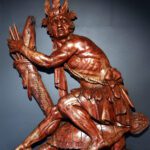 Gaoh
GaohAnother key symbol associated with Hahgwehdaetgah is fertility. The deity is often linked to the growth of plants and the abundance of food. This connection is particularly important for the Iroquois, who rely heavily on agriculture for their sustenance. The stories and rituals surrounding Hahgwehdaetgah emphasize the need for gratitude and respect towards the earth, recognizing that the fertility of the land is a gift that must be cherished.
Hahgwehdaetgah and the Changing Seasons
The relationship between Hahgwehdaetgah and the changing seasons is a prominent theme in Iroquois mythology. Each season is associated with different aspects of nature and agricultural practices, and Hahgwehdaetgah is believed to influence these changes. For instance, during the spring, the deity is celebrated for bringing new life and growth to the land. The Iroquois hold ceremonies to honor Hahgwehdaetgah during this time, expressing their gratitude for the return of warmth and fertility.
As summer arrives, Hahgwehdaetgah is recognized for the abundance of crops and the vitality of the natural world. The Iroquois people often engage in communal activities, such as planting and harvesting, to celebrate this season. They believe that by working together and honoring Hahgwehdaetgah, they can ensure a successful harvest. This collaborative spirit is a cornerstone of Iroquois culture, reflecting the interconnectedness of community and nature.
Seasonal Celebrations
- Spring Ceremonies: Rituals are performed to welcome the growth of new plants and animals.
- Summer Festivals: Community gatherings celebrate the abundance of crops and the blessings of Hahgwehdaetgah.
- Autumn Harvest: The Iroquois give thanks for the successful harvest and prepare for the winter months.
Hahgwehdaetgah in Modern Iroquois Life
In contemporary Iroquois communities, the teachings and stories of Hahgwehdaetgah continue to play a vital role in cultural identity. Many Iroquois people still engage in traditional practices that honor this deity, emphasizing the importance of sustainability and respect for nature. The lessons learned from Hahgwehdaetgah are often integrated into modern agricultural practices, reflecting a commitment to preserving the environment for future generations.
Additionally, the stories of Hahgwehdaetgah serve as a source of inspiration for many Iroquois artists and storytellers. Through various forms of expression, including visual arts, music, and dance, these individuals share the teachings of Hahgwehdaetgah with both their communities and the wider world. This artistic representation helps to keep the cultural heritage alive, ensuring that the values associated with Hahgwehdaetgah are passed down through generations.
Environmental Stewardship and Hahgwehdaetgah
The concept of environmental stewardship is deeply rooted in the teachings of Hahgwehdaetgah. The Iroquois people understand that their well-being is directly tied to the health of the land. This belief has led to a strong commitment to sustainable practices, as they strive to protect the environment for future generations. Hahgwehdaetgah serves as a guiding force in these efforts, reminding the Iroquois of their responsibility to care for the earth.
In recent years, many Iroquois communities have become actively involved in environmental initiatives, advocating for the protection of natural resources and the preservation of traditional lands. These efforts reflect the enduring influence of Hahgwehdaetgah and the belief that humans must work in harmony with nature. By promoting sustainable practices, the Iroquois aim to honor Hahgwehdaetgah and ensure the continued health of their environment.
Hahgwehdaetgah is a central figure in Iroquois mythology, embodying the principles of balance, fertility, and respect for nature. The stories and teachings associated with this deity illustrate the deep connection between the Iroquois people and their environment. As modern Iroquois communities continue to honor Hahgwehdaetgah through rituals, storytelling, and environmental stewardship, the legacy of this important figure remains alive and relevant in today’s world.