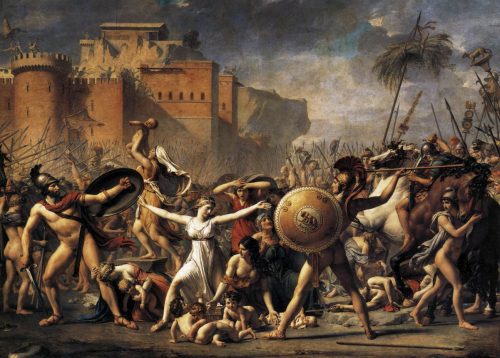
In the realm of Roman mythology, Hersilia is a significant figure, often intertwined with the themes of love, loyalty, and the foundation of Rome itself. Hersilia is primarily known as the wife of Romulus, the legendary founder of Rome. Her story is deeply connected to the early days of the city, particularly the events surrounding the abduction of the Sabine women. This event was crucial for Romulus and his followers, who sought to establish a stable society. Hersilia’s role in this narrative is essential, as she symbolizes the bridge between the early Romans and the Sabine people.
The Legend of Hersilia
The tale of Hersilia begins with the foundation of Rome, which is said to have occurred in 753 BC. According to legend, Romulus and his brother Remus founded the city on the Palatine Hill. However, the city was initially populated only by men, leading to a pressing need for women to ensure the survival and continuation of their society. Romulus devised a plan to abduct women from the neighboring Sabine tribe during a festival, an event that would become known as the Rape of the Sabine Women.
 Hippona
Hersilia was one of the women abducted during this festival. While the act of abduction was violent and controversial, the narrative surrounding Hersilia portrays her as a figure of strength and resilience. After being taken, she did not remain a passive victim. Instead, she became an influential character who played a crucial role in uniting the two communities. Hersilia’s actions during and after the abduction were pivotal in shaping the future of Rome.
The Role of Hersilia in Roman Society
Hersilia’s significance goes beyond her relationship with Romulus. In Roman society, she represented the qualities of a virtuous wife and mother. Hersilia was seen as a model of loyalty, embodying the values that were essential to Roman culture. Her commitment to Romulus and her new community exemplified the ideal of a devoted spouse, which was highly regarded in Roman society.
 Honos
HonosMoreover, Hersilia’s story reflects the complex dynamics of gender roles in ancient Rome. While she was initially a victim of circumstance, she ultimately took charge of her destiny. Hersilia not only adapted to her new life but also played an active role in the political and social landscape of early Rome. This portrayal challenges the traditional narratives of women in mythology, presenting Hersilia as a powerful figure in her own right.
Marriage to Romulus
The marriage between Hersilia and Romulus is a focal point of her story. After the abduction, Romulus and his followers sought to integrate the Sabine women into their community. Hersilia, in particular, became a symbol of this integration. Her union with Romulus not only solidified the bonds between the Romans and the Sabines but also represented the idea of harmony and unity in a newly formed society.
Their marriage was characterized by mutual respect and partnership. Romulus, as the leader, relied on Hersilia’s wisdom and insight to govern their growing city. Hersilia, in turn, supported Romulus in his endeavors, showcasing the importance of collaboration in leadership. This partnership set a precedent for future Roman leaders, emphasizing the role of women in governance and societal development.
 Spes
SpesThe Legacy of Hersilia
The legacy of Hersilia is evident in various aspects of Roman culture and history. She is often celebrated in literature, art, and religious practices. In ancient Rome, Hersilia was venerated as a goddess, particularly associated with marriage and fertility. This reverence highlights the importance of her role as a mother and wife, reinforcing the values of family and community.
Additionally, Hersilia’s story has been interpreted in different ways throughout history. In some narratives, she is depicted as a peacemaker, bridging the gap between the Romans and the Sabines. In others, she is portrayed as a strong, independent woman who shapes her own destiny. These varying interpretations contribute to the richness of her character and the complexities of her story.
Hersilia in Art and Literature
Throughout history, Hersilia has been depicted in various forms of art and literature. One of the most notable representations can be found in Roman sculptures and reliefs, where she is often shown alongside Romulus. These artistic interpretations capture the essence of their relationship and the significance of their union in the context of Rome’s foundation.
In literature, Hersilia’s story has inspired numerous writers and poets. Her character often serves as a symbol of resilience and strength, reflecting the values that were important to Roman society. Works from ancient authors like Plutarch and Livy provide insight into her character and the events surrounding her life, further cementing her place in Roman mythology.
The Worship of Hersilia
In ancient Rome, Hersilia was worshipped alongside other deities associated with marriage and family. Her cult was particularly significant among women, who sought her favor for fertility and harmonious relationships. Rituals and ceremonies were held in her honor, emphasizing the importance of her role in the lives of Roman families.
One of the most notable festivals dedicated to Hersilia was the Herseia, celebrated in her name. This festival included various rites and offerings, showcasing the reverence that the Romans held for her. Through these practices, Hersilia became a symbol of the ideal Roman woman, embodying the virtues of loyalty, strength, and nurturing.
Modern Interpretations of Hersilia
In contemporary times, Hersilia’s story continues to resonate with audiences. Modern interpretations often focus on her strength and agency, highlighting the evolving perceptions of women’s roles in society. Hersilia serves as an inspiration for many, representing the idea that women can be both strong and nurturing, capable of shaping their destinies.
Furthermore, Hersilia’s narrative has been reexamined in the context of modern discussions surrounding gender equality and women’s empowerment. Scholars and activists draw parallels between her story and contemporary issues, using her legacy as a lens through which to explore the ongoing struggle for women’s rights and representation.
The story of Hersilia is a rich tapestry woven into the fabric of Roman mythology. Her journey from abduction to empowerment encapsulates the complexities of gender roles and the importance of unity in the face of adversity. As the wife of Romulus, Hersilia’s legacy endures, reminding us of the powerful role women have played throughout history.
Through art, literature, and worship, Hersilia’s character continues to inspire and captivate audiences, demonstrating the timeless nature of her story. In a world that constantly evolves, Hersilia remains a symbol of strength, resilience, and the enduring power of love.