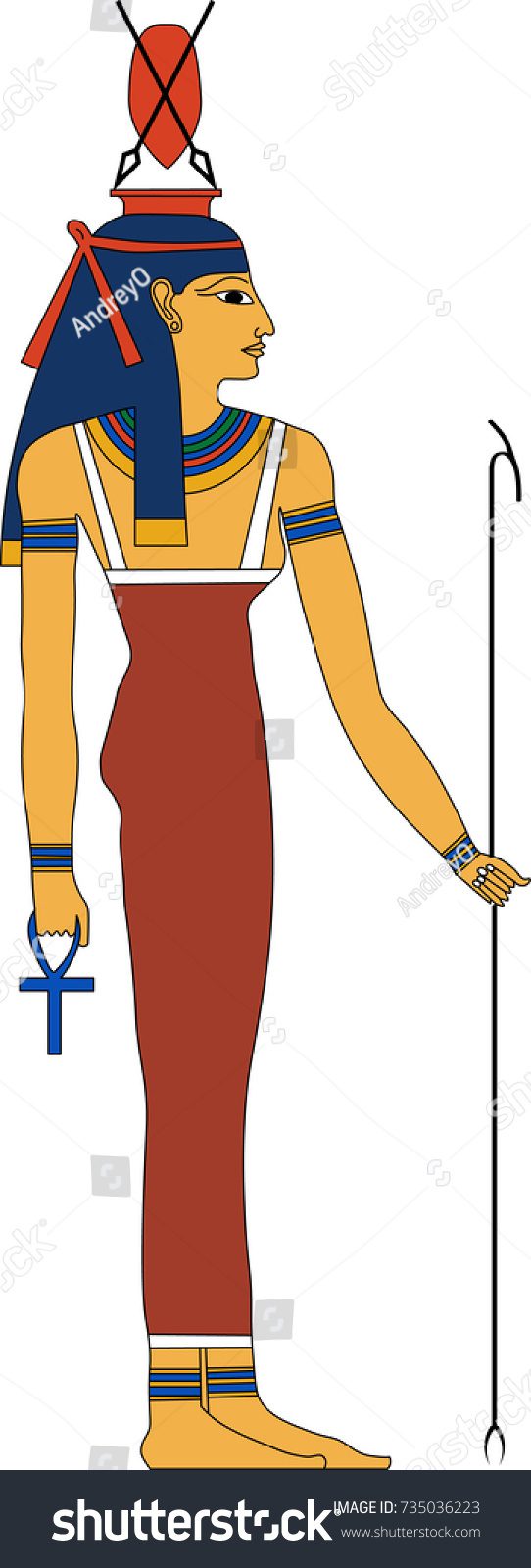
In Egyptian mythology, the concept of Hemsut is often associated with the goddess of fate and destiny. Hemsut plays a significant role in the ancient Egyptian belief system, where gods and goddesses were integral to the understanding of life and the universe. The ancient Egyptians believed that deities governed all aspects of existence, from the grand cycles of nature to the intimate details of individual lives. Hemsut, specifically, embodies the forces of fate that influence human lives, often represented in a manner that reflects the complexity of destiny itself.
Understanding Hemsut in Egyptian Mythology
Hemsut is often depicted as a female figure, which aligns with the traditional representation of many Egyptian deities. She is considered a personification of fate, emphasizing the belief that individual destinies are shaped by divine forces. The name Hemsut translates to “the one who binds,” indicating her role in tying the threads of fate together. This imagery is significant in Egyptian culture, where the weaving of fate is a recurring theme. The Egyptians often viewed life as a tapestry, woven together by the actions of the gods and the choices of individuals.
 Hemen
HemenHer presence in mythology suggests that while humans have free will, their lives are also intertwined with the divine will. This duality is essential in understanding the Egyptian worldview, where fate and free will coexist. The balance between these two concepts is crucial for maintaining harmony in the universe. Hemsut’s influence is evident in various myths and stories, where she is often invoked during critical life events, such as births, marriages, and even deaths.
The Role of Hemsut in Ancient Egyptian Society
In ancient Egyptian society, the understanding of fate was not merely a philosophical concept but a practical guide for daily life. Hemsut’s influence was reflected in various rituals and practices aimed at ensuring a favorable destiny. Egyptians believed that by honoring the gods, including Hemsut, they could secure a better fate for themselves and their families. This belief system permeated all levels of society, from the pharaohs to the common people.
- Rituals and Offerings: Egyptians performed rituals to appease Hemsut, often involving offerings of food, incense, and other valuable items.
- Prayers and Incantations: Specific prayers were dedicated to Hemsut, seeking her guidance and favor in personal endeavors.
- Festivals: Festivals honoring Hemsut provided opportunities for the community to come together, celebrating their shared beliefs and seeking collective blessings.
These practices illustrate the importance of Hemsut in the daily lives of the ancient Egyptians. The goddess served as a reminder of the power of fate and the need to respect the forces that govern it. Additionally, the rituals associated with Hemsut reinforced social cohesion, as communities gathered to seek divine favor together. This collective approach to spirituality fostered a sense of unity and shared purpose among the people.
 Heka
HekaSymbolism Associated with Hemsut
The symbolism surrounding Hemsut is rich and multifaceted, reflecting the complexity of her role as the goddess of fate. One of the most common symbols associated with her is the weaving loom, which represents the intricate process of creating destiny. Just as a weaver carefully chooses threads and patterns, Hemsut is believed to weave the fates of individuals based on their actions and choices. This symbolism emphasizes the interconnectedness of all lives and the idea that every decision can have far-reaching consequences.
Additionally, Hemsut is often depicted with two snakes or serpents, symbolizing the duality of fate—good and bad, fortune and misfortune. The presence of serpents in her iconography highlights the belief that fate is not a straightforward path but rather a complex journey filled with twists and turns. This duality is essential in understanding how ancient Egyptians viewed their lives; they believed that challenges and obstacles were part of the divine plan, shaping them into who they were meant to be.
 Heket
HeketMyths Involving Hemsut
Several myths and stories within Egyptian mythology feature Hemsut, illustrating her significance in the pantheon of gods and goddesses. One such myth involves the creation of humanity, where Hemsut is said to have played a crucial role in determining the destinies of the first humans. According to the myth, the gods gathered to discuss the fate of humanity, and Hemsut was tasked with weaving their destinies, ensuring that each person would have a unique path to follow.
Another notable myth involves the judgment of the dead. In this narrative, Hemsut is depicted as a guiding force for souls entering the afterlife. It was believed that she would weave the threads of their lives, determining their fate based on their actions during their earthly existence. This aspect of Hemsut’s role emphasizes the importance of moral choices and accountability, reinforcing the idea that one’s destiny is closely linked to their behavior and decisions.
Hemsut’s Influence on Personal Destiny
The influence of Hemsut extends beyond grand myths and rituals; it permeates the personal lives of individuals. Many ancient Egyptians believed that they could invoke Hemsut’s favor in their daily decisions and challenges. By seeking her guidance, they hoped to navigate the complexities of life with her divine insight. This belief created a sense of empowerment, as individuals felt that they could influence their destinies through their actions and prayers.
People often turned to Hemsut during significant life transitions, such as starting a new job, getting married, or moving to a new home. They would perform small rituals, such as lighting candles or offering flowers, as a way to seek her blessings. This practice illustrates the deep-rooted belief in the connection between personal actions and the divine, emphasizing that Hemsut was not just a distant deity but an active participant in their lives.
Comparative Analysis: Hemsut and Other Deities
To fully appreciate the significance of Hemsut, it is essential to compare her with other deities in Egyptian mythology. For instance, the goddess Ma’at represents truth, justice, and order, playing a crucial role in maintaining cosmic balance. While Ma’at focuses on moral integrity and societal order, Hemsut emphasizes the individual’s journey through fate. Both deities, however, highlight the importance of living a virtuous life, as this ultimately influences one’s destiny.
Another deity worth mentioning is Thoth, the god of wisdom and knowledge. Thoth is often associated with writing and the recording of events, while Hemsut embodies the unpredictability of fate. Thoth’s role is to provide guidance and knowledge, helping individuals make informed choices, whereas Hemsut weaves the outcomes of those choices into the fabric of destiny. Together, these deities represent different aspects of the human experience, illustrating the complexity of existence in ancient Egyptian thought.
Legacy of Hemsut in Modern Culture
Although Hemsut is not as widely recognized today as some other Egyptian deities, her influence persists in modern culture. Many contemporary spiritual practices draw inspiration from ancient Egyptian beliefs, including the concepts of fate and destiny. People often seek to understand their life paths through the lens of ancient wisdom, reflecting a continued interest in the teachings of the past.
Additionally, Hemsut’s symbolism of weaving and fate resonates with various artistic expressions. Artists and writers often explore themes of destiny, choice, and the interconnectedness of lives, echoing the lessons imparted by Hemsut. This legacy illustrates the timeless nature of her teachings, as they continue to inspire reflection on the human condition and the forces that shape our lives.
Conclusion: The Enduring Appeal of Hemsut
Hemsut stands as a powerful symbol of fate and destiny within Egyptian mythology. Her role as a weaver of lives underscores the complexity of existence, where choices and divine influence intertwine. The rituals, symbols, and myths associated with Hemsut reveal a deep understanding of the human experience, highlighting the importance of individual actions in shaping one’s destiny. As society continues to evolve, the teachings of Hemsut remain relevant, offering insights into the timeless questions of fate, free will, and the interconnectedness of all lives.