
In the rich tapestry of Egyptian mythology, few deities stand out as prominently as Heka. Often associated with magic, healing, and the mystical forces that govern the universe, Heka embodies the power of the divine and the connection between the gods and humanity. His name itself is derived from the ancient Egyptian word for magic, reflecting his essential role in the spiritual and practical aspects of life in ancient Egypt. Understanding Heka means delving into the intricate beliefs and practices that characterized one of the world’s oldest civilizations.
The Origin of Heka
The origins of Heka can be traced back to the very beginnings of ancient Egyptian religion. He is often considered a primordial deity, existing before the creation of the world. According to some ancient texts, Heka emerged from the chaos of the universe, symbolizing the magical forces that brought order to the cosmos. This idea is significant, as it highlights the ancient Egyptians’ belief in the importance of magic in maintaining balance and harmony in their lives.
 Heket
HeketIn Egyptian mythology, Heka is sometimes depicted as a man holding a staff and a snake, symbols of his magical prowess and authority. The snake represents the transformative power of magic, while the staff signifies his role as a protector and guide. Heka’s representation emphasizes his dual nature as both a healer and a warrior, capable of wielding magic for both creation and destruction. This duality is a recurring theme in many aspects of Egyptian mythology, reflecting the complex understanding of the forces that govern life.
Heka and Magic
Magic was an integral part of ancient Egyptian culture, and Heka was believed to be its source. The ancient Egyptians viewed magic not as mere superstition but as a powerful force that could influence the world around them. Heka was invoked in various rituals and ceremonies, often associated with healing, protection, and the afterlife. The Egyptians believed that through the proper invocation of Heka, they could harness magical energies to achieve their desires.
One of the most significant aspects of Heka’s magic was its application in healing. Ancient Egyptians practiced various forms of medicine, often blending herbal remedies with magical spells. Physicians would invoke Heka to enhance the effectiveness of their treatments, believing that the deity’s presence would aid in the healing process. This combination of magic and medicine reflects the holistic approach of the ancient Egyptians towards health and well-being.
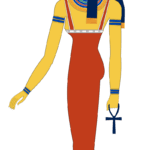 Hedetet
Types of Magic Associated with Heka
- Protective Magic: This type of magic was used to shield individuals from harm, often through amulets and spells.
- Healing Magic: Involved the use of spells and potions to cure ailments and diseases.
- Divination: Magic used to foresee the future or gain insight into problems.
- Creation Magic: Spells that could bring forth life or manifest desires.
Each of these types of magic played a crucial role in the daily lives of the ancient Egyptians. For instance, protective magic was essential for safeguarding against evil spirits and misfortune. Amulets bearing Heka’s name or symbols were commonly worn by individuals, especially children, to invoke his protection. Similarly, healing magic was deeply woven into the fabric of Egyptian medicine, with rituals often performed alongside physical treatments.
Heka in Religious Practices
Heka’s influence extended beyond individual practices to the broader religious landscape of ancient Egypt. Temples dedicated to Heka were places where priests and priestesses conducted rituals to honor the deity and seek his favor. These rituals often included offerings, prayers, and magical incantations designed to invoke Heka’s power. The priests acted as intermediaries between the people and the divine, ensuring that Heka’s magic was harnessed for the benefit of the community.
Festivals honoring Heka were also an essential part of the religious calendar. These celebrations often involved music, dance, and theatrical performances that depicted Heka’s role in creation and healing. The joyous atmosphere of these festivals reinforced the belief in Heka’s protective and benevolent nature. The communal aspect of these celebrations helped to strengthen the bonds between the people and their gods, fostering a sense of unity and shared purpose.
 Hauhet
Heka and the Afterlife
The ancient Egyptians held a profound belief in the afterlife, and Heka played a significant role in this aspect of their spirituality. They believed that Heka’s magic was essential for ensuring a safe passage to the afterlife. Funerary rituals often involved invoking Heka to protect the deceased from malevolent forces and to aid in their journey through the underworld. This belief in Heka’s role as a guide and protector in the afterlife underscores the importance of magic in the Egyptian understanding of death and rebirth.
In tomb paintings and inscriptions, Heka is often depicted alongside other deities associated with the afterlife, such as Osiris and Anubis. These representations illustrate the interconnectedness of various deities within the Egyptian pantheon, each contributing to the overarching theme of life, death, and resurrection. The presence of Heka in these contexts emphasizes the belief that magic was not only a tool for the living but also a vital force in the journey of the soul after death.
Symbolism of Heka
Heka’s symbolism is rich and multifaceted, reflecting the various aspects of his character and role in Egyptian mythology. One of the most prominent symbols associated with Heka is the ankh, which represents life and immortality. This symbol is often seen in conjunction with Heka, emphasizing his connection to the life-giving forces of magic. The ankh serves as a reminder of the cyclical nature of life and the belief in eternal existence.
Another important symbol linked to Heka is the was scepter, a symbol of power and dominion. The was scepter represents Heka’s authority over the magical forces that govern the universe. It is often depicted in the hands of deities, reinforcing the idea that magic is a divine gift that can be wielded for both protection and creation. These symbols not only represent Heka’s power but also serve as reminders of the importance of magic in the lives of the ancient Egyptians.
Heka in Art and Literature
The influence of Heka extends into the realms of art and literature, where he is often depicted in various forms. Ancient Egyptian artists created sculptures, reliefs, and paintings that showcased Heka’s significance in both religious and magical contexts. These artworks often feature Heka alongside other deities, highlighting his role within the broader pantheon. The artistic representations of Heka serve as a visual testament to the reverence the ancient Egyptians held for this powerful deity.
In literature, Heka is mentioned in various texts, including the Pyramid Texts and the Book of the Dead. These ancient writings provide insights into the rituals and beliefs surrounding Heka, detailing the ways in which he was invoked for protection and guidance. The literary references to Heka illustrate the enduring legacy of this deity in the spiritual practices of the ancient Egyptians, emphasizing his importance in their understanding of magic and the divine.
The Legacy of Heka
The legacy of Heka continues to resonate in modern times, as scholars and enthusiasts of Egyptian mythology explore the rich tapestry of beliefs and practices that defined this ancient civilization. Heka’s association with magic, healing, and the afterlife speaks to the universal human desire to understand and influence the forces that shape our lives. The enduring fascination with Heka and other deities of Egyptian mythology reflects the timeless appeal of these ancient stories and their relevance to contemporary spiritual practices.
In recent years, there has been a resurgence of interest in ancient Egyptian spirituality, with many people seeking to incorporate elements of these ancient beliefs into their own lives. Heka, as a symbol of magic and healing, has become a focal point for those exploring the intersection of spirituality and personal empowerment. This modern interpretation of Heka underscores the enduring nature of ancient beliefs and their capacity to inspire and guide individuals on their spiritual journeys.
Heka in Popular Culture
Heka’s influence is not limited to academic circles; he has also made his way into popular culture. References to Heka can be found in literature, films, and video games that draw inspiration from Egyptian mythology. These portrayals often emphasize his magical abilities and his role as a protector, capturing the imagination of audiences and bringing ancient beliefs to life in new and exciting ways.
In the realm of literature, authors have woven Heka into their narratives, often depicting him as a powerful figure capable of influencing the fate of characters. Films that explore themes of ancient Egypt frequently include references to Heka, showcasing his magical prowess and the reverence with which he was regarded by the ancient Egyptians. These representations contribute to the ongoing fascination with Egyptian mythology and its relevance in contemporary storytelling.
Through the lens of Heka, we gain a deeper understanding of the rich and complex world of Egyptian mythology. His role as a deity of magic, healing, and protection reflects the ancient Egyptians’ profound connection to the spiritual forces that governed their lives. As we continue to explore the legacy of Heka, we are reminded of the enduring power of myth and its ability to inspire and guide us in our own lives.