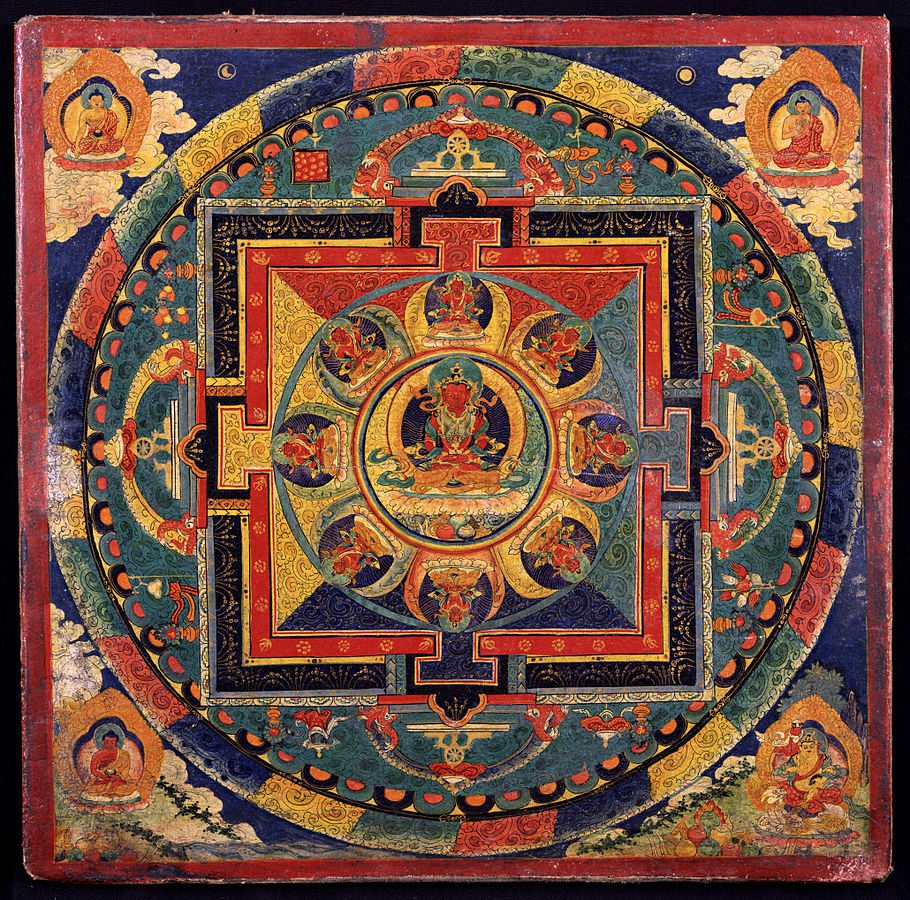
Mandala is a fascinating and intricate concept deeply rooted in Buddhist mythology. It serves as a spiritual and artistic representation that symbolizes the universe. The term “mandala” comes from the ancient Indian language of Sanskrit, meaning “circle.” In Buddhist tradition, mandalas are used for various purposes, including meditation, rituals, and as a means of understanding the cosmos. They are often seen as tools for spiritual growth, helping practitioners connect with their inner selves and the universe around them.
The Structure of a Mandala
A mandala typically consists of a series of concentric circles and geometric shapes. These designs are not random; they are carefully constructed to convey specific meanings. The outer circle often represents the physical world, while the inner circle symbolizes the spiritual realm. The central point of the mandala is crucial, as it represents the origin of creation and the source of energy. Each element in a mandala is meticulously placed to reflect a balance of harmony and order.
 Maitreya
In addition to circles, mandalas may incorporate various symbols and colors. Each color holds significant meaning in Buddhist culture. For example, red symbolizes passion and strength, while blue represents calmness and tranquility. The use of different shapes, such as squares and triangles, can also convey different aspects of spiritual teachings. This intricate structure serves as a visual aid for meditation, allowing practitioners to focus their thoughts and energies.
Types of Mandalas
There are several types of mandalas, each serving unique purposes within the Buddhist tradition. One of the most common forms is the sand mandala. Created using colored sand, these mandalas are often constructed over several days or weeks by skilled monks. Once completed, the sand mandala is destroyed in a ritualistic manner to symbolize the impermanence of life. This practice teaches the value of letting go and the transient nature of existence.
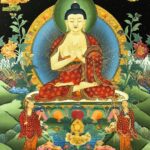 Vairocana
Another type is the painted mandala, which can be found in various forms of Buddhist art. These mandalas are often used in temples and as visual aids during meditation. They serve as a reminder of the teachings of the Buddha and the path to enlightenment. Additionally, there are personal mandalas, which individuals create for their own meditation practices. These can be made from drawings, paintings, or even digital art, reflecting the creator’s personal journey and understanding of the universe.
The Role of Mandalas in Meditation
Mandalas play a significant role in meditation practices. They provide a focal point for practitioners, helping to quiet the mind and deepen concentration. When meditating on a mandala, individuals can enter a state of mindfulness, allowing them to explore their thoughts and emotions more freely. The intricate designs of the mandala can evoke feelings of peace and tranquility, making it an ideal tool for those seeking spiritual growth.
During meditation, practitioners may visualize the mandala in their mind’s eye or use a physical representation in front of them. This practice can enhance the meditation experience, providing a sense of connection to the teachings of Buddhism. By focusing on the mandala, individuals can gain insights into their own lives and the universe, leading to a greater understanding of their spiritual path.
 Zaō Gongen
Mandalas in Rituals and Ceremonies
Mandalas are not only used in meditation but also play a vital role in various rituals and ceremonies within the Buddhist tradition. They can be found in religious practices, such as the creation of sand mandalas during important ceremonies. These rituals often involve chanting, offerings, and prayers, all aimed at invoking blessings and spiritual energy. The process of creating a sand mandala is seen as a form of meditation in itself, as monks focus their intentions and energies into the artwork.
In addition to sand mandalas, other forms are used in ceremonies, such as the Kalachakra Mandala. This mandala is associated with the teachings of the Kalachakra Tantra, which emphasizes the importance of time and the cycles of life. The Kalachakra Mandala is often used during initiation ceremonies, where practitioners receive teachings and blessings from a qualified teacher. This type of mandala serves as a visual representation of the interconnectedness of all beings and the universe.
The Cultural Significance of Mandalas
Mandalas hold deep cultural significance beyond their spiritual meanings. They are often seen as a bridge between the material and spiritual worlds, connecting practitioners to their heritage and traditions. In many cultures, mandalas are used in art and architecture, influencing designs in temples and sacred spaces. This cultural aspect enhances the appreciation of mandalas as symbols of unity and harmony.
Furthermore, the practice of creating mandalas has transcended Buddhist culture and has been embraced by people worldwide. Artists and practitioners from various backgrounds have adopted the mandala as a form of expression and healing. This cross-cultural appreciation highlights the universal themes of balance, harmony, and the quest for inner peace that mandalas represent.
Mandalas and Mental Health
In recent years, the therapeutic benefits of mandalas have gained recognition in the field of mental health. Art therapy often incorporates mandalas as a means of self-expression and healing. Creating or coloring mandalas can be a meditative practice that reduces stress and anxiety. The repetitive patterns and vibrant colors can have a calming effect on the mind, allowing individuals to find a sense of peace and tranquility.
Additionally, engaging with mandalas can foster creativity and self-discovery. Many people find that working with mandalas helps them to explore their emotions and thoughts more deeply. This process can lead to greater self-awareness and personal growth, making mandalas a valuable tool in therapeutic settings. The act of creating or meditating on a mandala can provide individuals with a sense of accomplishment and fulfillment.
Creating Your Own Mandala
Creating your own mandala can be a rewarding and enriching experience. It allows individuals to express their unique perspectives and spiritual journeys. To begin, one can gather materials such as paper, colored pencils, or paints. The process can start with drawing a simple circle, which serves as the foundation of the mandala. From there, practitioners can add shapes, patterns, and colors that resonate with them.
When creating a mandala, it is essential to approach the process with an open mind and heart. The goal is not to produce a perfect piece of art but rather to explore one’s creativity and emotions. As you work on your mandala, focus on your breath and allow your thoughts to flow freely. This practice can be a form of meditation, providing a space for reflection and self-discovery.
Mandalas in Modern Society
In today’s fast-paced world, mandalas have found their way into various aspects of modern life. They are commonly used in art, design, and wellness practices. Many people turn to mandalas for relaxation and stress relief, utilizing coloring books that feature intricate mandala designs. This trend has made mandalas accessible to a broader audience, allowing individuals to experience the benefits of mandalas without needing extensive knowledge of Buddhist practices.
Moreover, mandalas are increasingly being incorporated into yoga and mindfulness practices. Many yoga classes now include the use of mandalas as a visual aid during meditation and relaxation. This integration emphasizes the importance of balance and harmony in both physical and spiritual practices. As more people discover the benefits of mandalas, they continue to gain popularity as tools for personal growth and well-being.
The Future of Mandalas
As the world continues to evolve, the significance of mandalas remains strong. Their ability to bridge cultural and spiritual divides makes them a timeless symbol of unity and harmony. In the future, we may see even more diverse interpretations of mandalas as they continue to inspire artists, practitioners, and individuals seeking personal growth. The adaptability of mandalas ensures that they will remain relevant in various contexts, from art to therapy and beyond.
Additionally, as mental health awareness grows, the therapeutic applications of mandalas are likely to expand. More professionals may integrate mandalas into their practices, recognizing their potential to promote healing and self-exploration. The future of mandalas is bright, as they continue to serve as a source of inspiration, reflection, and connection for people around the globe.