
In Hindu mythology, the term Taraka holds significant importance and is associated with various narratives and themes. Taraka is often depicted as a powerful demon, known for his formidable strength and magical abilities. He plays a central role in many stories, particularly in relation to the gods and their struggles against evil forces. Understanding the character of Taraka requires delving into the rich tapestry of Hindu myths, where gods and demons frequently engage in epic battles. These stories not only entertain but also convey moral lessons and spiritual truths.
The Birth of Taraka
The origins of Taraka are steeped in mythology. According to various texts, Taraka was born to the sage Tarakaksha and his wife. His birth was marked by a prophecy that he would bring great destruction and chaos to the world. This prophecy set the stage for his eventual conflict with the gods. As he grew, Taraka exhibited extraordinary strength and magical prowess, which he used to terrorize the heavens. His rise to power challenged the authority of the gods, particularly Brahma and Shiva.
 Surya
SuryaIn his quest for power, Taraka engaged in severe penance, seeking the favor of the gods. His determination paid off when he received a boon from Brahma. The boon granted him invincibility against all beings except for the son of Shiva. This boon made Taraka nearly unstoppable, leading him to wreak havoc across the three worlds—heaven, earth, and the underworld. His tyranny brought fear to the hearts of both gods and mortals, showcasing the dangerous implications of unchecked power.
The Conflict with the Gods
As Taraka’s power grew, so did the desperation of the gods. They realized that the only way to end his reign of terror was to find a way to defeat him. The gods convened a council, where they discussed various strategies. They understood that the only one who could defeat Taraka was the son of Shiva, but there was a significant obstacle: Shiva was in deep meditation and had no intention of marrying or having children. This dilemma set the stage for a series of events that would change the course of the battle between good and evil.
In their quest for a solution, the gods approached Parvati, the daughter of the mountain king Himalaya. She had been in love with Shiva and was determined to win his heart. The gods encouraged her to perform severe penance to attract Shiva‘s attention. Parvati’s dedication and strength eventually moved Shiva, who awakened from his meditation and accepted her as his wife. This union was not just a personal victory for Parvati; it was also a pivotal moment in the battle against Taraka.
 Sumitrâ
The Birth of Kartikeya
Once Shiva and Parvati were united, they were blessed with a son named Kartikeya, also known as Skanda or Murugan. His birth was significant because he was destined to be the warrior who would defeat Taraka. Kartikeya was born with divine attributes and extraordinary skills in warfare. He was raised by the six Krittikas (Pleiades) and trained in the arts of battle, ensuring he would be well-prepared for the impending conflict.
Kartikeya’s childhood was filled with adventures and training. He quickly became known for his bravery and wisdom, making him the ideal candidate to take on Taraka. As he matured, he developed a deep understanding of strategy and warfare, which would prove essential in the battle against the demon. The narrative of Kartikeya’s growth and preparation for battle serves as an inspiration, emphasizing the importance of discipline and perseverance in achieving one’s goals.
The Epic Battle
The day of reckoning finally arrived when Kartikeya confronted Taraka. The battle was fierce and marked by incredible displays of strength and magic from both sides. Taraka, confident in his powers, unleashed devastating attacks, creating chaos and destruction. However, Kartikeya, armed with divine weapons and guided by his mother’s blessings, matched Taraka’s ferocity. The clash between good and evil unfolded in a spectacular fashion, drawing the attention of gods and mortals alike.
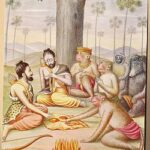 Sugrîva
During the battle, Kartikeya showcased not only his physical strength but also his strategic mind. He employed clever tactics to outsmart Taraka, turning the tide in favor of the gods. As the fight progressed, Kartikeya’s determination and skill shone through, ultimately leading to a decisive moment. With a powerful blow, he defeated Taraka, fulfilling the prophecy that had haunted the demon since his birth. This victory was celebrated across the heavens and marked a significant triumph of good over evil.
The Aftermath of Taraka’s Defeat
The defeat of Taraka had far-reaching consequences. With his demise, peace was restored to the three worlds, and the gods rejoiced in their victory. Kartikeya was hailed as a hero and became the commander of the celestial army. His victory symbolized the importance of righteousness and the eternal struggle between good and evil. This event also reinforced the belief that divine intervention is essential in overcoming darkness and chaos.
Following Taraka’s defeat, the demons who had once feared him were left in disarray. Many of them surrendered, realizing that their leader was no longer a threat. This led to a significant shift in power dynamics among the celestial beings. The gods took this opportunity to restore order and ensure that such chaos would not arise again. The narrative of Taraka serves as a reminder of the cyclical nature of good and evil, where darkness may rise, but it can ultimately be vanquished through courage and divine support.
Symbolism of Taraka in Hindu Mythology
Taraka is not merely a character in Hindu mythology; he embodies various themes and lessons that resonate with audiences. His story illustrates the dangers of unchecked ambition and power. Taraka’s quest for invincibility led to his downfall, highlighting the idea that no one can escape the consequences of their actions. This moral lesson is essential in understanding the balance of power and the importance of humility.
Moreover, Taraka’s defeat symbolizes the triumph of good over evil. It reflects the belief that even the most formidable adversaries can be overcome with determination, strategy, and divine grace. The story of Kartikeya defeating Taraka inspires individuals to face their own challenges with courage and resilience. It encourages the idea that everyone has the potential to rise against adversity and emerge victorious, regardless of the odds stacked against them.
The Legacy of Taraka
The legacy of Taraka extends beyond his defeat. He is often referenced in various texts and discussions related to Hindu mythology. His character serves as a cautionary tale about the consequences of pride and the importance of seeking balance in one’s life. The stories surrounding Taraka continue to be shared, reminding people of the timeless lessons embedded in these ancient narratives.
Additionally, Taraka’s story has inspired various art forms, including dance, theater, and literature. His character is often depicted in traditional performances, where the battle between Kartikeya and Taraka is dramatized. These artistic expressions keep the legend alive, allowing new generations to connect with the rich cultural heritage of Hindu mythology. Through these mediums, the essence of Taraka’s story and its moral implications continue to resonate with audiences worldwide.
Taraka’s narrative is a vital part of Hindu mythology, encapsulating themes of power, ambition, and the eternal struggle between good and evil. His story, intertwined with the divine journey of Kartikeya, offers profound insights into the nature of existence and the importance of righteousness. As we explore the various dimensions of Taraka’s character and his legacy, we gain a deeper appreciation for the rich tapestry of Hindu mythology and the lessons it imparts.