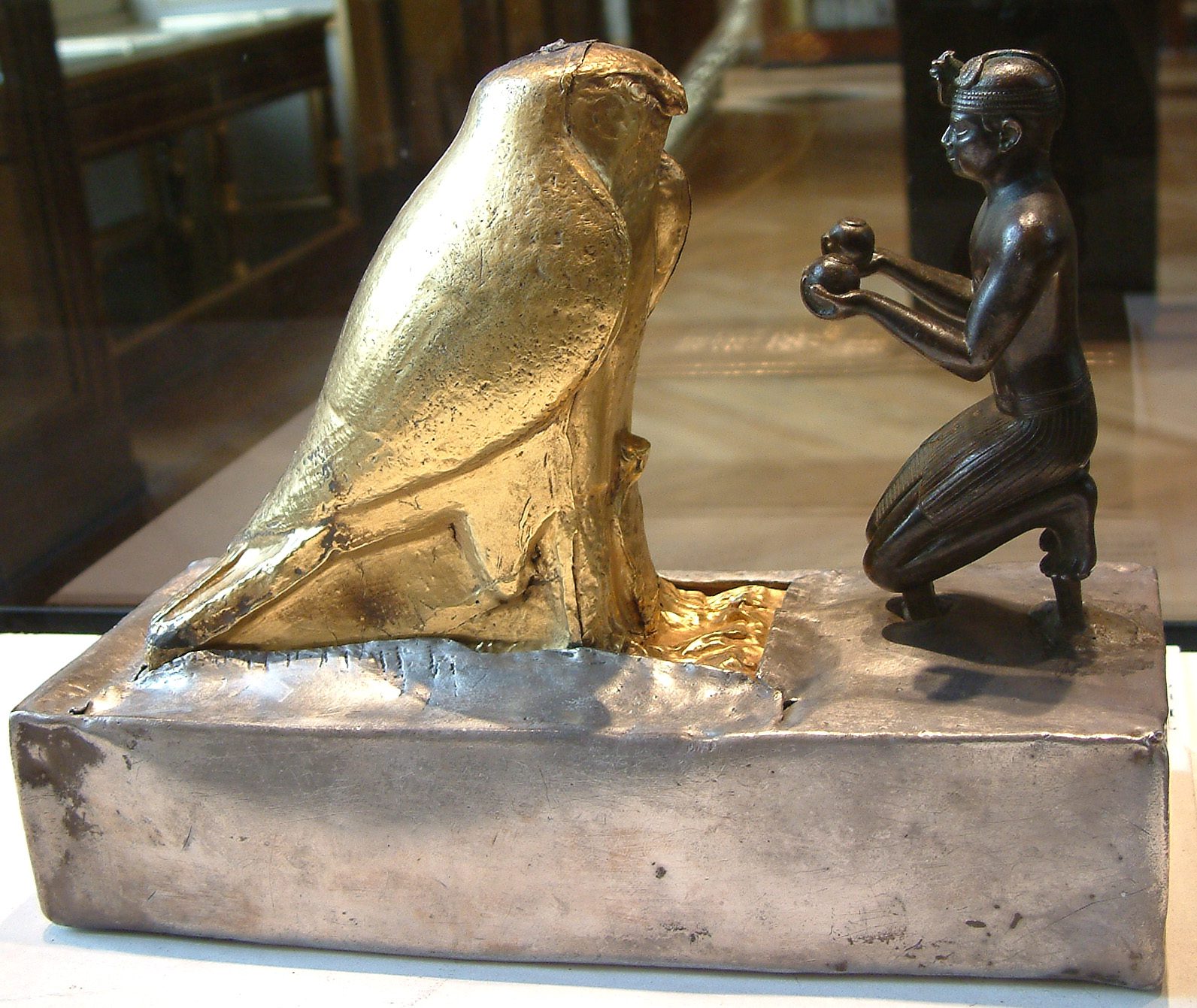
In ancient Egyptian mythology, Hemen holds a unique and intriguing position. He is often associated with the sun and fertility, representing a blend of various deities and concepts. Hemen is not as widely known as other Egyptian gods, yet his significance in religious practices and rituals cannot be overlooked. He is primarily recognized as a god of fertility, particularly in the context of agriculture and the abundance of crops. This article delves into the various aspects of Hemen, exploring his origins, representations, and the impact he had on ancient Egyptian culture.
Origins of Hemen
The origins of Hemen are somewhat obscure, which is common with many deities in ancient Egyptian mythology. He is believed to have emerged during the Middle Kingdom period, around 2055-1650 BCE. During this time, the worship of various gods began to evolve, and Hemen became associated with the sun god Ra. The name “Hemen” is thought to derive from the ancient Egyptian word for “to be strong,” which aligns with his associations with strength and fertility.
 Heka
HekaHemen is often linked to the god Min, another deity associated with fertility and agriculture. Min is depicted as a man with an erect phallus, symbolizing fertility and virility. Hemen’s connection to Min suggests that he may have been a regional variant or an aspect of Min, reflecting the diverse nature of Egyptian worship. Over time, Hemen became integrated into the broader pantheon of Egyptian gods, contributing to the rich tapestry of mythology that characterized ancient Egypt.
Representation of Hemen
In terms of visual representation, Hemen is often depicted in a variety of forms. He is sometimes shown as a man with a feather on his head, which symbolizes truth and justice. The feather is also associated with Ma’at, the goddess of truth, indicating Hemen’s role in maintaining balance in nature. Additionally, Hemen can be represented holding a sistrum, a musical instrument that was often associated with fertility rituals and celebrations.
Another common representation of Hemen is as a fertility god who is connected to the annual flooding of the Nile River. This flooding was crucial for agriculture, as it deposited nutrient-rich silt on the land, allowing crops to thrive. Hemen’s association with the Nile highlights the importance of water and fertility in Egyptian culture. The ancient Egyptians believed that Hemen played a significant role in ensuring the fertility of the land, which was vital for their survival and prosperity.
 Heket
HeketHemen and Agricultural Practices
Agriculture was the backbone of ancient Egyptian society, and Hemen’s influence on this aspect of life was profound. Farmers would invoke Hemen’s blessings during the planting and harvesting seasons, hoping for a bountiful yield. Rituals and offerings were made to Hemen to ensure that the crops would flourish and that the people would have enough food to sustain themselves. This practice reflects the deep connection between religion and daily life in ancient Egypt.
During the annual flooding of the Nile, farmers would prepare their fields to receive the floodwaters. This event was seen as a gift from Hemen, and many rituals were conducted to honor him. The timing of planting and harvesting was carefully observed, as it was believed that Hemen’s favor could directly impact the success of the crops. The ancient Egyptians understood the importance of aligning their agricultural practices with the rhythms of nature, and Hemen played a crucial role in this process.
 Hedetet
Hemen’s Cult and Worship
The worship of Hemen was primarily localized, with specific regions in Egypt having their own rituals and practices dedicated to him. Temples and shrines were built in his honor, where priests conducted ceremonies to invoke his blessings. These rituals often included offerings of food, incense, and other items deemed pleasing to the gods. The priests would also perform music and dance, celebrating Hemen’s association with fertility and abundance.
In addition to agricultural rituals, Hemen was also worshipped during festivals that celebrated the changing seasons. These festivals were important social events that brought communities together, fostering a sense of unity and shared purpose. During these celebrations, people would express their gratitude to Hemen for the blessings of the past year and seek his favor for the year to come. The communal aspect of Hemen’s worship highlights the interconnectedness of religion, agriculture, and social life in ancient Egypt.
Hemen in Myths and Legends
While Hemen may not be as prominent in myths and legends as other Egyptian gods, he does appear in various stories that emphasize his role in fertility and abundance. One such myth involves Hemen’s relationship with the goddess Hathor, who is also associated with fertility and motherhood. In this narrative, Hemen and Hathor work together to ensure the fertility of the land and the prosperity of the people. Their partnership symbolizes the balance between male and female energies in the natural world.
Another important aspect of Hemen’s mythology is his connection to the cycle of life and death. In ancient Egyptian belief, the annual flooding of the Nile represented a cycle of death and rebirth. Hemen’s role in this cycle reinforces the idea that fertility is not only about the physical act of reproduction but also about the renewal of life itself. This connection to life and death is a common theme in Egyptian mythology, reflecting the culture’s deep reverence for the natural world and its cycles.
Modern Interpretations of Hemen
In modern times, Hemen’s significance in ancient Egyptian mythology has gained renewed interest among scholars and enthusiasts of mythology. His role as a fertility god resonates with contemporary discussions about agriculture, sustainability, and the importance of nurturing the earth. As society becomes increasingly aware of environmental issues, the lessons from ancient cultures, including those related to Hemen, offer valuable insights into the relationship between humans and the natural world.
Additionally, the revival of interest in ancient Egyptian spirituality has led to a resurgence in the worship of various deities, including Hemen. Modern practitioners of Egyptian spirituality often seek to connect with the energies of the gods and goddesses, incorporating rituals and practices that honor their ancient traditions. Hemen’s association with fertility and abundance makes him a relevant figure for those looking to cultivate prosperity and harmony in their lives.
Hemen is a fascinating figure within the rich tapestry of ancient Egyptian mythology. His associations with fertility, agriculture, and the natural world highlight the deep connections that ancient Egyptians had with their environment. Through rituals, worship, and mythology, Hemen played a vital role in the lives of the people, ensuring the prosperity of their land and the abundance of their crops. As we continue to explore and understand the significance of ancient deities like Hemen, we gain valuable insights into the beliefs and practices that shaped one of history’s most remarkable civilizations.