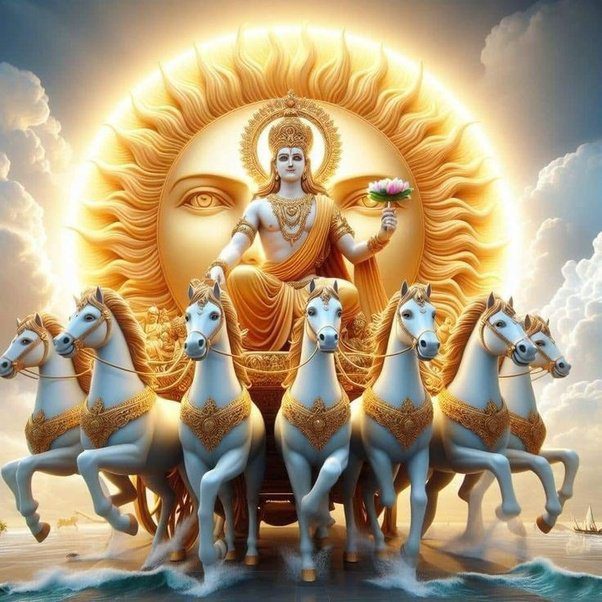
In Hindu mythology, Surya is revered as the sun god and is an important figure in various texts and stories. He represents light, warmth, and energy, playing a crucial role in sustaining life on Earth. Surya is often depicted as a radiant figure, riding a chariot pulled by seven horses across the sky. This imagery symbolizes the daily journey of the sun from dawn to dusk. The worship of Surya is deeply embedded in Hindu culture, and many rituals and festivals are dedicated to him. His significance extends beyond mere solar representation, embodying various aspects of life, health, and prosperity.
Surya in Hindu Texts
Surya is mentioned in several ancient Hindu texts, including the Vedas, Upanishads, and Puranas. In the Rigveda, one of the oldest religious texts, Surya is referred to as the source of light and is invoked for health and prosperity. The Mahabharata also contains numerous references to Surya, highlighting his divine qualities and the importance of sun worship. Additionally, the Bhagavad Gita speaks of the sun as a representation of the Supreme Being, emphasizing the connection between the divine and the natural world. Through these texts, Surya is portrayed as a powerful deity who influences various aspects of life.
 Sumitrâ
The Surya Siddhanta, an ancient astronomical text, further illustrates the significance of Surya in Hindu cosmology. This text provides detailed calculations regarding the movements of celestial bodies, including the sun. It establishes the foundation for understanding time and the calendar system in Hindu culture. The text’s emphasis on the sun reflects the importance of Surya in not only spiritual practices but also in the practical aspects of daily life. Understanding the cycles of the sun is essential for agriculture, festivals, and rituals.
Iconography of Surya
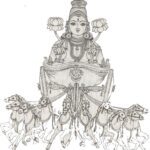
The iconography of Surya is rich and varied, depicting him in numerous forms across different regions of India. He is commonly shown with a golden complexion, representing the sun’s rays. In most depictions, he rides a chariot drawn by seven horses, which symbolize the seven days of the week. The chariot is often described as being pulled by the horses at a rapid pace, illustrating the swift passage of time. Surya is also depicted holding a lotus in one hand and making a gesture of blessing with the other. This imagery signifies purity and the bestowal of prosperity and good fortune.
In addition to his chariot, Surya is frequently associated with various symbols. For example, the lotus represents spiritual enlightenment, while the wheel symbolizes the cycle of life and death. His presence is often complemented by the Rudraksha beads, which are believed to enhance meditation and spiritual practices. Surya’s iconography serves as a reminder of his divine qualities and the power of the sun, emphasizing his role as a source of light and energy in the universe.
 Sugrîva
Worship and Festivals
The worship of Surya is an integral part of Hindu religious practices. One of the most significant rituals dedicated to Surya is the Surya Namaskar, or Sun Salutation, a sequence of yoga poses performed in honor of the sun. This practice not only pays homage to Surya but also promotes physical health and well-being. Many devotees perform Surya Namaskar at dawn, expressing gratitude for the new day and the energy that the sun provides. This ritual embodies the connection between physical activity and spiritual devotion.
Another important festival dedicated to Surya is Chhath Puja, celebrated primarily in the Indian states of Bihar and Uttar Pradesh. This festival involves elaborate rituals performed over four days, during which devotees offer prayers and food to the setting and rising sun. The significance of Chhath Puja lies in its emphasis on environmental consciousness and gratitude for the sun’s life-giving energy. It serves as a reminder of the sun’s essential role in agriculture and sustenance, fostering a deep appreciation for nature.
Surya and Health
Surya is often associated with health and vitality in Hindu mythology. The sun is considered a source of life-giving energy, and its rays are believed to have therapeutic properties. Many traditional healing practices in India, such as Ayurveda, emphasize the importance of sunlight for physical and mental well-being. Sun exposure is thought to enhance mood, boost immunity, and improve overall health. As a result, many rituals involve sun worship to invoke blessings for good health and longevity.
 Soma
SomaIn Ayurveda, Surya is linked to the Pitta dosha, which represents fire and transformation. Individuals with a dominant Pitta dosha are encouraged to harness the sun’s energy to balance their health. Sunlight is also believed to aid in the synthesis of vitamin D, which is essential for bone health and immune function. Thus, Surya’s influence extends beyond spirituality, affecting the physical well-being of individuals and communities.
Surya in Art and Culture
Surya’s representation in art and culture is vast and diverse. Throughout history, artists have depicted Surya in various forms, from ancient sculptures to modern paintings. Temples dedicated to Surya, such as the famous Sun Temple in Konark, Odisha, showcase intricate carvings and sculptures that celebrate his divine presence. These temples are not only architectural marvels but also serve as centers of worship and cultural heritage.
In addition to temple art, Surya has also influenced literature and poetry. Many poets have composed verses praising the sun and its significance in daily life. The imagery of Surya often symbolizes hope, renewal, and the cyclical nature of existence. This cultural representation of Surya reinforces the idea that the sun is not just a celestial body but a vital force that inspires creativity and spirituality.
Surya in Modern Context
In contemporary society, the worship of Surya continues to hold significance for many Hindus. Despite modernization, traditional practices and festivals dedicated to Surya remain popular. People still perform rituals and prayers, especially during significant events like Chhath Puja. Additionally, the principles of yoga and meditation, which often include the veneration of Surya, have gained global recognition, promoting physical and mental well-being.
Moreover, the ecological awareness surrounding the importance of sunlight and renewable energy sources aligns with Surya’s symbolism. As society becomes more conscious of environmental issues, the reverence for the sun as a source of energy is increasingly relevant. This connection highlights the enduring significance of Surya in both spiritual and practical contexts, reminding us of our reliance on natural elements for sustenance and growth.
Surya’s multifaceted role in Hindu mythology encompasses various aspects of life, spirituality, and health. From ancient texts to modern practices, the sun god remains a symbol of energy, vitality, and hope. His worship reflects a deep appreciation for the natural world and the cycles of life. As we continue to explore the significance of Surya, we can recognize the importance of this divine figure in fostering a harmonious relationship between humanity and nature.