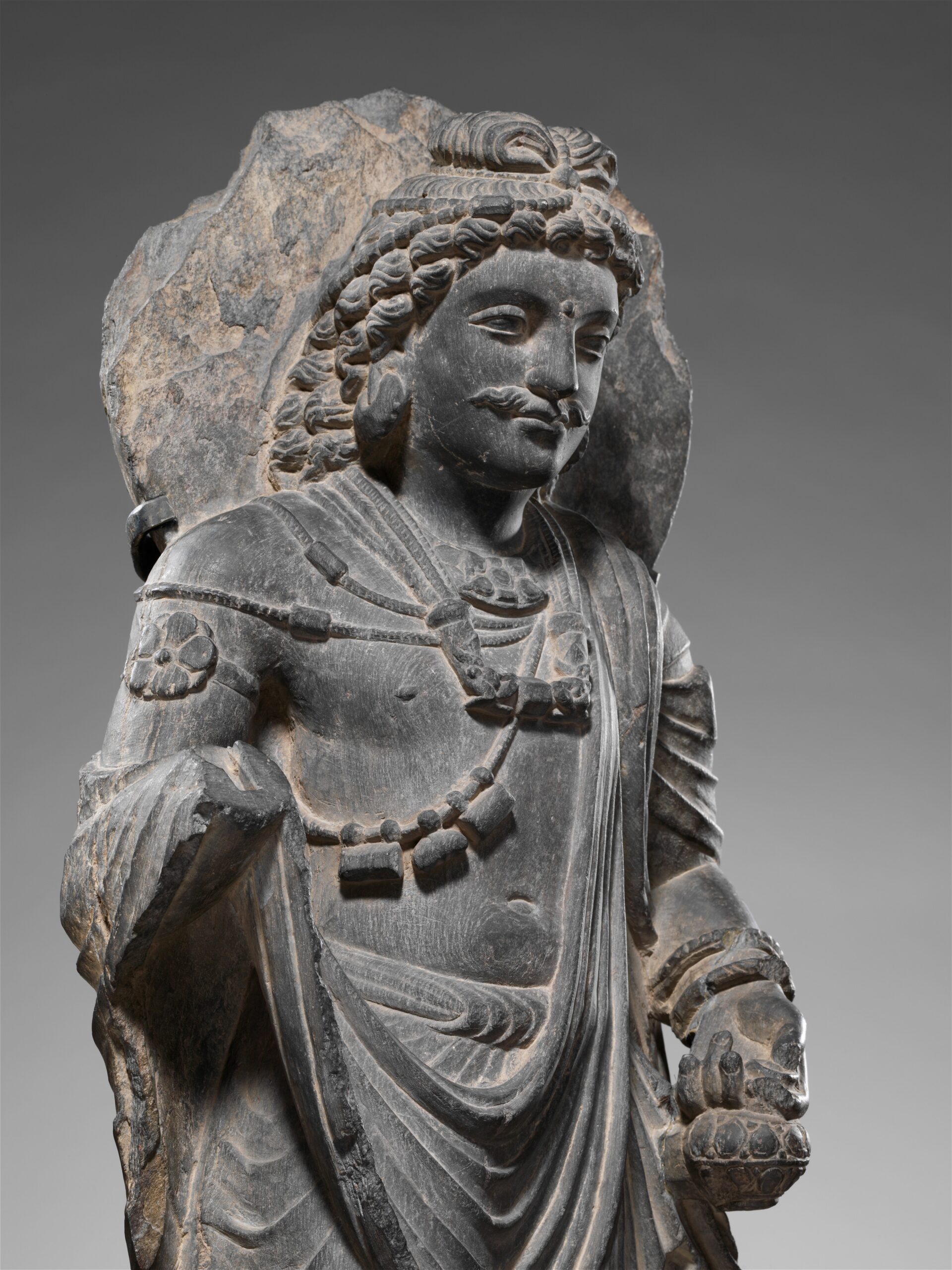
Maitreya is a significant figure in Buddhist mythology, often regarded as the future Buddha who will bring a new era of peace and enlightenment to the world. In Buddhist teachings, Maitreya is believed to be the successor to the historical Buddha, Siddhartha Gautama, also known as Shakyamuni. The concept of Maitreya embodies hope and the promise of a better future, resonating deeply with many followers of Buddhism. His arrival is anticipated in a time when the teachings of the Buddha have faded and when the world is in need of spiritual guidance. Maitreya’s role as the future Buddha highlights the cyclical nature of existence in Buddhist philosophy, where enlightenment and wisdom are continually sought and achieved across various lifetimes.
The Origins of Maitreya in Buddhist Texts
The origins of Maitreya can be traced back to ancient Buddhist texts, where he is mentioned as a celestial being who resides in the Tushita heaven. According to traditional teachings, Maitreya has been waiting there, observing the world, and preparing for his future role as the next Buddha. This notion is derived from the Pali Canon and various Mahayana texts, which describe Maitreya as a compassionate figure who embodies the qualities of love, kindness, and wisdom. The name “Maitreya” itself comes from the Sanskrit word “maitrī,” which means “loving-kindness.” This emphasizes the fundamental qualities that Maitreya represents and the ideals he will bring when he descends to Earth.
 Vairocana
In the Lotus Sutra, one of the most revered texts in Mahayana Buddhism, Maitreya is depicted as a bodhisattva who has made a vow to help all beings achieve enlightenment. His teachings will be crucial for guiding humanity through times of turmoil and confusion. Additionally, the Visuddhimagga, a key text in Theravada Buddhism, mentions Maitreya’s arrival and the conditions of the world at that time. These texts contribute to a rich tapestry of beliefs and expectations surrounding Maitreya, illustrating his importance in the broader context of Buddhist teachings.
Maitreya’s Characteristics and Symbolism
Maitreya is often depicted in various forms of art and iconography, reflecting his benevolent nature and the qualities he embodies. He is typically shown as a smiling figure, exuding warmth and compassion. In many representations, Maitreya is seated on a throne, symbolizing his status as the future Buddha. His posture is often relaxed, indicating his readiness to embrace all beings with love and understanding. Additionally, Maitreya is sometimes portrayed holding a stupa or a lotus flower, which are symbols of enlightenment and purity in Buddhist culture.
In some cultures, Maitreya is depicted as a jovial monk, often seen with a large belly and a cheerful expression. This image serves to remind followers that happiness and contentment can be found in the practice of Buddhism. The joyful nature of Maitreya resonates with the teachings of Buddhism, which emphasize the importance of cultivating joy and compassion in daily life. The symbolism surrounding Maitreya invites practitioners to look forward to a future filled with hope and spiritual fulfillment.
 Zaō Gongen
The Prophecies of Maitreya’s Coming
According to various Buddhist traditions, there are numerous prophecies regarding the coming of Maitreya. These prophecies outline the conditions that will precede his arrival, as well as the transformative impact he will have on the world. In many texts, it is stated that Maitreya will come at a time when the teachings of the Buddha are nearly forgotten, and moral decay is rampant among humanity. This period is often described as one of great suffering and confusion, where people have lost their way and are in dire need of guidance.
- The decline of moral values and ethical conduct among people.
- A time of chaos and conflict, where compassion is scarce.
- The fading of the original teachings of the Buddha.
When Maitreya finally arrives, he is expected to restore the teachings of the Buddha and reestablish a path to enlightenment. He will guide beings through his wisdom, helping them to cultivate the qualities of compassion and loving-kindness. The prophecies also suggest that Maitreya will teach a new Dharma, which will be more suited to the needs of humanity at that time. This new teaching is believed to resonate deeply with those who seek spiritual fulfillment and understanding.
The Role of Maitreya in Different Buddhist Traditions
Maitreya’s significance varies across different Buddhist traditions, with distinct interpretations and teachings surrounding his character. In Mahayana Buddhism, Maitreya is often seen as a bodhisattva who embodies the essence of compassion and altruism. Followers of Mahayana believe that he is already active in the world, inspiring others to pursue the path of enlightenment. His teachings emphasize the interconnectedness of all beings and the importance of helping others on their spiritual journeys.
 Kongo
KongoIn contrast, Theravada Buddhism places a greater emphasis on the historical Buddha, Siddhartha Gautama, and his teachings. While Maitreya is acknowledged, the focus remains on personal enlightenment through the Four Noble Truths and the Eightfold Path. In this tradition, Maitreya is viewed more as a future figure rather than an active presence in the current spiritual landscape. Nonetheless, both traditions recognize Maitreya’s potential to bring hope and renewal to the world.
Maitreya in Contemporary Buddhism
In modern times, the figure of Maitreya continues to inspire millions of Buddhists around the world. His teachings and the prophecies surrounding his arrival resonate with those who seek a sense of hope and direction in a rapidly changing world. Many contemporary practitioners find solace in the idea that a future Buddha will come to guide humanity toward enlightenment. This anticipation can serve as a source of motivation for individuals striving to embody the principles of compassion and loving-kindness in their daily lives.
Various organizations and communities have emerged that focus on the teachings of Maitreya, promoting the values of love and understanding. These groups often engage in social service, humanitarian efforts, and interfaith dialogues to foster a spirit of cooperation and compassion among diverse communities. By embodying the qualities associated with Maitreya, practitioners aim to create a more harmonious world, reflecting the ideals that he represents.
Maitreya in Popular Culture
The influence of Maitreya extends beyond traditional religious contexts and has found its way into popular culture. Various forms of art, literature, and media have depicted Maitreya as a symbol of hope and renewal. His image often appears in paintings, sculptures, and even modern literature, showcasing the enduring appeal of his character. Many artists draw inspiration from Maitreya’s qualities, portraying him as a figure of joy and compassion that transcends cultural boundaries.
Additionally, Maitreya has become a subject of interest in the context of spirituality and personal growth. Many self-help and wellness movements reference Maitreya as a source of inspiration for cultivating a positive mindset and fostering loving relationships. This modern interpretation of Maitreya aligns with the core teachings of Buddhism, emphasizing the importance of inner peace and the cultivation of compassion in everyday life.
Conclusion: The Legacy of Maitreya
The legacy of Maitreya is one that transcends time and cultural boundaries. His role as the future Buddha represents the ongoing journey toward enlightenment and the promise of a brighter future for humanity. Maitreya embodies the qualities of compassion, wisdom, and loving-kindness that are central to Buddhist teachings. As practitioners look forward to his arrival, they are reminded of their own potential to contribute to a more compassionate and harmonious world. The figure of Maitreya continues to inspire individuals to embody these ideals in their daily lives, fostering a sense of hope and renewal for generations to come.