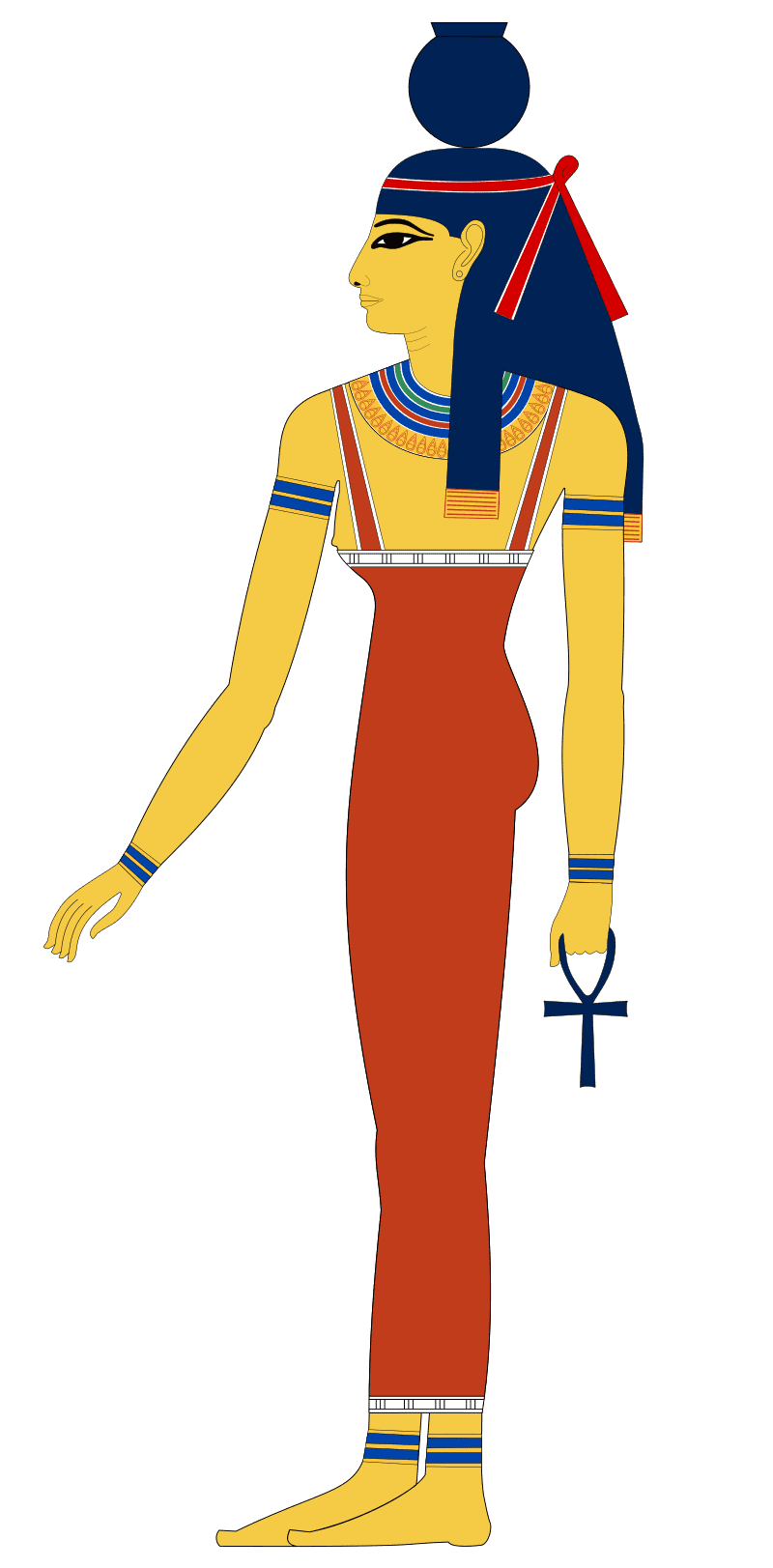
Hedetet is a fascinating figure in Egyptian mythology. Often depicted as a lioness or a woman with a lioness head, Hedetet represents various aspects of life and death in ancient Egyptian beliefs. Her name, which can be translated to mean “the one who is at the head,” signifies her important role in the pantheon of deities. This article will explore the various facets of Hedetet, including her origins, attributes, and significance in the mythology and culture of ancient Egypt.
Origins of Hedetet
The origins of Hedetet are somewhat obscure, as she is not one of the most widely worshipped deities in ancient Egypt. However, her presence is noted in several ancient texts and inscriptions. Scholars believe that she may have originated in the Delta region of Egypt, where lioness cults were prevalent. Her early associations with fertility and protection suggest that she was revered by communities that relied heavily on agriculture and livestock.
 Hauhet
Hedetet is often linked with other lioness deities, such as Sekhmet and Bastet. These deities share similar attributes and are often seen as protectors of the pharaoh and the nation. In the case of Hedetet, her role appears to be more specialized, focusing on the transition between life and death. This aspect makes her unique among her feline counterparts, as she embodies both nurturing and fierce qualities.
Attributes and Symbolism
Hedetet is primarily associated with the concept of rebirth and the afterlife. In many depictions, she is shown in a protective stance, symbolizing her role as a guardian of the deceased. The lioness head signifies her strength and ferocity, which are essential traits for a deity associated with the afterlife. Her presence in tombs and funerary texts indicates that she was invoked to safeguard the souls of the departed.
 Hathor
Another important aspect of Hedetet’s symbolism is her connection to the flooding of the Nile. This annual event was crucial for agriculture in ancient Egypt, and deities associated with fertility were often invoked during this time. Hedetet’s role in this context underscores her significance in the agricultural cycle, as she was believed to protect crops and ensure a bountiful harvest.
Physical Depictions
- Hedetet is commonly depicted as a lioness.
- She may also be shown as a woman with a lioness head.
- Her imagery often includes elements symbolizing fertility and protection.
Artistic representations of Hedetet highlight her dual nature. While she embodies the fierce protector aspect, her lioness form also conveys a sense of nurturing. This duality is critical in understanding her role in the mythological framework of ancient Egypt. The balance between strength and gentleness is a recurring theme in the representations of many Egyptian deities, and Hedetet exemplifies this perfectly.
Hedetet in Religious Practices
Although not as widely worshipped as some other deities, Hedetet played a role in various religious practices in ancient Egypt. Rituals dedicated to her would often focus on themes of protection and rebirth. These rituals may have included offerings of food and incense, intended to appease her and ensure her favor for the living and the deceased alike.
 Hatmehit
In funerary practices, Hedetet was invoked to safeguard the souls of the departed. The ancient Egyptians believed that her protective qualities would help guide the deceased through the underworld, ensuring a safe passage to the afterlife. This belief underscores the importance of her role in the larger framework of Egyptian mythology, where the afterlife was a significant concern for the living.
Rituals and Offerings
- Offerings of food and incense were common.
- Rituals focused on protection and rebirth.
- Hedetet was invoked during funerary ceremonies.
During specific festivals, communities may have gathered to celebrate Hedetet, emphasizing her importance in local agricultural cycles. These celebrations would likely include feasting, music, and dance, all aimed at honoring her and seeking her blessings for prosperity. Such festivals were vital in reinforcing the connection between the people and their deities, ensuring that Hedetet remained a significant figure in their spiritual lives.
Comparisons with Other Deities
Hedetet shares many similarities with other lioness deities in the Egyptian pantheon. Sekhmet, for instance, is known as a warrior goddess and a goddess of healing, often depicted with a lioness head. Like Hedetet, Sekhmet embodies strength and ferocity, but her focus is more on war and destruction. In contrast, Hedetet’s attributes lean more towards protection and nurturing, particularly in the context of the afterlife.
Bastet, another prominent lioness deity, is often associated with home, fertility, and domesticity. While she has a more playful and gentle demeanor, her protective nature is also significant. The differences among these three deities illustrate the rich tapestry of Egyptian mythology, where each goddess plays a distinct role while sharing common themes and attributes.
Hedetet, Sekhmet, and Bastet
- Sekhmet: Warrior goddess, associated with healing and destruction.
- Bastet: Goddess of home and fertility, with a more playful demeanor.
- Hedetet: Protector of the deceased, emphasizing rebirth and transition.
The relationships between these deities are often complex, with each one complementing the others’ attributes. For instance, while Sekhmet might be invoked for protection in battle, Hedetet would be called upon to ensure safe passage in the afterlife. This interconnectedness highlights the importance of community and balance in ancient Egyptian beliefs.
Hedetet’s Legacy in Modern Culture
Although Hedetet may not be as well-known today as other Egyptian deities, her legacy continues to influence modern culture. Many people are drawn to the symbolism of lionesses, which represent strength, protection, and maternal care. These qualities resonate with contemporary values, making Hedetet a relevant figure even in today’s society.
In recent years, there has been a resurgence of interest in ancient Egyptian mythology and its deities. This renewed fascination often leads to the exploration of lesser-known figures like Hedetet. Art, literature, and even film have begun to incorporate themes and characters inspired by ancient Egyptian beliefs, allowing for a broader understanding of their rich cultural heritage.
Modern Interpretations
- Interest in ancient Egyptian mythology has increased.
- Hedetet’s qualities resonate with contemporary values.
- Art and literature often explore themes related to her character.
As people seek to understand their own identities and connections to the past, figures like Hedetet provide a means of exploring themes of protection, nurturing, and the cycles of life and death. By revisiting these ancient beliefs, modern society can find new ways to connect with their own experiences and understand the world around them.
Hedetet is a significant yet often overlooked figure in Egyptian mythology. Her attributes of protection and rebirth, along with her connections to the afterlife and agriculture, make her an essential part of the ancient Egyptian pantheon. As we explore the various aspects of her character, we can gain a deeper understanding of the values and beliefs that shaped ancient Egyptian society. Her legacy continues to inspire and resonate with people today, reminding us of the enduring power of mythology and its relevance in our lives.