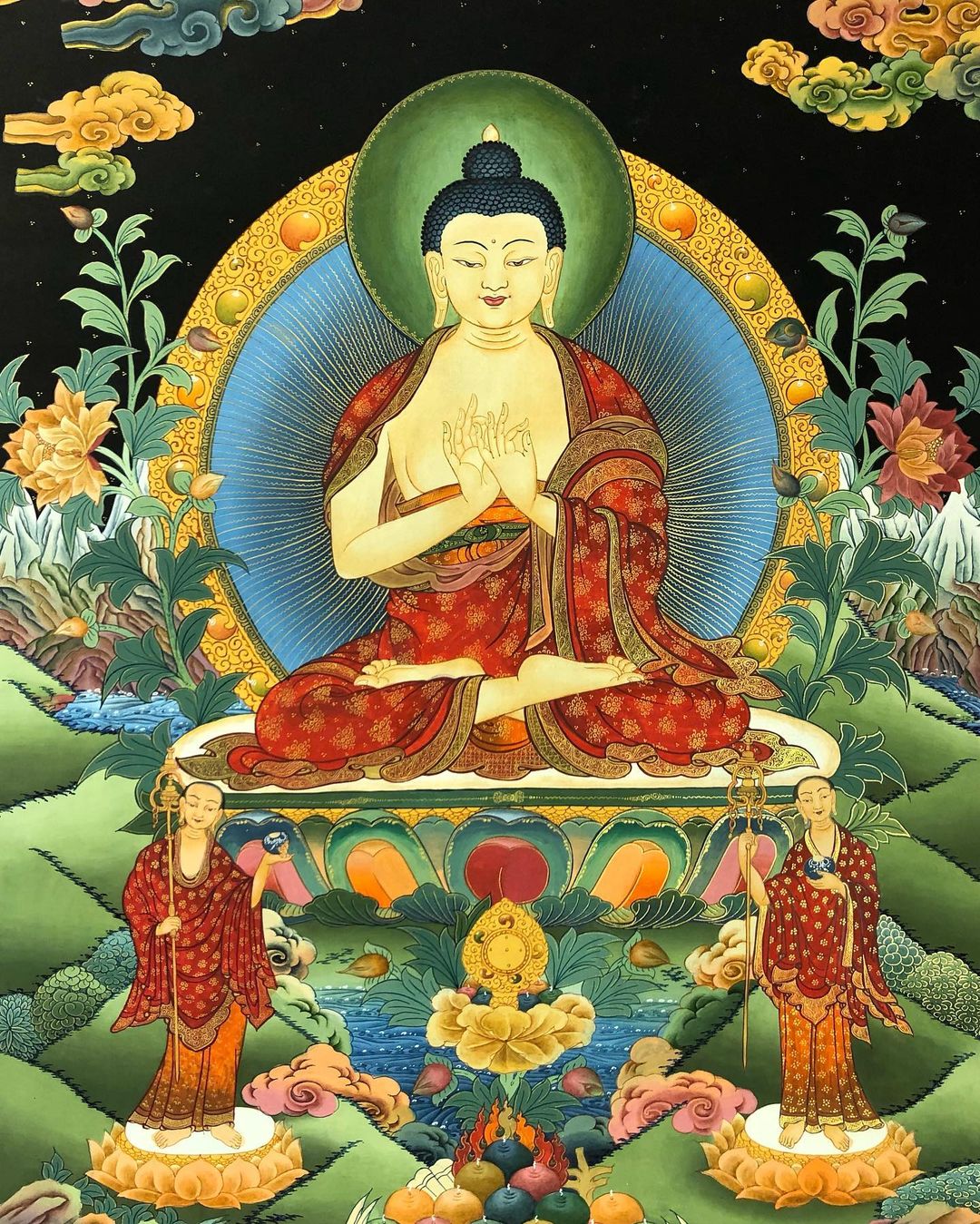
Vairocana is a significant figure in Buddhist mythology, revered as the cosmic Buddha who embodies the essence of enlightenment and the ultimate reality. In various traditions of Buddhism, particularly in Mahayana and , Vairocana is depicted as the central figure of the Dharmakaya, representing the truth body of a Buddha. This concept is essential for understanding the nature of reality and the path to enlightenment. Vairocana’s teachings and iconography serve as profound symbols for practitioners, illustrating the profound principles of compassion, wisdom, and the interconnectedness of all beings.
The Symbolism of Vairocana
Vairocana is often represented in a variety of forms and iconographies, each embodying different aspects of Buddhist philosophy. In many artistic representations, Vairocana is depicted seated on a lotus throne, surrounded by various bodhisattvas and other celestial beings. His posture, often shown in a meditative position, symbolizes a deep state of concentration and awareness. The radiant light that emanates from him represents the enlightening nature of the truth, illuminating the path for all sentient beings.
 Zaō Gongen
The color associated with Vairocana is typically white, symbolizing purity and the transcendence of dualistic concepts. His white form signifies the essence of the ultimate truth, free from the illusions and attachments that bind beings to the cycle of samsara. Furthermore, Vairocana is sometimes depicted with multiple heads and arms, illustrating his omnipresence and ability to assist countless beings simultaneously. This multifaceted representation serves as a reminder of the boundless compassion that characterizes a fully enlightened being.
Vairocana in Different Buddhist Traditions
Vairocana’s significance varies across different Buddhist traditions. In Tibetan Buddhism, he is often regarded as the embodiment of the ultimate reality and is central to the Kalachakra Tantra. In this context, Vairocana is viewed as the source of all teachings and practices, with his wisdom guiding practitioners towards enlightenment. The Kalachakra initiations often involve elaborate rituals and visualizations of Vairocana, emphasizing the importance of his teachings in the journey towards liberation.
- Mahayana Buddhism: In this tradition, Vairocana is often associated with the Lotus Sutra and the concept of universal salvation.
- Tibetan Buddhism: Here, Vairocana is integral to the Tantric practices and is often depicted as the central figure in mandalas.
- Zen Buddhism: Although not as prominent, Vairocana is acknowledged in some Zen teachings as a representation of the inherent Buddha nature within all beings.
In East Asian Buddhism, particularly in Chinese and Japanese traditions, Vairocana is revered as a central figure in various schools. In China, he is known as Rulilai, and his image is often found in temples and sculptures, embodying the essence of the ultimate truth. In Japan, Vairocana is associated with the Shingon school, where he is considered a key deity in esoteric practices. His teachings emphasize the importance of ritual and meditation as means to connect with the ultimate reality.
 Kongo
KongoThe Teachings of Vairocana
Vairocana’s teachings encompass a wide range of Buddhist principles, focusing on the nature of reality, the path to enlightenment, and the practice of compassion. Central to his teachings is the understanding of emptiness (śūnyatā), which is a foundational concept in Mahayana Buddhism. Vairocana teaches that all phenomena are empty of inherent existence, and recognizing this emptiness is crucial for overcoming ignorance and suffering.
In addition to the concept of emptiness, Vairocana emphasizes the importance of compassion and altruism. His teachings encourage practitioners to cultivate a heart of compassion towards all beings, recognizing that the suffering of others is interconnected with their own. This interconnectedness is a central theme in Buddhist philosophy, and Vairocana serves as a reminder of the need to act with kindness and understanding in all aspects of life.
Practices Associated with Vairocana
Practitioners of Buddhism engage in various practices associated with Vairocana to deepen their understanding of his teachings and to cultivate their own spiritual growth. Meditation is one of the primary practices, allowing individuals to quiet the mind and connect with the deeper aspects of their being. Through meditation on Vairocana, practitioners can visualize his form, embody his qualities, and aspire to achieve the same state of enlightenment.
 Komoku-ten
- Visualization: Practitioners often visualize Vairocana in their meditation, focusing on his radiant light and compassionate presence.
- Mantras: Reciting specific mantras associated with Vairocana helps to cultivate concentration and connect with his wisdom.
- Rituals: Engaging in rituals and offerings dedicated to Vairocana can deepen one’s commitment to the path of enlightenment.
In Tibetan Buddhism, elaborate rituals are performed in honor of Vairocana, often involving offerings, prayers, and ceremonial dances. These rituals not only honor the cosmic Buddha but also serve as a means for practitioners to purify their minds and accumulate merit. Through these practices, devotees aspire to embody the qualities of Vairocana, ultimately leading them closer to enlightenment.
Vairocana and the Concept of Dharmakaya
Understanding Vairocana requires a deeper exploration of the concept of Dharmakaya, which is one of the three bodies of a Buddha in Mahayana Buddhism. Dharmakaya represents the truth body, the ultimate reality that transcends all forms and concepts. Vairocana is often identified with Dharmakaya, symbolizing the pure, unconditioned state of existence that is beyond duality.
In this context, Vairocana serves as a bridge between the relative and ultimate truths. While practitioners engage with the relative truth of their everyday experiences, the teachings of Vairocana guide them towards the ultimate truth of the Dharmakaya. This duality of understanding is essential for navigating the complexities of life while aspiring for enlightenment.
The Role of Vairocana in Buddhist Cosmology
Vairocana plays a vital role in Buddhist cosmology, where he is often depicted as the central figure in various mandalas and cosmological diagrams. These representations illustrate the interconnectedness of all beings and the various realms of existence. Vairocana is seen as the source of light and wisdom that permeates the universe, guiding sentient beings towards enlightenment.
- Cosmic Buddha: Vairocana is often referred to as the cosmic Buddha, representing the unity of all enlightened beings.
- Mandalas: In many traditions, mandalas featuring Vairocana serve as visual aids for meditation and understanding the nature of reality.
- Interconnectedness: His teachings emphasize the interconnected nature of all phenomena, urging practitioners to see beyond their individual experiences.
The cosmological significance of Vairocana extends to the concept of the Five Wisdom Buddhas, where he is often regarded as the central figure surrounded by four other Buddhas, each representing different aspects of wisdom. This framework provides a comprehensive understanding of the nature of reality and the path to enlightenment, with Vairocana serving as the embodiment of ultimate truth and wisdom.
Vairocana in Art and Culture
Vairocana has inspired countless works of art and cultural expressions throughout the history of Buddhism. From ancient sculptures to modern paintings, his image has been a source of inspiration for artists across cultures. In many temples, large statues of Vairocana can be found, often depicted in a serene and majestic pose, radiating peace and wisdom.
In addition to sculptures, Vairocana is often featured in thangka paintings, which are intricate artworks that serve as teaching tools for practitioners. These paintings often include detailed depictions of Vairocana surrounded by various deities, symbolizing the interconnectedness of all aspects of the Buddhist path. The vibrant colors and intricate details of these artworks are not only visually stunning but also serve to inspire and educate practitioners on their spiritual journey.
Vairocana in Contemporary Buddhism
In contemporary Buddhism, Vairocana continues to be a significant figure for practitioners seeking to understand the nature of reality and cultivate compassion. Many modern teachers incorporate Vairocana’s teachings into their teachings, emphasizing the relevance of his wisdom in today’s world. As Buddhism continues to evolve and adapt to modern contexts, the teachings of Vairocana remain timeless and applicable to the challenges faced by individuals today.
- Mindfulness Practices: Many mindfulness practices draw upon the principles associated with Vairocana, encouraging practitioners to cultivate awareness and compassion.
- Interfaith Dialogue: Vairocana’s teachings on interconnectedness resonate with contemporary discussions on compassion and social justice.
- Environmental Awareness: The emphasis on interconnectedness can also be applied to environmental issues, urging practitioners to act responsibly towards the planet.
As Buddhism becomes more integrated into global society, the teachings of Vairocana serve as a guiding light for individuals seeking to navigate the complexities of modern life. His emphasis on compassion, wisdom, and the understanding of ultimate reality resonates deeply with the challenges and aspirations of contemporary practitioners.
Vairocana stands as a profound symbol in Buddhist mythology, representing the essence of enlightenment and the interconnectedness of all beings. His teachings, art, and cultural significance continue to inspire practitioners around the world, guiding them on their path to understanding the ultimate nature of reality. As we explore the teachings of Vairocana, we are reminded of the importance of compassion, wisdom, and the aspiration for enlightenment in our own lives.