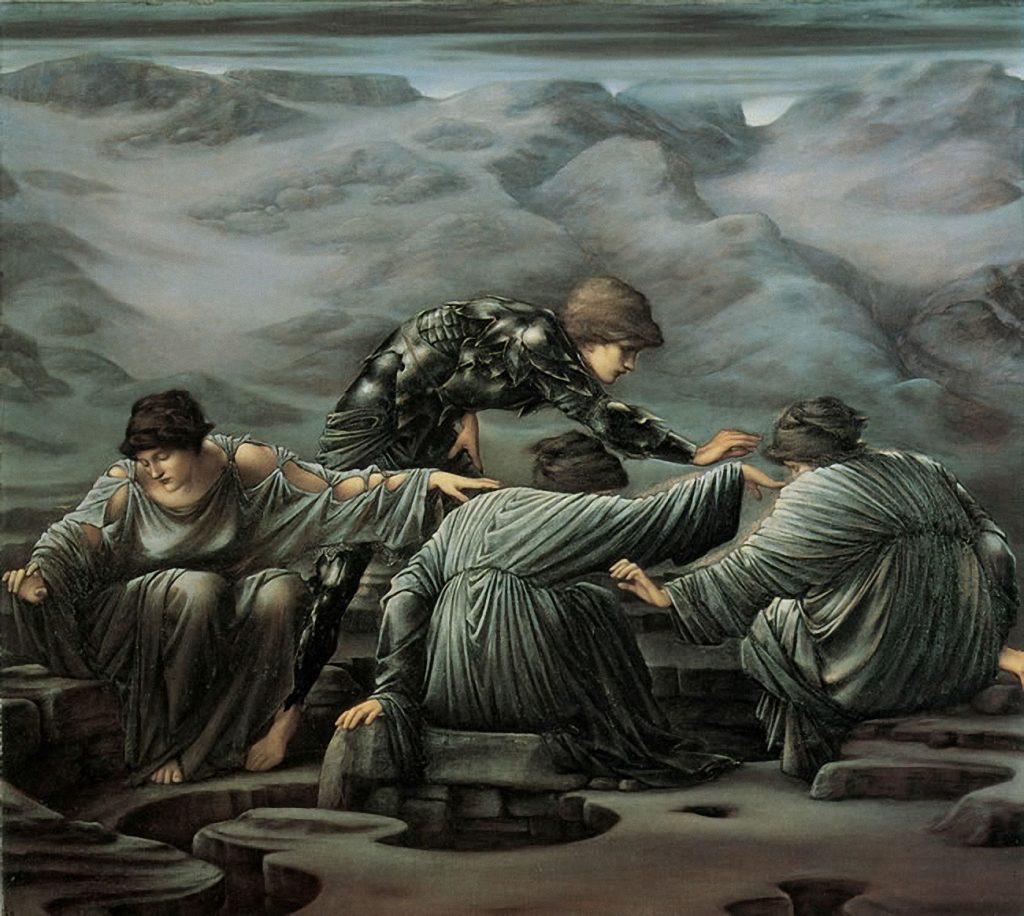
The Graeae are fascinating figures in Greek mythology. They are often referred to as the three sisters who shared one eye and one tooth among them. Their names are Deino, Enyo, and Phemie. These sisters are sometimes depicted as old women with gray hair, reflecting their name, which translates to “the gray ones.” They play a crucial role in the myths surrounding heroes, particularly in the stories of Perseus. The Graeae are known for their prophetic abilities, but their physical appearance and unique characteristics make them particularly memorable in ancient tales.
The Origins of the Graeae
The origins of the Graeae can be traced back to the primordial beings of Greek mythology. They are often considered daughters of Phorcys and Ceto, who are also sea deities. Phorcys and Ceto are associated with the dangers of the ocean, and their offspring often reflect the darker aspects of nature. The Graeae, however, are unique among their siblings, as they are not monstrous creatures like some of their other siblings, such as the Gorgons. Instead, they possess a certain wisdom and knowledge that comes from their age.
 Gyges
GygesThe fact that the Graeae share one eye and one tooth symbolizes their interconnectedness. This physical characteristic serves as a metaphor for the sharing of knowledge and experience among them. Despite their limited resources, they are often depicted as cunning and resourceful, able to provide crucial information to those who seek their counsel. This connection also emphasizes the theme of interdependence in Greek mythology, where characters often rely on one another to achieve their goals.
The Role of the Graeae in Perseus’s Quest
One of the most significant myths involving the Graeae is the story of Perseus. In his quest to slay the Gorgon Medusa, Perseus needed guidance and information about how to locate her. It is here that the Graeae come into play. When Perseus encounters them, he cleverly steals their shared eye, rendering them blind until they reveal the location of Medusa. This act highlights Perseus’s cunning and determination, but it also emphasizes the Graeae’s role as guardians of important knowledge.
 Hades
HadesThe Graeae, despite their vulnerability without their eye, are portrayed as wise and knowledgeable. They inform Perseus about the Gorgons and provide him with essential information about the items he will need to succeed in his quest. This includes the cap of invisibility, the winged sandals, and the reflective shield from Athena. The Graeae’s willingness to help Perseus, despite their predicament, showcases their complex nature as both guardians and guides.
The Symbolism of the Graeae
The Graeae symbolize several important themes in Greek mythology. Their shared eye represents knowledge and the idea that wisdom can be collective. In a broader sense, it reflects the notion that individuals often rely on one another to gain understanding and insight. This theme resonates throughout many myths, where heroes seek the counsel of others to navigate challenges.
Additionally, the Graeae embody the concept of aging and wisdom. Their appearance as old women suggests that with age comes experience and knowledge. This representation serves as a reminder of the value of listening to the elderly and respecting their insights. In a society that often idolizes youth, the Graeae remind us of the importance of wisdom that comes from a lifetime of experiences.
 Hamadryads
Connections to Other Mythical Beings
The Graeae are not isolated figures in Greek mythology; they are connected to various other mythical beings. Their relationship with the Gorgons is particularly significant. The Gorgons, including Medusa, are often portrayed as monstrous creatures with the ability to turn people to stone with their gaze. The Graeae, as the sisters of the Gorgons, serve as a contrast to their more fearsome siblings. While the Gorgons represent terror and chaos, the Graeae embody wisdom and guidance.
Moreover, the Graeae are sometimes associated with the Fates, another group of powerful female figures in Greek mythology. The Fates control the destinies of individuals, while the Graeae provide knowledge that can influence those destinies. This connection emphasizes the interconnectedness of various mythological figures and the complex web of relationships that define Greek myths.
Artistic Representations of the Graeae
Throughout history, the Graeae have been depicted in various forms of art, ranging from ancient pottery to modern illustrations. In many ancient Greek vases, the Graeae are shown as old women with gray hair, often sharing their eye. These artistic representations emphasize their unique physical characteristics and highlight their role as guides. The visual portrayal of the Graeae often captures the moment when Perseus steals their eye, showcasing the tension and drama of that encounter.
In modern adaptations of Greek mythology, the Graeae continue to be represented in literature, film, and theater. They are often portrayed as mysterious figures with a deep understanding of the world around them. These contemporary interpretations maintain the essence of the original myths while allowing for new creative expressions. The Graeae’s enduring presence in popular culture speaks to their significance in the larger tapestry of Greek mythology.
The Graeae in Popular Culture
The influence of the Graeae extends beyond ancient texts and art. In contemporary literature and film, they have made appearances that reinterpret their stories for modern audiences. For instance, in the popular series “Percy Jackson and the Olympians,” the Graeae are depicted as quirky characters who add a humorous element to the narrative. This adaptation highlights their role as seers while making them relatable to younger audiences.
Moreover, the Graeae have appeared in various adaptations of the Perseus myth, including movies and graphic novels. These adaptations often explore their character dynamics and the implications of their shared eye. The portrayal of the Graeae in popular culture serves to keep their legacy alive, allowing new generations to engage with these ancient figures and their stories.
Lessons from the Graeae
The stories of the Graeae offer valuable lessons that resonate even today. One of the most significant lessons is the importance of collaboration and interdependence. The Graeae, despite their limitations, work together to provide knowledge and guidance. This theme is relevant in various aspects of life, including teamwork in professional settings and the importance of community in personal relationships.
Additionally, the Graeae remind us of the value of wisdom that comes with age. In a society that often prioritizes youth, their stories encourage us to listen to the voices of the elderly and learn from their experiences. The Graeae’s portrayal as wise figures highlights the importance of respecting tradition and the knowledge passed down through generations.
The Graeae are intriguing figures in Greek mythology, representing wisdom, collaboration, and the importance of knowledge. Their role in the myth of Perseus showcases their significance as guides and guardians. Through various artistic representations and adaptations, the Graeae continue to captivate audiences, reminding us of the timeless themes embedded in their stories. As we explore the rich tapestry of Greek mythology, the Graeae stand out as symbols of wisdom and the interconnectedness of all beings.