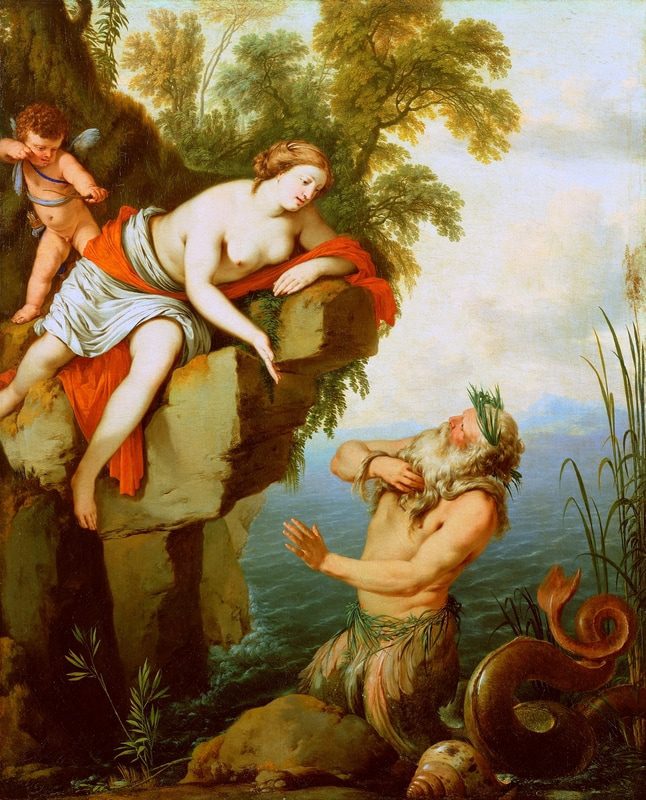
In Greek mythology, Glaucus is a fascinating figure who embodies the mysteries of the sea and the transformative power of nature. Originally a mortal fisherman, Glaucus’s life takes a dramatic turn when he encounters a magical herb that alters his existence forever. This transformation leads him to become a sea god, and his story intertwines with various other deities and heroes in ancient Greek tales. Understanding Glaucus requires delving into his origins, his relationships with other mythological figures, and the symbolic meanings associated with his character.
Origins of Glaucus
The story of Glaucus begins in the coastal regions of ancient Greece, where he was born as a mortal man. He was known for his exceptional skills as a fisherman. According to myth, Glaucus discovered a strange herb while fishing one day. This herb had the power to revive fish and other sea creatures, leading him to an extraordinary fate. Consumed by curiosity and the desire to know more about the sea, Glaucus consumed the herb himself, resulting in a profound transformation.
 Gorgons
After ingesting the magical herb, Glaucus underwent a metamorphosis, turning into a being of the sea. His skin became covered with scales, and he gained the ability to breathe underwater. This transformation not only changed his physical form but also granted him incredible powers. He became a sea god, capable of communicating with marine life and possessing knowledge about the depths of the ocean. This metamorphosis symbolizes the deep connection between humanity and nature, illustrating how a single moment can lead to profound changes.
Glaucus as a Sea God
As a sea god, Glaucus is often associated with various aspects of the ocean. He is depicted as a figure who embodies the beauty and danger of the sea, reflecting its dual nature. In many myths, he is portrayed with a fish-like body, long hair flowing like seaweed, and eyes that resemble the depths of the ocean. His appearance is both enchanting and intimidating, representing the unpredictable nature of the waters.
Glaucus is known for his ability to control the sea and its creatures. He can summon storms, calm turbulent waters, and communicate with dolphins and other marine animals. His powers make him a vital figure for sailors seeking safe passage. Many ancient Greeks would pray to Glaucus before embarking on sea voyages, hoping for his favor and protection. This connection highlights the importance of the sea in Greek culture and the reverence they had for the gods associated with it.
 Graeae
Glaucus and Other Mythological Figures
Throughout Greek mythology, Glaucus interacts with several other important figures, enhancing his story and illustrating his role in the pantheon of gods. One of the most notable relationships is with the goddess Aphrodite, the goddess of love and beauty. Glaucus fell in love with the beautiful nymph Scylla, but his feelings were not reciprocated. In his desperation, he sought the help of Aphrodite to win Scylla’s heart.
- Aphrodite, however, rejected his advances and instead cursed Scylla, turning her into a fearsome sea monster.
- This tragic turn of events reflects the theme of unrequited love and the often capricious nature of the gods.
- Glaucus’s love for Scylla is a poignant reminder of the complexities of relationships in mythology.
Another significant figure in Glaucus’s narrative is Odysseus, the legendary hero of the Trojan War. In Homer’s epic, “The Odyssey,” Glaucus plays a role in aiding Odysseus during his journey. He provides guidance and support to the hero as he navigates the treacherous waters filled with monsters and challenges. This connection between Glaucus and Odysseus showcases the importance of cooperation between mortals and gods in overcoming obstacles.
The Symbolism of Glaucus
Glaucus’s character is rich in symbolism, representing various themes within Greek mythology. One of the primary symbols associated with him is the idea of transformation. His journey from a mortal fisherman to a powerful sea god illustrates the potential for change and growth. This transformation can be seen as a metaphor for the human experience, where individuals often face challenges that lead to personal evolution.
 Gyges
GygesAdditionally, Glaucus embodies the duality of nature, particularly the sea. He reflects the beauty of the ocean, with its vibrant life and serene landscapes, while also representing its dangers, such as storms and monstrous creatures. This duality serves as a reminder of the need for respect and caution when engaging with the natural world. The sea can be both a source of nourishment and a formidable force, highlighting the complexities of human interaction with nature.
Glaucus in Art and Literature
Throughout history, Glaucus has been depicted in various forms of art and literature, showcasing his significance in Greek mythology. Ancient pottery often features scenes of Glaucus, capturing his transformation and interactions with other deities. These artistic representations serve as a window into the beliefs and values of ancient Greek society, emphasizing their reverence for the sea and its gods.
- In literature, Glaucus appears in numerous works, including Ovid’s “Metamorphoses,” where his story is told in detail.
- He is also referenced in later works, influencing the portrayal of sea deities in subsequent cultures.
- His character has inspired modern adaptations, appearing in films, novels, and other forms of storytelling.
Glaucus’s image continues to resonate in contemporary culture, symbolizing the enduring fascination with mythology and the natural world. Artists and writers draw upon his story to explore themes of transformation, love, and the relationship between humanity and the sea. This ongoing legacy underscores the timeless nature of Greek mythology and its ability to inspire generations.
Glaucus stands as a compelling figure within Greek mythology, representing the complexities of the sea and the transformative power of nature. His journey from a mortal fisherman to a powerful sea god serves as a reminder of the potential for change and growth in all individuals. Through his relationships with other mythological figures, Glaucus illustrates the interconnectedness of gods and mortals, as well as the enduring themes of love, loss, and transformation. His legacy continues to inspire and captivate audiences, making him a significant character in the rich tapestry of Greek mythology.