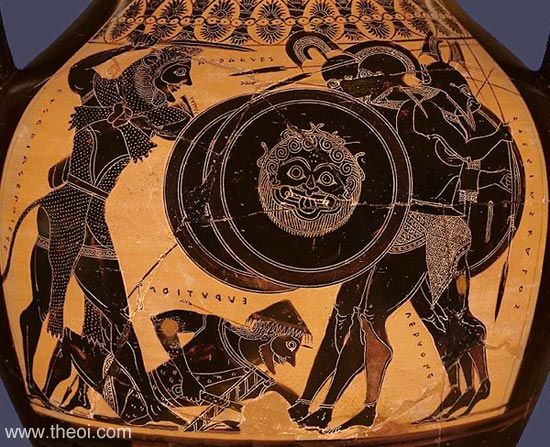
In Greek mythology, Geryon is a fascinating figure often depicted as a monstrous giant with three bodies. He is primarily known for his role in the labors of Heracles, particularly the quest for the cattle of Geryon. This mythological character embodies themes of strength, challenge, and the supernatural, making him a captivating subject for exploration. The tales surrounding Geryon provide insight into ancient Greek beliefs about heroism and the nature of evil. His stories intertwine with various other mythological figures, creating a rich tapestry of narratives that have intrigued scholars and enthusiasts for centuries.
Origins of Geryon
The origins of Geryon can be traced back to ancient texts, most notably in the works of Hesiod and Apollonius of Rhodes. According to these sources, Geryon was the son of Chrysaor and Callirrhoe, making him a descendant of the powerful Poseidon. He is often described as a giant with three distinct bodies, each possessing its own head, arms, and legs. This unique physicality made him a formidable opponent, symbolizing the idea of strength multiplied. Additionally, Geryon resided on the island of Erytheia, which was said to be located near the edge of the known world, adding to his mysterious and fearsome reputation.
 Glaucus
Geryon was not just a giant; he was also a ruler of the island where he kept his prized cattle. These cattle were said to be magnificent and red, further enhancing their value and desirability. The presence of such extraordinary livestock highlights the connection between power and possession in Greek mythology. The stories often emphasize that Geryon’s cattle were not only a symbol of wealth but also a source of great conflict, as they attracted the attention of many heroes, including Heracles.
The Cattle of Geryon
One of the most significant aspects of Geryon’s myth is his cattle, which play a crucial role in the Twelve Labors of Heracles. Heracles was tasked with retrieving these cattle as part of his penance for killing his family in a fit of madness. This labor was not just a simple task; it required immense strength, cunning, and bravery. The journey to Erytheia was fraught with challenges, showcasing the hero’s determination and resilience. Geryon’s cattle represented not only a physical challenge but also a moral one, as Heracles had to confront his own inner demons while completing the labor.
According to the myth, Heracles faced numerous obstacles on his way to Erytheia. He had to cross the Ocean, often depicted as a vast and treacherous body of water. He also encountered various mythical creatures and beings that tried to thwart his progress. These challenges serve to highlight the hero’s journey, emphasizing the idea that greatness often comes with trials and tribulations. The cattle themselves were guarded by Geryon and his fierce two-headed dog, Orthrus, adding another layer of danger to the quest.
 Gorgons
The Battle with Geryon
Upon reaching Erytheia, Heracles faced Geryon in a fierce battle. This confrontation is often depicted as one of the most intense moments in the hero’s journey. Geryon, with his three bodies, posed a unique challenge for Heracles. Each of Geryon’s bodies had to be defeated in order to claim the cattle, showcasing the theme of multiplicity in the struggle against evil. Heracles utilized his legendary strength and skill with a bow and arrow to overcome Geryon, ultimately proving that he was a worthy opponent.
The battle itself is rich in symbolism. Geryon represents the chaos and obstacles that one must face in life, while Heracles symbolizes the hero’s journey and the pursuit of redemption. The conflict between the two figures illustrates the struggle between good and evil, a central theme in many Greek myths. Heracles’ victory over Geryon not only signifies his physical prowess but also his ability to conquer the darkness within himself.
The Aftermath of the Labor
After defeating Geryon, Heracles successfully captured the prized cattle and began his journey back. However, the aftermath of this labor was not without its complications. The journey back to Greece was filled with additional challenges, including encounters with other mythological beings and the natural elements. Heracles had to navigate through treacherous terrain and deal with the repercussions of stealing Geryon’s cattle. This part of the story emphasizes that even after achieving a great victory, one must still face the consequences of their actions.
 Graeae
Heracles’ return with the cattle was met with mixed reactions. While he had completed one of his labors, the theft of Geryon’s cattle sparked conflict with the gods and other heroes. This aspect of the myth reflects the idea that success can sometimes lead to further challenges. It also highlights the interconnectedness of the various characters within Greek mythology, where one hero’s actions can have ripple effects throughout the narrative.
Symbolism of Geryon in Greek Mythology
Geryon is rich in symbolism within Greek mythology. His three bodies can be interpreted as representing the complexity of human nature and the multifaceted challenges that one faces in life. The notion of multiplicity is a recurring theme in mythology, often reflecting the idea that good and evil coexist within individuals. Geryon’s defeat by Heracles can be seen as a metaphor for overcoming personal struggles and the journey towards self-improvement.
Additionally, Geryon’s cattle symbolize the rewards that come from overcoming obstacles. They represent the fruits of labor and the importance of perseverance. In this sense, Geryon serves as a reminder that the path to success is often filled with challenges that must be faced head-on. His story encourages individuals to confront their fears and adversities, emphasizing the heroic qualities of courage and determination.
Geryon in Art and Literature
Throughout history, Geryon has been depicted in various forms of art and literature, reflecting his significance in Greek mythology. Ancient pottery often features scenes from the battle between Heracles and Geryon, showcasing the dramatic tension of the encounter. These artistic representations serve not only as a visual narrative but also as a means of preserving the stories and values of ancient Greek culture.
In literature, Geryon has been referenced by numerous authors, including Homer and Virgil. His character appears in epic poems and plays, often symbolizing the challenges that heroes must face. The enduring nature of Geryon’s myth speaks to the timeless themes of struggle, redemption, and the quest for greatness that resonate across cultures and eras.
Comparative Mythology: Geryon and Other Mythical Beings
Geryon’s story can be compared to other mythical beings in different cultures who embody similar themes. For instance, the figure of Fenrir in Norse mythology represents chaos and destruction, paralleling Geryon’s role as an obstacle for heroes. Both characters are formidable adversaries that challenge the protagonists in their respective myths, emphasizing the universal theme of good versus evil.
Another comparison can be made with the Chimera, a fire-breathing monster with a lion’s head, a goat’s body, and a serpent’s tail. Like Geryon, the Chimera symbolizes the idea of multiple forms and the complexity of evil. Heroes in both myths must confront these creatures to achieve their goals, highlighting the archetype of the hero’s journey found in many cultures.
Geryon in Modern Culture
In modern culture, Geryon continues to be a source of inspiration for various forms of media, including literature, film, and visual arts. His character often serves as a representation of the challenges that individuals face in their own lives. The themes of struggle and triumph resonate with contemporary audiences, making Geryon a relevant figure even today.
Many authors and filmmakers draw upon Geryon’s story to explore deeper themes of identity and conflict. For example, the character has appeared in fantasy novels where he embodies the trials faced by the protagonists. His mythological background adds depth to these narratives, enriching the storytelling experience. Furthermore, Geryon’s legacy can be seen in video games and graphic novels, where he often serves as a powerful adversary that players must overcome.
Geryon’s place in Greek mythology is one of complexity and depth. His story is not just about a hero conquering a monster; it is a rich narrative filled with symbolism, challenges, and moral lessons. The figure of Geryon serves as a reminder of the struggles we all face in life and the importance of perseverance and courage. Through the lens of mythology, Geryon continues to inspire and resonate with audiences, reflecting the timeless nature of these ancient tales.