
Ganymede is a significant figure in Greek mythology, often recognized for his beauty and his role in the stories of the gods. He is commonly depicted as a young boy, symbolizing youth and beauty, and his tale intertwines with the greater narrative of the Olympian gods. In various accounts, Ganymede is described as the son of Tros, the king of Troy, and Callirrhoe, a water nymph. His beauty caught the attention of Zeus, the king of the gods, who ultimately took him to Mount Olympus. This act has led to various interpretations and discussions regarding themes of love, desire, and immortality in Greek literature.
Ganymede’s Parentage and Early Life
The origins of Ganymede are steeped in rich mythology. According to legend, he was born to Tros, the founder of Troy, and his wife, Callirrhoe. Tros was not just a king; he was also a descendant of Erichthonius, who was believed to be the first king of Athens. This royal lineage set the stage for Ganymede’s extraordinary life. His mother, Callirrhoe, was a water nymph, which is significant as it ties Ganymede to the divine and the natural world. His upbringing in such a noble family emphasized his destined greatness and foreshadowed his encounter with the gods.
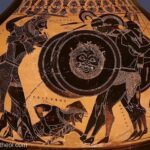 Geryon
Ganymede’s childhood was filled with tales of valor and the stories of his ancestors. The people of Troy revered him not only for his beauty but also for his noble lineage. As he grew older, his striking appearance became a topic of admiration among both mortals and gods alike. He was often described as the most handsome of mortals, with features that radiated youth and vitality. This beauty would ultimately draw the attention of Zeus, leading to a series of events that would change his life forever.
The Abduction by Zeus
The most famous aspect of Ganymede’s story is his abduction by Zeus. According to the myth, Zeus was captivated by Ganymede’s beauty while he was tending to his flock on Mount Ida. Struck by desire, Zeus transformed himself into an eagle and swooped down to carry Ganymede away to Olympus. This act of abduction has been interpreted in various ways, often seen as a symbol of divine love and desire. However, it also raises questions about consent and the nature of power dynamics between mortals and gods.
Upon arriving at Olympus, Ganymede was granted immortality and became the cupbearer to the gods. This role was significant as it involved serving nectar, the drink of the gods, and symbolized a position of honor. Ganymede’s beauty and grace were celebrated in the halls of Olympus, and he quickly became a beloved figure among the deities. His presence not only highlighted the themes of beauty and youth but also emphasized the relationship between mortals and immortals.
 Glaucus
The Symbolism of Ganymede
Ganymede represents more than just beauty; he embodies various themes in Greek mythology. One of the most prominent themes is immortality. By being taken to Olympus, Ganymede transcends the mortal experience and enters a realm of eternal youth. This transformation raises questions about the nature of existence and the desires of both gods and mortals. Many scholars interpret Ganymede’s story as a reflection of the human yearning for immortality and the lengths to which one might go to achieve it.
Another important aspect of Ganymede’s symbolism is the concept of desire. The love that Zeus felt for Ganymede is often seen as a representation of the intense and sometimes problematic desires that can exist between different beings. This theme resonates throughout Greek mythology, where love and desire often lead to both divine favor and tragic consequences. Ganymede’s abduction can thus be viewed as a complex interplay of love, power, and the consequences of desire.
Art and Literature Depictions
Throughout history, Ganymede has been a popular subject in various forms of art and literature. Artists from different eras have depicted him in numerous ways, often emphasizing his beauty and the dramatic moment of his abduction by Zeus. For instance, ancient Greek pottery frequently features scenes of Ganymede being carried away by the eagle, showcasing the dynamic between the mortal and the divine. These artworks serve as a testament to the lasting impact of Ganymede’s story in the cultural imagination.
 Gorgons
In literature, Ganymede has been referenced by numerous poets and playwrights. One notable mention is in the works of Homer, where he is celebrated for his beauty and his role among the gods. Other writers, such as Ovid, have elaborated on his story, providing rich details about his character and experiences. These literary works have helped to shape the narrative surrounding Ganymede, ensuring that his legacy endures through time.
Ganymede in Modern Culture
In contemporary culture, Ganymede continues to be a figure of fascination. His story has been adapted in various forms, including theater, film, and literature. Many modern interpretations focus on the themes of identity and acceptance, drawing parallels between Ganymede’s experience and the struggles faced by individuals in today’s society. This relevance speaks to the timeless nature of his story and its ability to resonate with new generations.
Additionally, Ganymede’s image has been used in various cultural contexts, including LGBTQ+ discussions, where his story is often seen as a representation of love and desire that transcends traditional boundaries. The exploration of his character in this light highlights the ongoing conversation about the complexities of love and relationships in both ancient and modern contexts.
The Legacy of Ganymede
Ganymede’s legacy is multifaceted, encompassing themes of beauty, desire, and the relationship between mortals and gods. His story has inspired countless interpretations and discussions, making him a lasting figure in Greek mythology. The complexities of his character and the narratives surrounding him invite readers and scholars alike to explore deeper meanings and implications within the myth. As a result, Ganymede remains a significant symbol of youth and beauty, as well as a representation of the timeless human experience.
Moreover, the story of Ganymede continues to spark interest in various academic fields, including mythology, literature, and art history. Scholars analyze his character from different perspectives, examining the implications of his abduction and the themes that arise from his interactions with the gods. This ongoing exploration ensures that Ganymede’s story remains relevant and engaging, encouraging new interpretations and discussions.
Conclusion: The Enduring Fascination with Ganymede
Ganymede’s tale is one that captivates audiences through its rich themes and symbolism. From his origins as a mortal prince to his transformation into an immortal cupbearer, Ganymede’s story is a testament to the complexities of love, desire, and the pursuit of immortality. The various interpretations and representations of Ganymede in art and literature further underscore his significance in Greek mythology and his lasting impact on culture. As we continue to explore and analyze his story, Ganymede remains an enduring figure that invites reflection on the nature of beauty, desire, and the human experience.