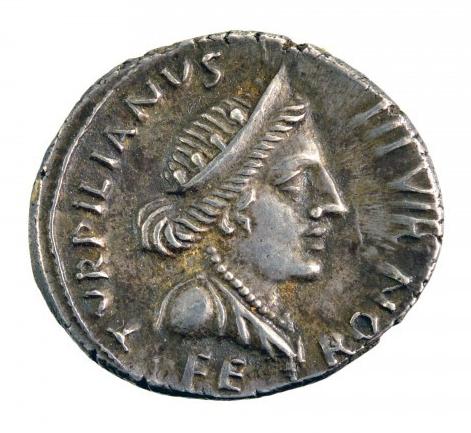
Feronia is a significant figure in Roman mythology, often associated with fertility, abundance, and the natural world. She was primarily worshipped in ancient Italy, especially in the region of Sabina. Feronia was not only revered for her agricultural blessings but also as a protector of the forests and wildlife. Her role in Roman society reflects the deep connection that the Romans had with nature and the importance of agricultural prosperity in their daily lives. The veneration of Feronia highlights how ancient cultures revered deities who represented various aspects of their environment and well-being.
Origins and Historical Context
The origins of Feronia are somewhat obscure, but she is believed to have pre-Roman roots. Some scholars suggest that her worship may have originated from the Etruscans or even earlier Italic tribes. The Etruscans, who inhabited parts of Italy before the rise of Rome, had a rich pantheon of gods and goddesses, and it is possible that Feronia was adopted into Roman culture through these earlier traditions. As Rome expanded, many local deities were integrated into the Roman pantheon, and Feronia was one of those who gained prominence.
 Fides
FidesFeronia was primarily associated with fertility and the bounty of nature. This connection to agriculture was crucial for the Roman people, as their society was largely agrarian. The worship of deities like Feronia served to ensure good harvests and abundant crops. In ancient Rome, agricultural festivals were essential for maintaining the connection between the people and their gods. Feronia’s role as a goddess of fertility made her an important figure during these celebrations, as she was invoked for blessings on the fields and livestock.
Attributes and Symbols
Feronia is often depicted with various symbols that represent her powers and attributes. One of the most common symbols associated with her is the cornucopia, a horn-shaped container overflowing with fruits and vegetables. This symbolizes abundance and the richness of the harvest, reflecting her role as a goddess of fertility and prosperity. The cornucopia is a powerful reminder of the blessings that Feronia bestows upon the land and its people.
Another symbol often linked to Feronia is the oak tree. Oaks were sacred to many ancient cultures, including the Romans, and represented strength and endurance. The oak tree’s deep roots and sturdy branches symbolize stability and longevity, qualities that are also associated with Feronia. Additionally, she is sometimes depicted with animals, particularly those that inhabit forests and fields, highlighting her protective nature over wildlife and the natural environment.
 Flora
FloraWorship and Rituals
The worship of Feronia included various rituals and festivals aimed at securing her favor for a good harvest. One of the most significant festivals in her honor was the Feroniae, celebrated on the 13th of November. During this festival, farmers and families would gather to offer sacrifices and prayers to Feronia, asking for her blessings on their crops and livestock. These offerings often included fruits, grains, and even animals, which were sacrificed to show gratitude and seek her protection.
In addition to the annual festivals, there were also smaller rituals conducted throughout the year. Farmers would make offerings at the beginning of the planting season, hoping to gain Feronia’s favor for a fruitful year. These rituals often involved the pouring of wine or the burning of incense at altars dedicated to her. The connection between the land and the goddess was reinforced through these practices, emphasizing the importance of agricultural success in Roman life.
Temples and Sacred Sites
Feronia had several temples and sacred sites dedicated to her worship across ancient Italy. One of the most famous temples was located in Rome itself, where devotees would come to pay their respects. The temple served as a central hub for rituals and festivals, allowing the community to come together in worship. The architecture of these temples often reflected the significance of the goddess, with grand structures adorned with intricate carvings and sculptures.
 Fontus
Another notable site of worship for Feronia was located in the Sabine Hills, an area that was believed to be particularly sacred to her. This region was known for its lush landscapes and fertile lands, making it a fitting location for a goddess associated with nature and abundance. Pilgrims would travel to these sacred sites to seek blessings, participate in rituals, and connect with the divine presence of Feronia.
Feronia in Literature and Art
Feronia’s presence is also noted in ancient Roman literature and art. Writers such as Ovid and Virgil mentioned her in their works, highlighting her significance in Roman culture. These literary references often emphasized her attributes as a goddess of fertility and the protector of the harvest. Through poetry and prose, the Romans celebrated her role in their lives, reinforcing the importance of nature and agriculture in their society.
In art, Feronia was often depicted alongside other deities or as a solitary figure, showcasing her beauty and grace. Sculptures and frescoes captured her essence, often portraying her with symbols like the cornucopia or surrounded by flora and fauna. These artistic representations served not only as a form of worship but also as a way to educate the public about her significance and the values she embodied.
Comparative Mythology
In the broader context of mythology, Feronia can be compared to other fertility goddesses from various cultures. For instance, she shares similarities with the Greek goddess Demeter, who was also associated with agriculture and the harvest. Both deities represent the nurturing aspects of nature and the vital connection between humans and the earth. The worship of such goddesses reflects a universal theme found in many cultures, where the fertility of the land is seen as essential for survival.
Another comparable figure is the Egyptian goddess Isis, who was associated with fertility, motherhood, and magic. Like Feronia, Isis was revered for her ability to provide for her followers and ensure their well-being. These parallels across different mythologies highlight a common human experience—the reliance on nature and the divine for sustenance and prosperity.
Modern Interpretations and Influence
Today, Feronia’s legacy can still be seen in various aspects of modern culture. While her worship has largely faded, the values she represented continue to resonate with contemporary environmental movements. Many people today advocate for the protection of nature and the importance of sustainable agriculture, echoing the sentiments of ancient worshippers who sought the favor of Feronia for a fruitful harvest.
Furthermore, Feronia’s story can inspire discussions about the importance of biodiversity and the interconnectedness of all living things. As we face challenges such as climate change and habitat destruction, the lessons from ancient mythology remind us of our responsibility to care for the earth. The reverence for deities like Feronia serves as a reminder of the deep respect that ancient cultures had for nature, a value that is increasingly relevant in our modern world.
Feronia remains a fascinating figure within Roman mythology, embodying the ideals of fertility, abundance, and the protection of nature. Her worship reflects the essential role that agriculture played in Roman society and the deep connection between humans and the environment. Through rituals, symbols, and artistic representations, Feronia’s influence can still be felt today, serving as a reminder of the importance of honoring the natural world and seeking harmony with it. As we explore her story, we gain insight into the values and beliefs of the ancient Romans, which continue to inspire and inform our understanding of the world around us.