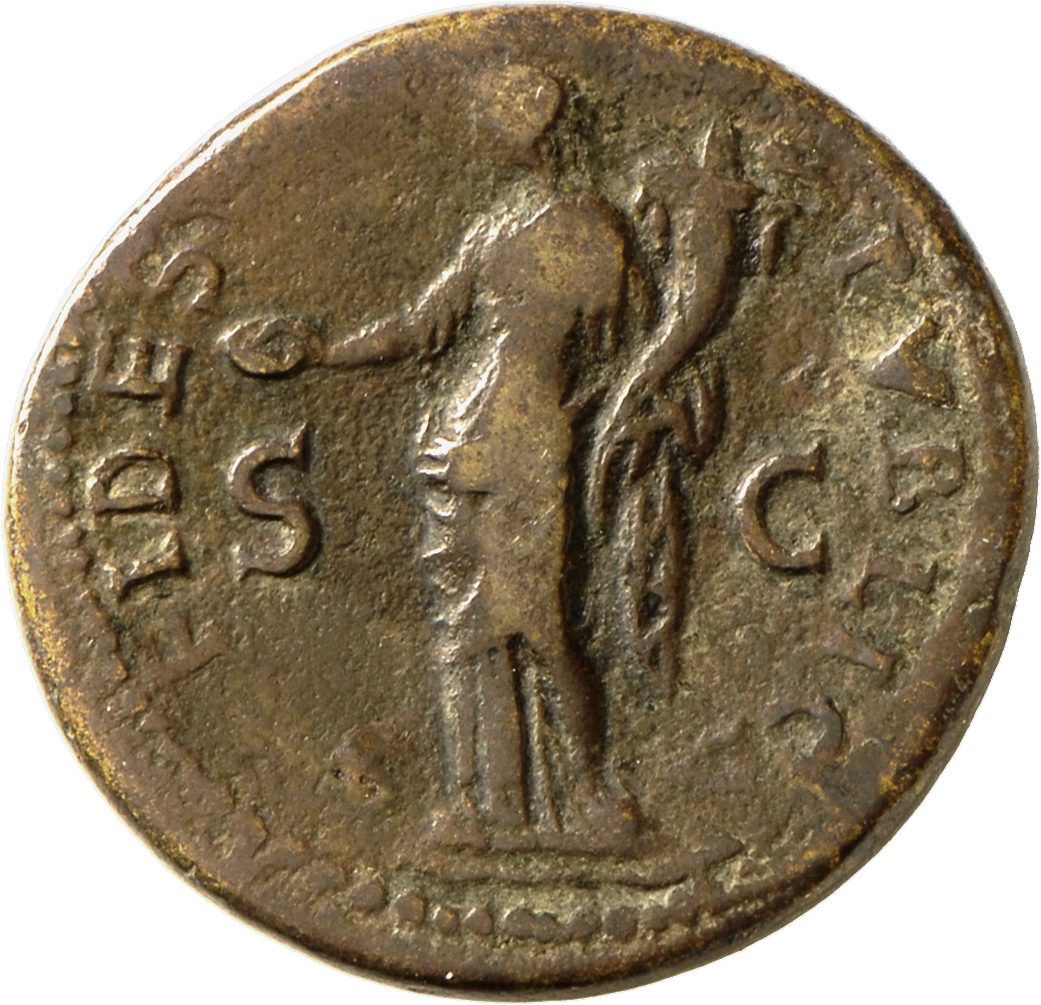
In Roman mythology, Fides represents the concept of trust and faithfulness. She is often personified as a goddess who embodies these essential qualities. Fides was a significant figure in Roman culture, reflecting the importance of loyalty and reliability in both personal relationships and civic life. As a deity, she was venerated by the Romans for her role in maintaining social order and moral integrity. The Romans believed that having faith in each other and in the gods was crucial for the stability of their society.
The Role of Fides in Roman Society
Fides played a crucial role in the daily lives of the Romans. Trust was not just a personal virtue; it was the foundation of the Roman state. The Romans believed that their success as a civilization depended on the strength of their social bonds. Fides was invoked in various ceremonies and rituals to ensure that these bonds remained strong. Romans often prayed to Fides during important events, such as marriages, treaties, and military campaigns, seeking her blessings for loyalty and trust among participants.
 Flora
FloraIn political matters, the concept of Fides was particularly significant. Roman leaders were expected to uphold their promises and commitments, both to the people and to other nations. The idea of fidelity was deeply embedded in the political fabric of Rome. If leaders failed to demonstrate Fides, they risked losing the support of the populace and undermining the very foundations of the Republic. This expectation of loyalty extended to the military as well, where soldiers were bound by oaths of allegiance to their commanders and the state.
Rituals and Worship
The worship of Fides involved various rituals aimed at reinforcing the values of trust and loyalty. One of the most notable practices was the Fides Publica, a public festival dedicated to the goddess. During this festival, citizens would gather to offer sacrifices and prayers, emphasizing the importance of mutual trust among the community. The festival served as a reminder of the responsibilities each individual had towards one another, fostering a sense of unity and collective strength.
- Offerings: Common offerings included cakes, wine, and incense.
- Public oaths: Citizens would take oaths in front of their peers, pledging their loyalty to one another.
- Community feasts: These gatherings helped to strengthen social bonds and reinforce the values associated with Fides.
Another important aspect of Fides’ worship was the emphasis on oaths. Romans believed that swearing an oath was a sacred act, binding the individual to their word. Breaking an oath was seen as a grave offense, not just against the person to whom the oath was made, but also against Fides herself. This belief ensured that individuals approached their commitments with seriousness and integrity, knowing that their honor and reputation were at stake.
 Fontus
Symbolism of Fides
Fides is often depicted with specific symbols that represent her attributes. One of the most common symbols associated with her is the handshake, which signifies the bond of trust between individuals. The handshake is a universal gesture of agreement and loyalty, illustrating the essence of what Fides represents. This symbol highlights the importance of personal connections and the mutual respect that should exist between people.
Another significant symbol of Fides is the staff or scepter. This represents authority and the power of promises made. The staff is a reminder that those in positions of power have a responsibility to uphold their commitments to the people they govern. By wielding this symbol, leaders are expected to embody the principles of trustworthiness and reliability, reinforcing the idea that leadership is built on a foundation of faith.
Fides in Literature and Art
 Fornax
Fides has been a subject of interest in various forms of Roman literature and art. Poets and writers often invoked her name when discussing themes of loyalty, fidelity, and the consequences of betrayal. Her character serves as a moral compass in many stories, illustrating the virtues that were highly regarded in Roman society. Through literature, Fides was able to influence the values and behaviors of the Roman people, encouraging them to strive for a society based on trust.
- Epic poetry: Fides is often referenced in epic poems that explore themes of heroism and loyalty.
- Philosophical texts: Writers would discuss the importance of faithfulness in personal and political contexts.
- Visual arts: Artists depicted Fides in sculptures and mosaics, emphasizing her role as a guardian of trust.
In Roman art, Fides is frequently portrayed as a young woman, symbolizing purity and integrity. Her representations often include elements that signify her attributes, such as a torch or a wreath. These artistic depictions serve not only as a celebration of her qualities but also as a reminder to the viewers of the values that should be upheld in their own lives. The visual representation of Fides has endured through the ages, continuing to inspire discussions about trust and loyalty.
The Legacy of Fides
The legacy of Fides continues to resonate in modern society. The principles of trust and loyalty that she embodies are still relevant today, influencing personal relationships and social interactions. In contemporary culture, the importance of keeping promises and being trustworthy is often emphasized in various contexts, from business to personal relationships. The lessons learned from the worship of Fides serve as a reminder that integrity is a cornerstone of a healthy society.
Many organizations and communities still invoke the spirit of Fides by promoting values of loyalty and trustworthiness. Initiatives aimed at building strong relationships within teams or communities often echo the teachings associated with Fides. By fostering environments where individuals feel secure in their commitments to one another, societies can cultivate a sense of unity and cooperation, reflecting the ideals of the Roman goddess.
Fides in Modern Contexts
In today’s world, the values represented by Fides can be seen in various sectors, including business, politics, and community service. For instance, businesses that prioritize transparency and ethical practices are often viewed as more trustworthy by their customers. This mirrors the Roman belief that loyalty and trust are essential for successful relationships, whether personal or professional. Companies that maintain a strong sense of integrity are likely to build lasting relationships with their clients and employees.
- Corporate ethics: Many companies now have codes of conduct that emphasize the importance of honesty and integrity.
- Community initiatives: Programs aimed at fostering trust within communities often reference the ideals of loyalty and cooperation.
- Political accountability: Modern political leaders are held to high standards of trustworthiness, reflecting the expectations set by Fides.
In politics, the concept of Fides is equally relevant. Leaders are expected to demonstrate reliability and integrity, as public trust is essential for effective governance. The parallels between the ancient Roman emphasis on Fides and modern expectations of political leaders highlight the enduring importance of trust in leadership roles. Societies that prioritize these values are likely to experience greater stability and cohesion.
Fides represents a critical aspect of Roman mythology that transcends time and continues to hold relevance in contemporary society. The goddess of trust and faithfulness serves as a reminder of the importance of loyalty in personal and communal relationships. Through rituals, symbols, and artistic representations, Fides has left an indelible mark on Roman culture, influencing values that are still celebrated today. The legacy of Fides encourages individuals and societies to prioritize integrity and trust, ensuring that these essential qualities remain at the forefront of human interactions.