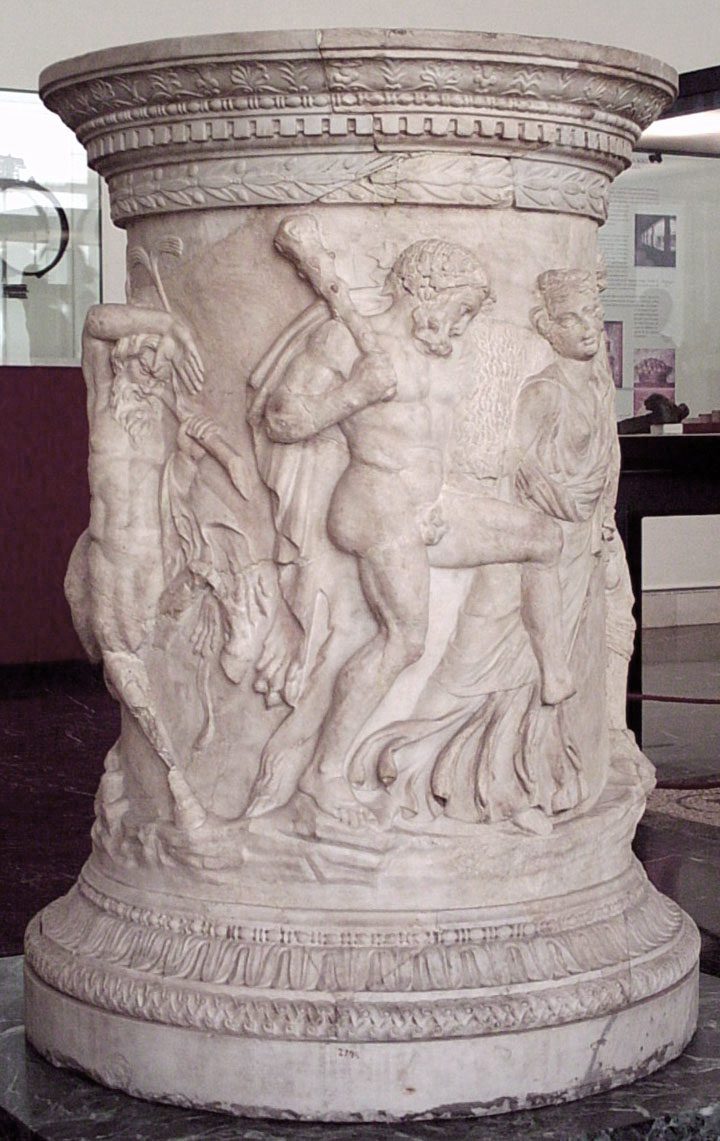
In Roman mythology, Fontus is a lesser-known deity associated with springs and wells. His name is derived from the Latin word for fountain, “fons.” Fontus embodies the vital essence of fresh water, which was crucial for both agricultural and urban life in ancient Rome. Water sources were sacred to the Romans, and they believed that the gods controlled these vital resources. Fontus was often invoked to ensure that the water supply remained abundant and pure. He was particularly significant to the Romans because of their reliance on aqueducts and fountains, which were essential for the city’s infrastructure.
The Role of Fontus in Roman Culture
Fontus played a significant role in the daily lives of the Romans. The availability of fresh water was essential for drinking, cooking, and sanitation. Romans often built elaborate aqueducts to transport water from distant sources into their cities. Fontus was worshipped as a protector of these water sources. Romans believed that by honoring Fontus, they could ensure a steady supply of water for their communities. Many rituals and offerings were dedicated to him, particularly at springs and wells, where people would leave tokens or small gifts to gain his favor.
 Fornax
In Roman culture, water was not just a physical necessity but also held spiritual significance. Fontus represented purity and life, and his presence was often felt in natural water sources. Romans believed that the waters of springs and wells were imbued with divine qualities, and by honoring Fontus, they could harness these benefits. This connection between water and spirituality made Fontus an important figure in various religious practices and community events, particularly during festivals dedicated to nature and fertility.
Worship and Rituals Associated with Fontus
The worship of Fontus included various rituals aimed at ensuring the purity and abundance of water sources. One common practice was the libation, where offerings of wine or other liquids were poured onto the ground or into the water to honor the deity. This act was believed to appease Fontus and encourage him to bless the waters. Additionally, Romans often held ceremonies at springs and wells, where priests would perform rituals to invoke Fontus’s protection over the water supply.
 Fortuna
Fontus was also associated with the Fontinalia, a festival dedicated to the deities of springs and wells. This festival typically took place in late October and involved various rituals, including the decoration of water sources with flowers and greenery. Participants would offer prayers and sacrifices to Fontus, asking for his blessings on their water supply. The Fontinalia was a time for the community to come together and celebrate the importance of water in their lives.
Symbolism and Iconography of Fontus
Fontus is often depicted in Roman art and literature as a youthful figure, symbolizing the vitality and freshness of water. He is sometimes shown holding a cornucopia, a symbol of abundance, which represents the life-giving properties of water. In some representations, Fontus is accompanied by other water deities, highlighting his connection to the broader pantheon of Roman gods associated with nature and fertility.
The iconography of Fontus often includes elements associated with water, such as fish or shells, which emphasize his dominion over springs and wells. These symbols serve to remind the Romans of the importance of water in their daily lives and the need to respect and honor the sources of this vital resource. Through art and literature, Fontus became a symbol of the relationship between the Romans and their environment, illustrating the significance of water in their culture.
 Fraus
FrausFontus and the Roman Pantheon
While Fontus may not be as well-known as other Roman deities like Jupiter or Neptune, he occupies a unique place within the Roman pantheon. He is often associated with other water gods, such as Aqua, the goddess of water, and the nymphs who protected specific springs and rivers. This connection highlights the importance of water in Roman mythology and the belief that various deities played a role in overseeing the natural world.
Fontus’s role as a protector of springs and wells aligns him with the agricultural deities of Rome. Water was essential for farming, and the fertility of the land depended on a reliable water supply. By honoring Fontus, farmers hoped to ensure that their crops received the necessary hydration. This connection between Fontus and agriculture illustrates the intertwined nature of Roman religious practices and their dependence on the environment.
Fontus in Literature and Historical Texts
Fontus appears in various Roman literary works, often referenced in the context of rituals and religious practices. Ancient authors like Ovid and Pliny the Elder mentioned Fontus in their writings, highlighting the importance of water sources in Roman society. These texts provide insight into how the Romans viewed their relationship with the natural world and the deities they believed governed it.
In addition to literary references, historical texts also document the rituals and festivals dedicated to Fontus. These accounts reveal the significance of water in Roman culture and the lengths to which people would go to honor their deities. The descriptions of ceremonies and offerings provide a glimpse into the daily lives of Romans and their reverence for the natural elements that sustained them.
Modern Interpretations of Fontus
In contemporary discussions of mythology and religion, Fontus serves as a reminder of the ancient Romans’ deep connection to nature. His association with water highlights the importance of environmental stewardship and the need to protect our natural resources. As modern societies face challenges related to water scarcity and pollution, the lessons from Fontus’s worship can inspire efforts to promote sustainability and respect for the environment.
Moreover, Fontus’s story can be seen as a reflection of the universal human experience of relying on nature for survival. The rituals and beliefs surrounding Fontus remind us of the interconnectedness of all living things and the vital role that natural resources play in our lives. By studying figures like Fontus, we can gain a deeper understanding of the values and beliefs that shaped ancient cultures and continue to influence our relationship with the environment today.
The Legacy of Fontus in Roman Mythology
Although Fontus may not be as prominent as other Roman deities, his legacy endures in the cultural memory of ancient Rome. The worship of Fontus underscores the Romans’ profound respect for water and its life-giving properties. His presence in rituals and festivals highlights the significance of water in sustaining both individuals and communities.
Fontus’s legacy can also be seen in the architectural marvels of ancient Rome, such as aqueducts and public fountains. These structures not only provided essential water supplies but also served as symbols of Roman engineering and ingenuity. The continued appreciation for these historical landmarks reflects the enduring impact of Fontus and the importance of water in the development of Roman civilization.
Fontus and the Environment
Fontus’s association with water invites reflection on our modern relationship with the environment. As we face increasing challenges related to climate change and water scarcity, the lessons from Fontus’s worship remind us of the need to honor and protect our natural resources. The Romans recognized the importance of water in their lives, and their reverence for Fontus serves as a model for contemporary environmental stewardship.
By acknowledging the significance of water and its sources, we can work towards sustainable practices that ensure the availability of clean water for future generations. Fontus’s legacy encourages us to foster a sense of responsibility towards our environment, recognizing that our well-being is intricately connected to the health of our natural resources.
Conclusion: Fontus as a Symbol of Sustainability
Fontus embodies the essential relationship between humans and water, serving as a powerful symbol of sustainability. His worship in ancient Rome highlights the importance of respecting and honoring the natural world. In our modern context, the lessons from Fontus’s story can inspire efforts to promote environmental conservation and sustainability.
As we navigate the challenges of the 21st century, we can look to figures like Fontus for guidance in our relationship with nature. By recognizing the value of water and the need to protect our resources, we can ensure a healthier planet for ourselves and future generations. Fontus serves as a reminder of the interconnectedness of all living beings and the vital role that nature plays in our lives.