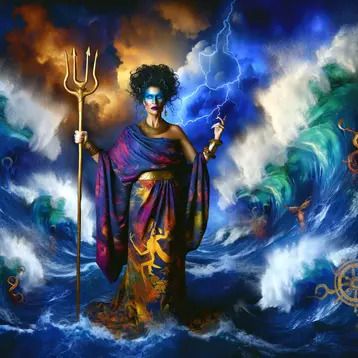
Eurybia is a fascinating figure in Greek mythology, often associated with the sea and its various aspects. She is known as the goddess of the mastery of the seas and the personification of the power that governs oceanic forces. Her name itself suggests a wide-ranging influence over the waters, which was a critical element in ancient Greek culture. The Greeks, who were skilled sailors and fishermen, revered the sea and its deities. Thus, Eurybia holds an important place in the pantheon of Greek mythology, representing not just the physical aspect of the sea but also its unpredictable nature.
The Origins of Eurybia
Eurybia is often considered a daughter of Gaia (the Earth) and Pontus (the sea). This lineage connects her directly to two powerful elemental forces in Greek mythology. Gaia represents the earth and stability, while Pontus symbolizes the vastness and mystery of the ocean. This duality gives Eurybia a unique position among the gods and goddesses, as she embodies both the nurturing aspects of the earth and the unpredictable nature of the sea. The blend of these two elements in her origin story illustrates the ancient Greeks’ understanding of nature’s balance.
 Eurydice
Her siblings include notable figures such as Nereus, the old man of the sea, and the Nereids, who are sea nymphs. This family connection further emphasizes her ties to the sea and its various manifestations. Eurybia’s heritage not only positions her as a powerful deity but also reflects the importance of familial relationships in Greek mythology. These relationships often determine the roles and powers of the gods, and Eurybia’s connections grant her a significant influence over maritime matters.
Eurybia’s Role in Greek Mythology
In Greek mythology, Eurybia is often seen as a lesser-known deity compared to more prominent figures like Poseidon, the god of the sea. However, her role is nonetheless crucial, especially in the context of understanding the various aspects of the ocean. Eurybia represents the mastery and control over the chaotic forces of the sea, showcasing the ancient Greeks’ respect for the ocean’s power. Sailors and fishermen would often invoke her name, hoping to gain her favor for safe passage and bountiful catches.
Her influence extends beyond just the physical sea. Eurybia also symbolizes the natural order and balance that must be maintained in the world. The Greeks believed that the sea could be both a giver and a taker, providing sustenance but also posing dangers. Eurybia’s mastery over the sea implies that she can help maintain this balance, making her an essential figure in the lives of those who depended on the ocean.
 Eurynome
Her Relationship with Other Deities
- Poseidon: As the primary god of the sea, Poseidon holds a significant position in Greek mythology. While he is often seen as the ruler of the ocean, Eurybia complements his power with her unique mastery over its various aspects.
- Gaia: Eurybia’s mother represents the earth and stability, creating a balance between land and sea. This relationship highlights the interconnectedness of different natural elements in Greek mythology.
- Pontus: As her father, Pontus symbolizes the vastness of the ocean, further emphasizing Eurybia’s connection to the sea’s depths and mysteries.
The relationships Eurybia shares with these deities illustrate the complex dynamics within the pantheon of Greek gods. Each deity plays a unique role, contributing to the overall harmony and balance of nature. Eurybia’s specific mastery over the seas allows her to work in conjunction with other gods, enhancing their powers and ensuring that the natural order is maintained.
Eurybia in Literature and Art
While Eurybia may not be as well-known as other deities, she has made appearances in various forms of literature and art. Ancient texts occasionally reference her, highlighting her significance in maritime contexts. For example, sailors would tell stories of Eurybia to explain the changing tides or the behavior of sea creatures. These narratives helped to personify the ocean’s mysteries, making them more relatable to the people who depended on the sea for their livelihoods.
In art, Eurybia is sometimes depicted alongside other sea deities, often represented with symbols associated with the ocean. These symbols can include waves, fish, and other marine life. Artists in ancient Greece would often explore the theme of the sea in their work, and Eurybia’s presence adds depth to these representations. By including her in their art, they acknowledged her influence and power over the ocean’s vastness.
 Eurystheus
Symbolism of Eurybia
- Control: Eurybia embodies the mastery over the sea, representing the ability to navigate its challenges.
- Balance: She symbolizes the harmony between the elements of earth and water, showcasing the importance of equilibrium in nature.
- Protection: Sailors and fishermen often sought her protection, believing she could ensure safe journeys across the sea.
The symbolism associated with Eurybia extends beyond mere representation. It speaks to the ancient Greeks’ understanding of the natural world and their need to find meaning in the forces that surrounded them. By attributing qualities such as control and balance to Eurybia, they acknowledged the dual nature of the sea as both a source of life and a potential threat.
The Worship of Eurybia
The worship of Eurybia was not as widespread as that of other deities like Poseidon or Athena. However, she was still honored in certain coastal regions of Greece, where the sea played a crucial role in daily life. Fishermen and sailors would offer prayers and sacrifices to Eurybia, seeking her favor before embarking on their journeys. These rituals often involved offerings of fish or other sea-related items, symbolizing respect for her power.
In some cases, local festivals would include tributes to Eurybia, celebrating her role in ensuring bountiful catches and safe travels. These festivals were essential for fostering a sense of community among those who relied on the sea. By coming together to honor Eurybia, they reinforced their connection to one another and to the ocean that sustained them.
Rituals and Offerings
- Prayers: Sailors would often recite prayers to Eurybia before setting sail, seeking her guidance and protection.
- Offerings: Common offerings included fish, shells, and other marine life, symbolizing gratitude for her blessings.
- Festivals: Coastal towns might host festivals in her honor, celebrating the sea’s abundance and the community’s reliance on it.
These rituals reflect the deep-seated respect the ancient Greeks had for the sea and its deities. By honoring Eurybia, they acknowledged the role she played in their lives and sought to maintain a harmonious relationship with the natural world.
Modern Interpretations of Eurybia
In contemporary culture, Eurybia may not be as recognized as other mythological figures, but her essence can still be felt. Many modern interpretations of Greek mythology explore the themes of nature, balance, and the power of the ocean. Eurybia’s representation as a goddess of the sea resonates with ongoing discussions about environmentalism and the importance of respecting natural resources.
Art, literature, and even popular media occasionally draw inspiration from Eurybia’s character. In literature, authors may reference her to evoke the complexities of the sea and its dual nature. In art, modern depictions of Eurybia can be seen in various forms, often highlighting her connection to the ocean and its beauty. This resurgence of interest in mythological figures like Eurybia showcases the timeless nature of these stories and their relevance to contemporary society.
Environmental Themes
- Ocean Conservation: Eurybia’s connection to the sea can inspire discussions about the importance of protecting marine ecosystems.
- Balance in Nature: Her symbolism of balance serves as a reminder of the need to maintain harmony within our environment.
- Respect for Nature: Eurybia embodies the respect ancient Greeks had for the sea, which can be echoed in modern environmental efforts.
The modern interpretations of Eurybia can serve as a bridge between ancient beliefs and contemporary values. By revisiting her story, we can gain insight into the importance of our relationship with nature and the need to respect the forces that shape our world.
Eurybia, though lesser-known, remains a significant figure in Greek mythology, representing the mastery of the seas and the delicate balance of nature. Her origins, role in mythology, and worship practices highlight the ancient Greeks’ respect for the ocean and its power. In modern times, her legacy continues to inspire discussions about environmentalism and the importance of maintaining harmony with the natural world. By exploring Eurybia’s character, we can gain a deeper understanding of the complexities of both mythology and our relationship with the sea.