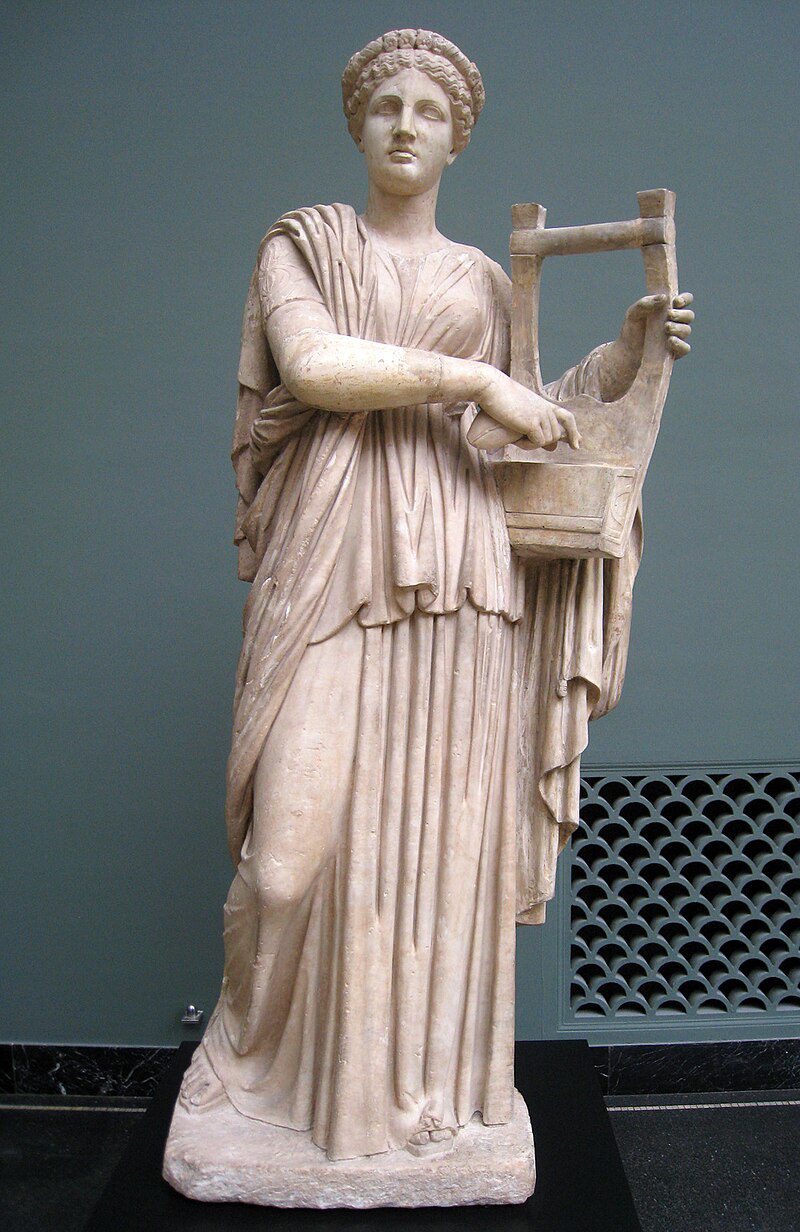
In the rich tapestry of Greek mythology, Erato stands out as one of the nine Muses. Each Muse is associated with a specific domain of the arts and sciences, and Erato is the Muse of lyric poetry, particularly that which is romantic and love-themed. Her name derives from the Greek word “eratos,” meaning “lovely” or “desired.” This connection to beauty and love has made her an enduring symbol in literature and art. In this article, we will explore the various aspects of Erato, including her origins, her role in mythology, and her lasting impact on culture.
Origins of Erato
The origins of Erato can be traced back to ancient Greek beliefs about the Muses. According to mythology, the Muses are the daughters of Zeus, the king of the gods, and Mnemosyne, the goddess of memory. Erato, like her sisters, was born on Mount Olympus, the home of the gods. Each Muse was responsible for inspiring different forms of artistic expression. Erato specifically inspired poets and musicians to create works that express the beauty and complexity of love. This role was vital in ancient Greek culture, where poetry and music were essential forms of communication and storytelling.
 Erebus
Erato is often depicted in art holding a lyre, a stringed musical instrument closely associated with poetry and music in ancient Greece. The lyre symbolizes her connection to lyrical poetry, which often explores themes of love and desire. In various artistic representations, she is shown surrounded by symbols of love, such as roses or hearts. These images emphasize her role as the Muse who inspires feelings of romance and affection. Her presence in the arts highlights the importance of love in human experience and creativity.
Erato in Mythology
In Greek mythology, Erato is often mentioned alongside her fellow Muses. The Muses were believed to reside on Mount Helicon, where they would gather to inspire poets, artists, and philosophers. Erato, as the Muse of lyric poetry, played a crucial role in the creation of works that celebrated love and beauty. Poets would often invoke her name at the beginning of their works, seeking her inspiration to craft verses that resonated with the emotions of love. This practice reflects the deep respect and reverence ancient Greeks had for the Muses.
Erato’s influence extended beyond poetry to other forms of artistic expression. For instance, many ancient Greek plays incorporated themes of love and romance, and the characters often appealed to Erato for guidance in their relationships. The stories told in these plays were not only entertaining but also served as moral lessons about the nature of love, desire, and human relationships. By inspiring these narratives, Erato contributed to the rich cultural heritage of Greece, emphasizing the importance of love in society.
 Erechtheus
Symbols Associated with Erato
As the Muse of lyric poetry, Erato is associated with several symbols that represent her domain. One of the most prominent symbols is the lyre. The lyre is a stringed instrument that was widely used in ancient Greece for both music and poetry. It is often depicted in artwork alongside Erato, illustrating her connection to the musical aspects of poetry. The lyre embodies the harmony and beauty that characterize lyrical poetry, making it a fitting symbol for her.
Another symbol associated with Erato is the rose. The rose is a classic symbol of love and beauty, reflecting the themes that Erato inspires in poetry. Roses are often depicted in art and literature as emblems of romantic love, making them a natural fit for the Muse who embodies these ideals. The presence of roses in depictions of Erato serves to reinforce her role as the inspirer of love poetry and romantic expression.
Additional Symbols
- Scrolls: Representing knowledge and literature.
- Hearts: Symbolizing love and affection.
- Birds: Often associated with love, representing freedom and beauty.
These symbols work together to create a rich visual language that communicates Erato’s essence. Artists throughout history have drawn upon these symbols to convey the themes of love and beauty that she represents. By incorporating these elements into their works, they honor the Muse and celebrate the enduring power of love in human creativity.
 Erichthonius
Erato’s Influence on Literature
Erato’s impact on literature is profound and far-reaching. Many poets and writers throughout history have sought her inspiration to craft works that explore the complexities of love. In ancient Greece, poets such as Sappho and Pindar often called upon Erato to guide their pens as they wrote verses celebrating love and desire. Sappho, in particular, is renowned for her passionate poetry that delves into themes of love and longing. Her work exemplifies the kind of lyrical expression that Erato inspires.
Beyond ancient Greece, Erato’s influence can be seen in the works of later poets and authors. The Renaissance period, for example, witnessed a resurgence of interest in classical themes, including love and beauty. Poets like Shakespeare and John Keats drew upon the traditions established by the ancient Greeks, invoking the spirit of Erato in their own works. The exploration of romantic love became a central theme in their poetry, showcasing the enduring legacy of the Muse.
Modern Interpretations
- Contemporary Poetry: Many modern poets continue to explore themes of love, often referencing the Muses, including Erato.
- Popular Music: Lyricists in genres such as pop and rock frequently draw inspiration from romantic themes, echoing Erato’s influence.
- Visual Arts: Artists today still depict Erato and her symbols, showcasing the lasting impact of her character.
Even in contemporary literature, Erato’s essence lives on. Modern writers often find themselves inspired by her legacy, creating works that reflect the timeless nature of love and desire. Whether through poetry, prose, or song, Erato continues to be a guiding force for artists exploring the intricacies of human emotion.
Erato in Art
Throughout history, Erato has been depicted in various forms of art, from ancient pottery to Renaissance paintings. Artists have sought to capture her essence and the beauty she represents. In many classical artworks, Erato is portrayed alongside her sisters, each Muse embodying a different aspect of the arts. These depictions often highlight the collaborative nature of creativity, where different forms of artistic expression come together to celebrate beauty and inspiration.
One notable example of Erato’s representation can be found in the works of Michelangelo and other Renaissance artists, who often included the Muses in their paintings and sculptures. These artists recognized the importance of the Muses in inspiring creativity and sought to honor them through their art. Erato, with her lyre and symbols of love, was frequently included in these works, serving as a reminder of the power of love in the artistic process.
Artistic Representations
- Statues: Sculptures of Erato often depict her with a lyre and surrounded by symbols of love.
- Paintings: Many artists have portrayed Erato in allegorical scenes, emphasizing her role as an inspirer of poetry.
- Literary Illustrations: Illustrators of poetry books have often included images of Erato to evoke the themes of love and beauty.
The presence of Erato in art serves as a visual reminder of the enduring nature of love and creativity. Artists continue to draw upon her symbolism to convey the emotions associated with romance and desire, ensuring that her legacy remains vibrant in the world of art.
Erato’s Legacy
Erato’s legacy extends far beyond ancient Greece. As the Muse of lyric poetry, she has influenced countless artists, poets, and musicians throughout history. Her role as an inspirer of love and beauty has made her an enduring figure in the arts. The themes of love and desire that she embodies continue to resonate with people today, making her relevance timeless.
In literature, the exploration of love remains a central theme, with writers drawing inspiration from Erato’s essence. Her influence can be seen in various genres, from classic poetry to contemporary novels. The emotional depth and complexity of love are often captured in ways that echo the lyrical expressions of ancient poets. This connection to Erato underscores the universality of love as a human experience.
Influence on Modern Culture
- Music: Love songs and ballads often reflect the themes inspired by Erato.
- Film: Romantic films frequently explore the complexities of love, drawing upon the emotional depth associated with Erato.
- Social Media: Platforms often celebrate love and relationships, echoing the themes that Erato inspires.
In modern culture, Erato’s influence is palpable in the way love is celebrated and expressed. From music to literature and even social media, the themes of romance and desire continue to inspire creativity. Erato’s legacy serves as a reminder of the profound impact that love has on the human experience, encouraging artists to explore these emotions in their work.
In the grand narrative of Greek mythology, Erato occupies a special place as the Muse of lyric poetry. Her influence on literature, art, and culture is profound, inspiring generations of artists to explore the themes of love and beauty. Through her symbols, stories, and the enduring power of her essence, Erato continues to be a guiding force for those seeking to express the complexities of human emotion. As we celebrate love in all its forms, we honor Erato and the timeless legacy she represents.