In Greek mythology, Erichthonius is a fascinating figure often associated with the city of Athens. He is a legendary king, known for his unique origins and connection to the goddess Athena. Erichthonius is not just an ordinary mortal; his story intertwines with themes of creation, transformation, and the divine. Understanding Erichthonius requires a look at his background, his relationship with Athena, and his significance in Athenian culture.

Origins of Erichthonius
The story of Erichthonius begins with the goddess Athena. According to myth, Hephaestus, the god of blacksmiths, attempted to force himself upon Athena. In a twist of fate, his seed fell to the ground, leading to the creation of Erichthonius. This unusual conception highlights the intertwining of divine and earthly elements, setting the stage for Erichthonius’s extraordinary life. The birth of Erichthonius symbolizes the blending of gods and mortals, a common theme in Greek mythology.
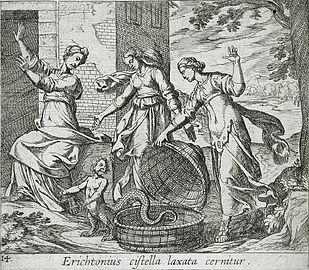
After his unusual birth, Erichthonius was placed in a box and given to the daughters of Cecrops, the first king of Athens, with specific instructions from Athena to never open it. The daughters, driven by curiosity, eventually opened the box, only to find a serpent-like creature inside. This shocking discovery led to madness and tragedy for the sisters, emphasizing the consequences of defying divine orders. This moment is crucial in understanding Erichthonius’s character and the divine protection surrounding him.
Erichthonius and Athena
Erichthonius’s relationship with Athena is central to his identity. As the daughter of Zeus, Athena is a symbol of wisdom and warfare, and her influence on Erichthonius is profound. After the tragic fate of his caretakers, Athena took Erichthonius under her wing, raising him as her own. This nurturing relationship signifies the importance of divine favor and guidance in Greek mythology. Athena’s role in Erichthonius’s life showcases her protective nature and her commitment to the city of Athens.
 Erinys
Erichthonius eventually became a ruler of Athens, and his reign is often associated with significant advancements. Under his leadership, the city flourished, and he is credited with introducing various cultural and religious practices. The establishment of the Panathenaic Festival is one of his most notable contributions. This festival celebrated Athena and reinforced the city’s devotion to her, further solidifying Erichthonius’s legacy as a key figure in Athenian history.
Symbolism and Significance
Erichthonius represents several important themes in Greek mythology. His birth from the earth symbolizes the connection between the divine and the natural world. This theme is prevalent in many myths, where characters often embody the traits of both gods and mortals. Erichthonius’s serpent-like form also signifies transformation and the duality of life. The serpent is a potent symbol in various cultures, often representing wisdom, healing, and rebirth.
Additionally, Erichthonius’s association with Athena highlights the importance of wisdom and strategy in leadership. Unlike many heroes who rely on brute strength, Erichthonius is a reminder that intelligence and cunning can lead to success. His reign is marked by advancements in agriculture and technology, showcasing how a wise ruler can positively impact society. This aspect of his character serves as an important lesson in the value of intellect over violence.
 Eris
ErisErichthonius in Art and Literature
The figure of Erichthonius has inspired various forms of art and literature throughout history. Ancient Greek artists often depicted him in sculptures and pottery, emphasizing his connection to Athena and his serpent-like features. These artistic representations served not only as a celebration of his legacy but also as a reminder of the divine origins that shaped his identity. The visual arts played a crucial role in preserving the stories of Greek mythology and ensuring that figures like Erichthonius remained in the collective memory of the people.
In literature, Erichthonius appears in several ancient texts, including the works of Herodotus and Pausanias. These writers often explored his significance within Athenian culture, emphasizing his role as a foundational figure. His story is intertwined with the identity of Athens, and he is often invoked in discussions about the city’s origins and its relationship with the gods. The literary tradition surrounding Erichthonius reflects the broader themes of Greek mythology, such as fate, divine intervention, and the complexities of human existence.
Erichthonius and the Athenian Identity
Erichthonius’s legacy is deeply rooted in the identity of Athens. As a king who embraced the values of wisdom and innovation, he became a symbol of what it meant to be Athenian. The establishment of the Panathenaic Festival in his honor reinforced the city’s commitment to Athena and its cultural heritage. This festival became a vital part of Athenian life, bringing together citizens to celebrate their shared identity and devotion to the goddess. Through Erichthonius, the Athenians found a connection to their past and a source of inspiration for their future.
Moreover, Erichthonius’s story serves as a reminder of the importance of divine favor in Athenian society. The Athenians believed that their prosperity was linked to their relationship with the gods, and Erichthonius embodied this connection. His dual nature as both a mortal and a creature of the earth highlighted the idea that humans are part of a larger cosmic order. This belief influenced the way Athenians approached their lives, their governance, and their understanding of fate.
Modern Interpretations of Erichthonius
In modern times, the figure of Erichthonius has been reinterpreted in various ways. Scholars and artists have explored his story through different lenses, examining themes of identity, transformation, and the relationship between humanity and the divine. These interpretations often reflect contemporary concerns and challenges, showcasing the enduring relevance of Greek mythology. Erichthonius serves as a case study for understanding how ancient myths can inform modern perspectives on leadership and community.
Additionally, Erichthonius’s connection to Athena has been reexamined in feminist discourse. Scholars have explored how Athena’s role as a protector and mentor to Erichthonius reflects broader themes of female empowerment and agency. The dynamic between the two figures highlights the complexities of gender in mythology, challenging traditional narratives that often prioritize male heroes. This modern interpretation encourages a deeper understanding of the roles that women played in shaping mythological narratives and societal values.
Conclusion of Erichthonius’s Legacy
Erichthonius remains a captivating figure in Greek mythology, embodying the intricate connections between gods and mortals. His unique origins, relationship with Athena, and contributions to Athenian culture make him a symbol of wisdom and innovation. The enduring legacy of Erichthonius serves as a reminder of the rich tapestry of Greek mythology and its relevance to contemporary society. Through his story, we can explore themes of identity, transformation, and the importance of divine favor in shaping the human experience.
As we continue to study and interpret the myths of ancient Greece, figures like Erichthonius remind us of the power of storytelling. These narratives have the ability to transcend time, offering insights into the human condition and the complexities of existence. Erichthonius’s story, rooted in the soil of Athens and intertwined with the divine, continues to inspire and provoke thought, ensuring that his legacy endures for generations to come.