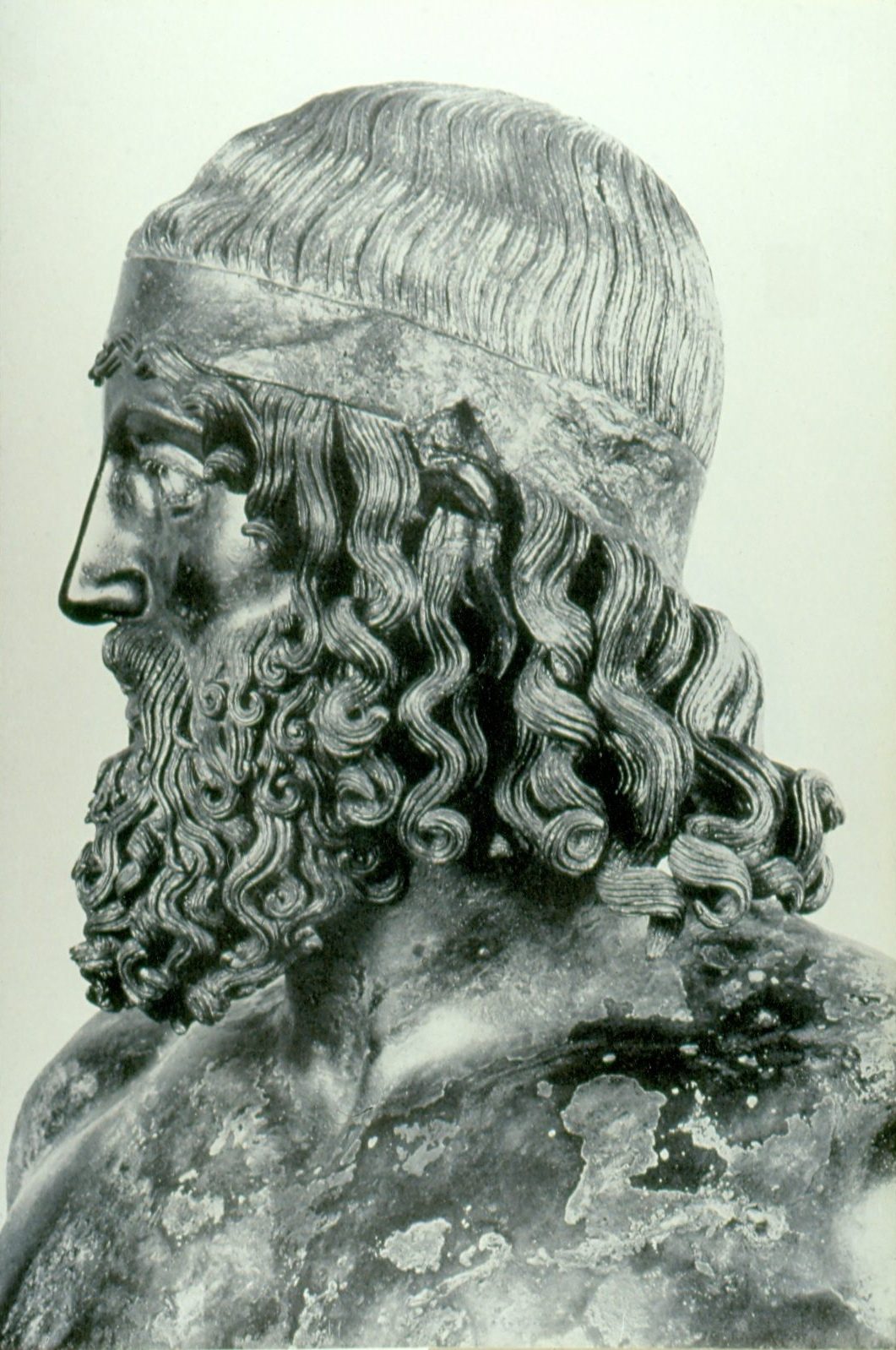
Erechtheus is a significant figure in Greek mythology, known for his connections to the city of Athens and the ancient gods. He is often regarded as a king of Athens and is associated with various myths that highlight his importance in the region’s religious and cultural history. His story is intertwined with the worship of Athena, the goddess of wisdom, and he plays a crucial role in the city’s origin myths. Understanding Erechtheus provides insight into how the ancient Greeks viewed their rulers and the divine.
The Mythological Background of Erechtheus
The myths surrounding Erechtheus are rich and complex, revealing much about the values and beliefs of ancient Greeks. According to various sources, Erechtheus was said to be born from the earth itself, a testament to his deep connection with the land of Athens. This connection made him a symbol of the city’s strength and resilience. His birth from the soil signifies the importance of agriculture and the natural world to the Athenians, highlighting their reliance on the land for sustenance and survival.
 Erichthonius
In many accounts, Erechtheus is depicted as a wise and just ruler who prioritized the welfare of his people. He is often shown in myths as a protector of Athens, defending the city from various threats. One of the most famous stories involves his conflict with the Thracian king Eumolpus, who sought to conquer Athens. This conflict not only illustrates Erechtheus’s bravery but also serves as a narrative device to highlight the city’s divine favor and protection.
Key Characteristics of Erechtheus
- Divine Connection: Erechtheus is often associated with the goddess Athena, who was believed to have a special relationship with the city.
- Heroic Qualities: He is depicted as a courageous leader, willing to fight for his city and its people.
- Symbol of Fertility: His birth from the earth emphasizes the themes of fertility and agricultural prosperity.
- Mythical Lineage: Erechtheus is often connected to other mythological figures, enhancing his importance in Greek lore.
These characteristics not only define Erechtheus as a mythological figure but also reflect the values that the ancient Greeks held dear. His divine connection suggests that rulers were seen as chosen by the gods, emphasizing the belief in divine right and favor. The heroic qualities attributed to Erechtheus resonate with the ideals of bravery and sacrifice, traits that were highly respected in ancient Greek culture.
Erechtheus and the City of Athens
Athens, one of the most significant city-states in ancient Greece, is closely linked to the figure of Erechtheus. His reign is often described as a golden age for the city, marked by prosperity and cultural achievements. The stories of Erechtheus contribute to the mythological foundation of Athens, providing a sense of identity and continuity for its citizens. His legacy is evident in various cultural practices, including festivals and rituals dedicated to him.
 Furies
One of the most notable sites associated with Erechtheus is the Erechtheion, a temple on the Acropolis of Athens. This temple was dedicated to both Athena and Erechtheus, symbolizing their intertwined fates. The Erechtheion housed sacred relics and was a place of worship, reflecting the city’s reverence for both the goddess and its legendary king. The architectural design of the temple, with its unique features, also represents the artistic achievements of the time.
Significance of the Erechtheion
- Architectural Marvel: The Erechtheion is known for its distinctive structure and intricate details.
- Religious Importance: It served as a center for worship, emphasizing the connection between the divine and the city.
- Cultural Heritage: The temple is a symbol of Athenian identity and pride, reflecting their history and mythology.
The Erechtheion not only serves as a physical reminder of Erechtheus’s legacy but also as a cultural touchstone for the Athenians. It encapsulates the city’s devotion to its gods and its mythological past, reinforcing the idea that the divine is intricately linked to the everyday lives of its citizens. This connection between the temple and Erechtheus illustrates how mythology and architecture worked hand in hand to create a sense of place and identity for the people of Athens.
The Role of Erechtheus in Athenian Mythology
Erechtheus plays a multifaceted role in Athenian mythology, acting as both a king and a representation of the city’s values. His stories often serve as moral lessons, teaching the importance of bravery, wisdom, and respect for the gods. As a king, Erechtheus embodies the ideal leader, someone who is not only powerful but also deeply connected to his people and their needs.
 Erinys
In one of the most famous myths, Erechtheus is faced with a dire prophecy that predicts the destruction of his city if he does not sacrifice one of his daughters. This story illustrates the themes of sacrifice and duty, as Erechtheus ultimately chooses to protect his city, even at a great personal cost. This act of selflessness has resonated through the ages, highlighting the complexities of leadership and the burdens that come with it.
Lessons from Erechtheus’s Myth
- Sacrifice for the Greater Good: The story emphasizes the importance of prioritizing the welfare of the community.
- Strength in Adversity: Erechtheus’s challenges demonstrate resilience in the face of hardship.
- Divine Will: The influence of the gods in human affairs is a recurring theme in Greek mythology.
These lessons from Erechtheus’s myth not only reflect the values of ancient Athens but also resonate with universal themes that are relevant even today. The idea of sacrifice for the greater good remains a powerful narrative in many cultures, underscoring the importance of community and the responsibilities that come with leadership. Erechtheus serves as a reminder that true strength lies in the willingness to put others before oneself.
Erechtheus in Literature and Art
The figure of Erechtheus has inspired numerous works of art and literature throughout history. In ancient times, playwrights and poets drew upon his stories to convey themes of heroism, sacrifice, and the divine. These narratives were often performed in theaters, where audiences could reflect on the moral lessons embedded in the tales. The legacy of Erechtheus continues to influence modern interpretations of Greek mythology, demonstrating the enduring power of these ancient stories.
One of the most notable literary references to Erechtheus can be found in the works of Plato and Herodotus, who discuss the significance of the king in relation to Athenian identity. Their writings emphasize how Erechtheus’s actions and character shaped the values of the city. In visual art, Erechtheus is often depicted in scenes that highlight his bravery and connection to the divine, reinforcing his status as a legendary figure in Athenian culture.
Artistic Representations
- Sculptures: Many sculptures from ancient Greece depict Erechtheus in heroic poses, symbolizing his strength and valor.
- Pottery: Vases and pottery often feature scenes from his myths, illustrating key moments in his story.
- Paintings: Artists have created paintings that capture the essence of Erechtheus’s character and his relationship with the gods.
These artistic representations serve not only as historical artifacts but also as a means of exploring the cultural values of the time. They provide a glimpse into how ancient Greeks understood their myths and the figures within them. By studying these works, modern audiences can gain a deeper appreciation for the rich tapestry of Greek mythology and the enduring legacy of characters like Erechtheus.
The Enduring Legacy of Erechtheus
The legacy of Erechtheus extends beyond ancient Greece, influencing various aspects of culture, literature, and art throughout history. His story has been retold in countless ways, adapting to different contexts while maintaining the core themes of sacrifice, bravery, and divine favor. This adaptability speaks to the universal appeal of his character and the moral lessons embedded in his myths.
In contemporary discussions of leadership and ethics, the lessons drawn from Erechtheus’s life remain relevant. His willingness to sacrifice for the greater good serves as a powerful reminder of the responsibilities that come with power. Modern leaders can learn from Erechtheus’s example, recognizing the importance of serving their communities and making difficult decisions for the benefit of others.
Modern Interpretations
- Literature: Many authors draw upon Erechtheus’s story to explore themes of sacrifice and duty in their works.
- Theater: Modern adaptations of ancient Greek plays often include references to Erechtheus, emphasizing his role in Athenian mythology.
- Education: His myths are studied in academic settings, offering insights into ancient Greek culture and values.
The continued exploration of Erechtheus in modern contexts reflects the lasting impact of Greek mythology on contemporary thought. By examining his story, individuals can engage with fundamental questions about leadership, ethics, and the relationship between humanity and the divine. Erechtheus remains a powerful symbol of the complexities of human existence and the enduring nature of myth.
Erechtheus and the Pantheon of Greek Gods
Erechtheus’s story is intricately linked to the pantheon of Greek gods, particularly Athena. Their relationship exemplifies the close ties between the divine and the mortal realm in Greek mythology. Erechtheus is often portrayed as a champion of Athena, embodying the virtues that the goddess represents. This connection reinforces the idea that rulers were seen as chosen by the gods, tasked with upholding divine principles in their leadership.
Athena’s influence on Erechtheus is evident in various myths, where she provides guidance and support during his reign. Their partnership symbolizes the ideal relationship between a ruler and the divine, highlighting the importance of wisdom and justice in governance. The worship of Athena, often intertwined with the veneration of Erechtheus, reflects the Athenian commitment to their patron goddess and the values she embodies.
Divine Favor and Leadership
- Guidance from the Gods: The relationship between Erechtheus and Athena illustrates the belief in divine guidance for leaders.
- Protection of the City: Erechtheus’s role as a protector emphasizes the importance of safeguarding the community.
- Symbol of Virtue: Erechtheus serves as a model for ideal leadership, reflecting the values of wisdom and courage.
The interplay between Erechtheus and the gods underscores the significance of divine favor in ancient Greek society. Leaders were expected to embody the qualities of the deities they served, and Erechtheus’s close relationship with Athena exemplifies this expectation. The myths surrounding him not only highlight the responsibilities of leadership but also serve as a reminder of the interconnectedness of the mortal and divine realms in Greek thought.
Conclusion of the Erechtheus Myth
As a legendary figure in Greek mythology, Erechtheus stands as a testament to the values and beliefs of ancient Athens. His stories reflect the importance of sacrifice, bravery, and the connection between humanity and the divine. Through his legacy, Erechtheus continues to inspire and teach valuable lessons about leadership and the responsibilities that come with power. His enduring presence in literature, art, and modern discussions serves as a reminder of the timeless nature of myth and its ability to resonate across generations.
Erechtheus is more than just a king of Athens; he represents the ideals that the ancient Greeks held dear. His connection to the land, the city, and the gods emphasizes the intertwined nature of human existence and the divine. The myths surrounding him continue to captivate audiences, offering insights into the complexities of leadership and the moral dilemmas faced by those in power. Erechtheus remains a significant figure in the rich tapestry of Greek mythology, embodying the values and aspirations of a civilization that has profoundly influenced the course of history.