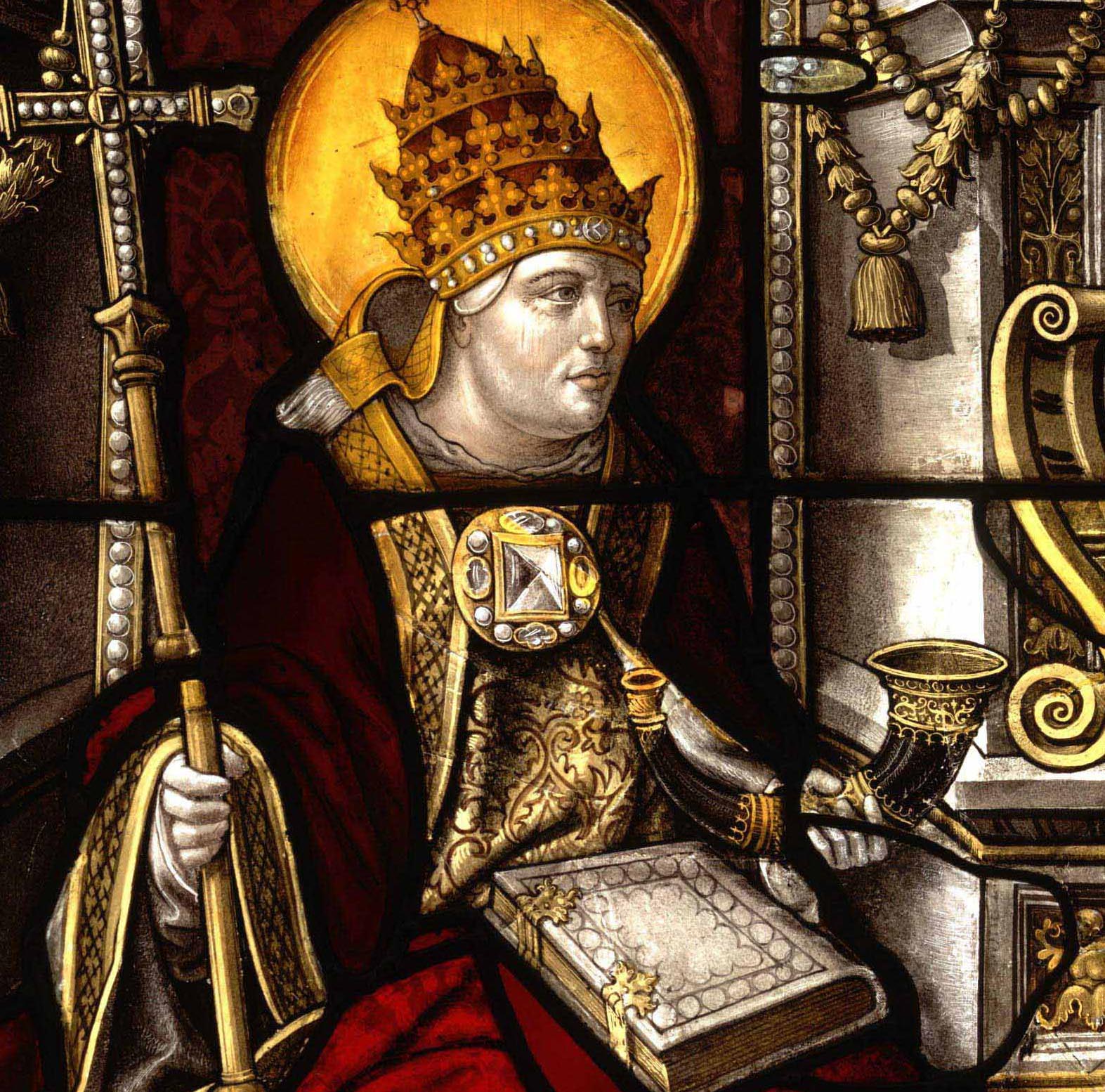
St. Pope Cornelius is a significant figure in the history of Christianity, particularly during the early Church period. He served as the Pope from 251 to 253 AD and is remembered for his leadership during a time of great persecution against Christians. His papacy occurred during the reign of the Roman Emperor Decius, who mandated that all citizens must perform a sacrifice to the Roman gods. This decree led to widespread persecution of Christians, many of whom were forced to choose between their faith and their lives. St. Cornelius is particularly noted for his compassion and efforts to reconcile those who had lapsed in their faith during this tumultuous period.
The Early Life of St. Pope Cornelius
St. Pope Cornelius was born into a Christian family, though little is known about his early life. Historical records do not provide specific details about his upbringing or education. However, it is believed that he was a man of deep faith from a young age. His commitment to Christianity likely grew as he witnessed the challenges faced by his fellow believers during the increasing Roman persecution. As he matured, Cornelius became actively involved in the Christian community, taking on roles that would prepare him for his future as a leader in the Church.
 St. Contardo Ferrini
Before becoming Pope, Cornelius served as a priest in Rome. His experience in this role allowed him to understand the needs of the Christian community. He was known for his ability to communicate effectively and provide spiritual guidance to those in need. Cornelius’s leadership qualities became apparent as he navigated the complexities of early Church dynamics, especially during a time when many Christians were struggling with their faith under pressure from the Roman authorities.
The Papacy of Cornelius
St. Cornelius became Pope during a critical juncture in Christian history. His papacy was marked by a series of challenges that tested his resolve and commitment to the faith. One of the primary issues he faced was the question of how to handle those Christians who had renounced their faith under persecution. Many believers, fearing for their lives, had offered sacrifices to pagan gods, and this led to significant divisions within the Church. Cornelius believed in the possibility of reconciliation for those who had lapsed, advocating for their return to the Church.
 St. Columba
Under Cornelius’s leadership, the Church began to establish guidelines for how to deal with those who had lapsed. He convened councils and sought the counsel of other bishops to address the matter. His approach was characterized by mercy and forgiveness, emphasizing the importance of love and community in the Christian faith. Cornelius’s stance on reconciliation was not without controversy, as some leaders in the Church disagreed with his leniency towards those who had renounced their faith. However, his commitment to inclusivity and understanding helped to heal rifts within the community.
Challenges During His Papacy
The reign of Pope Cornelius was fraught with external challenges as well. The Roman Empire was increasingly hostile towards Christians, leading to severe persecution. Many Christians were arrested, tortured, and executed for their beliefs. Cornelius himself was not immune to this hostility. He was eventually exiled from Rome due to his faith, a testament to the dangers faced by Christian leaders during this time. Despite these challenges, he remained steadfast in his commitment to the Church and its teachings.
During his papacy, Cornelius also faced the threat of schism within the Church. Some factions disagreed with his approach to the lapsed Christians, leading to a split in the community. The most notable of these factions was led by Novatian, a priest who advocated for a more rigorous stance against those who had renounced their faith. This conflict highlighted the tensions within the early Church and the differing interpretations of what it meant to be a Christian during a time of crisis.
 St. Colman Of Kilmacduagh
The Legacy of St. Pope Cornelius
St. Pope Cornelius is remembered not only for his leadership during a difficult period but also for his lasting impact on the Church. His approach to reconciliation and mercy set a precedent for how the Church would handle issues of faith and forgiveness in the future. His belief in the power of redemption resonated with many, and it helped to shape the Church’s understanding of grace. Cornelius’s teachings emphasized the importance of community and the need to support one another in times of struggle.
In addition to his contributions to Church doctrine, Cornelius is also celebrated as a martyr. His steadfastness in the face of persecution ultimately led to his death, making him a symbol of faith and courage for Christians. The recognition of his martyrdom has played a significant role in the way he is honored within the Church. His feast day is celebrated on September 16, and he is often invoked for intercession in times of trouble.
The Influence of St. Pope Cornelius on Later Christian Thought
The teachings and actions of St. Pope Cornelius have had a profound influence on Christian thought throughout history. His approach to dealing with those who lapsed during persecution laid the groundwork for later discussions about sin, repentance, and forgiveness. His belief that all people are capable of redemption has been echoed in the writings of many theologians and has shaped the way the Church views the concept of sin.
Moreover, Cornelius’s emphasis on community and support among believers has been a recurring theme in Christian teachings. His legacy can be seen in various Church practices that promote reconciliation and healing. For example, the sacrament of confession is rooted in the understanding that individuals can seek forgiveness and reintegration into the community of faith. This practice reflects Cornelius’s belief in the importance of mercy and the opportunity for redemption.
St. Pope Cornelius in Christian Art and Literature
Throughout the centuries, St. Pope Cornelius has been depicted in various forms of Christian art and literature. Artists have portrayed him in paintings, sculptures, and stained glass windows, often depicting him in the act of guiding or comforting his flock. These representations serve to remind the faithful of his legacy and the values he stood for. His image is often accompanied by symbols of martyrdom, such as a palm branch, which signifies victory over persecution.
In literature, Cornelius has been referenced by numerous authors and theologians who seek to explore the themes of forgiveness, redemption, and community. His story is often used as an example of how leaders can navigate the complexities of faith while remaining true to their principles. His life and teachings continue to inspire those who grapple with the challenges of faith in a modern context.
The Celebration of St. Pope Cornelius in the Church
The Church celebrates the life and legacy of St. Pope Cornelius through various liturgical practices. His feast day on September 16 is marked by special masses and prayers dedicated to his memory. During this time, the faithful are encouraged to reflect on his teachings and the importance of forgiveness and reconciliation in their own lives. Many parishes use this opportunity to educate their congregations about the challenges faced by early Christians and the significance of Cornelius’s contributions to the Church.
In addition to the feast day, the Church also honors St. Cornelius through prayers and devotions. Many Christians seek his intercession, particularly in matters related to faith and community. His example of steadfastness and compassion serves as a guiding light for those facing their own struggles. The continued veneration of St. Pope Cornelius highlights the enduring relevance of his teachings in the life of the Church.
St. Pope Cornelius remains a pivotal figure in Christian history. His life, marked by challenges and triumphs, serves as a testament to the power of faith and the importance of community. Through his teachings and actions, he has left an indelible mark on the Church, influencing generations of Christians. As the Church continues to grapple with issues of faith, forgiveness, and reconciliation, the legacy of St. Cornelius will undoubtedly remain a source of inspiration and guidance for all.