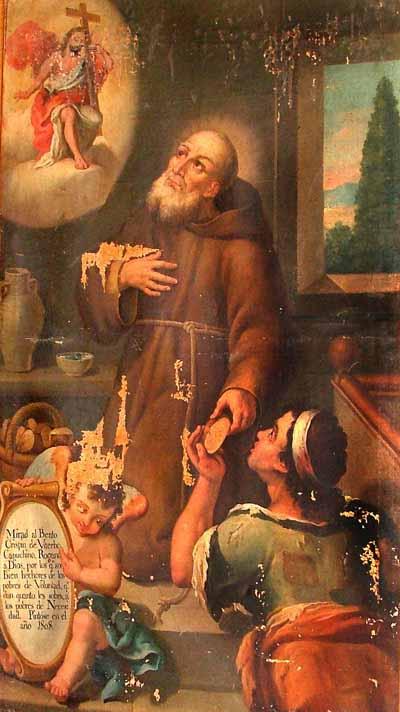
St. Crispin of Viterbo is a significant figure in Christian mythology, known for his life dedicated to service and his unwavering faith. Born in the late 15th century, Crispin lived during a time of great social and political upheaval in Italy. His story is not only one of personal devotion but also of a broader spiritual movement that sought to reform the Church and society. Crispin is often remembered for his humility, his commitment to the poor, and his dedication to the Franciscan ideals of simplicity and service. These qualities have made him a beloved saint in the Christian tradition, especially among the Franciscans.
The Early Life of St. Crispin
St. Crispin was born in the year 1668 in the town of Viterbo, Italy. His early life was marked by modesty and simplicity. From a young age, he displayed a deep sense of spirituality and a desire to help those in need. Crispin was the son of a humble family, and his parents instilled in him the values of charity and compassion. Despite the challenges he faced, he grew up with a strong sense of purpose and a calling to serve God and humanity. This background laid the foundation for his future endeavors as a saint and a servant of the poor.
 St. Crispin And St.Crispinian
As a young man, Crispin felt a strong pull towards religious life. He sought to join a religious order that would allow him to dedicate his life to God and the service of others. His determination led him to the Franciscan order, which was known for its emphasis on poverty, humility, and love for the marginalized. Crispin’s decision to become a Franciscan was a turning point in his life, as it opened the door to a deeper spiritual journey and a commitment to living out the teachings of Christ.
The Franciscan Life
Upon joining the Franciscan order, St. Crispin embraced a life of poverty and service. He took on the name Crispin and dedicated himself to the ideals of St. Francis of Assisi. The Franciscans were known for their radical approach to Christianity, focusing on living in harmony with nature and serving the poorest of the poor. Crispin embodied these principles throughout his life, often going out of his way to assist those who were suffering or in need.
Crispin’s days were filled with prayer, reflection, and acts of kindness. He would spend time in the community, engaging with the local people and offering them support. Whether it was providing food for the hungry or comfort for the grieving, Crispin’s presence was a source of hope and encouragement for many. His dedication to the Franciscan lifestyle was evident in every aspect of his life, from his interactions with others to his personal spiritual practices.
 St. Cosmas
Key Characteristics of St. Crispin
- Humility: Crispin was known for his humble demeanor and selfless service.
- Compassion: He had a deep love for the marginalized and worked tirelessly to help them.
- Faith: His unwavering faith in God guided his actions and decisions.
- Dedication: Crispin was fully committed to the Franciscan ideals and lived them out daily.
These characteristics made St. Crispin a model of Christian virtue, inspiring many to follow in his footsteps. His life serves as a reminder of the importance of serving others and living a life rooted in faith. Through his example, he encouraged others to embrace the values of love, charity, and humility that are central to the Christian faith.
Miracles and Legacy
St. Crispin is often associated with various miracles that are attributed to him, both during his lifetime and after his death. Many stories recount instances where he interceded on behalf of the sick or the needy, leading to remarkable healings and transformations. These miracles contributed to his growing reputation as a saint and solidified his place in Christian mythology. People began to see him as a powerful intercessor, someone who could advocate for them before God.
One of the most famous miracles associated with St. Crispin involves a time when he healed a blind man who had lost all hope. The man, desperate for healing, sought out Crispin, who prayed fervently for him. Miraculously, the man’s sight was restored, and he became a devoted follower of Crispin’s teachings. This story, among many others, highlights the profound impact that Crispin had on those around him and the enduring power of faith and prayer.
 St. Pope Cornelius
Feast Day and Celebration
St. Crispin’s feast day is celebrated on November 19th each year. This day is marked by various religious observances and festivities in honor of his life and contributions to the Christian faith. Many churches hold special masses and services to commemorate his legacy, inviting the community to come together in prayer and reflection. The celebration of his feast day serves as a reminder of the importance of living a life of service and devotion to God.
In addition to religious observances, many people also engage in acts of charity and service on St. Crispin’s feast day. This tradition reflects Crispin’s own commitment to helping those in need and encourages others to follow his example. Community service projects, food drives, and charitable donations are common ways that individuals and groups honor his memory. By engaging in these acts of kindness, people keep the spirit of St. Crispin alive and continue to spread his message of love and compassion.
St. Crispin in Art and Culture
The life of St. Crispin has inspired countless artists, writers, and musicians throughout history. His story is often depicted in religious art, where he is shown performing miracles or engaging with the poor. These artistic representations serve to highlight his virtues and the impact he had on those around him. In many churches, paintings or sculptures of St. Crispin can be found, reminding the faithful of his life and teachings.
In literature, St. Crispin has also been referenced in various works, symbolizing the values of faith and service. His life story resonates with themes of sacrifice, love, and devotion, making it a powerful narrative for writers to explore. Through these artistic expressions, the legacy of St. Crispin continues to inspire and challenge individuals to live lives of purpose and meaning.
Modern-Day Relevance
The teachings and example of St. Crispin remain relevant today, as many people seek to navigate the complexities of modern life while holding onto their faith. His commitment to serving the poor and marginalized serves as a powerful reminder of the importance of compassion in a world that often prioritizes individualism and materialism. St. Crispin’s life encourages individuals to look beyond themselves and consider the needs of others.
In a contemporary context, many organizations and movements draw inspiration from St. Crispin’s example, promoting social justice, equality, and service to the less fortunate. His legacy is reflected in the work of countless volunteers and activists who strive to make a difference in their communities. By embracing the values that St. Crispin exemplified, individuals can contribute to a more just and compassionate world.
Conclusion: The Enduring Legacy of St. Crispin
St. Crispin of Viterbo stands as a powerful symbol of faith, humility, and service in Christian mythology. His life story, filled with acts of kindness and miraculous deeds, continues to inspire people across the globe. As we reflect on his legacy, we are reminded of the importance of living a life rooted in compassion and dedication to others. St. Crispin’s example challenges us to consider how we can make a positive impact in our communities and strive to embody the values of love and service that he championed.