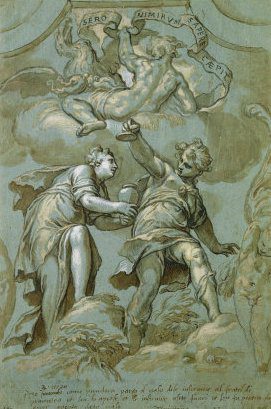
In Greek mythology, Epimetheus is a significant figure known primarily as the brother of Prometheus. While Prometheus is celebrated for his intelligence and foresight, Epimetheus is often depicted as the opposite, a character who embodies afterthought and impulsiveness. The stories surrounding Epimetheus offer valuable insights into the nature of human behavior, the consequences of actions, and the interplay between foresight and hindsight. Through various myths, we can explore how Epimetheus’s decisions led to both remarkable creations and unforeseen troubles, illustrating the complexities of human nature.
The Origins of Epimetheus
Epimetheus was born to the Titan Iapetus and the Oceanid Clymene. He is part of the second generation of Titans, who were the descendants of Gaia (Earth) and Uranus (Sky). The name Epimetheus means “afterthought,” which reflects his character traits and actions throughout mythology. Unlike his brother Prometheus, who is known for his cunning and foresight, Epimetheus often acts without considering the long-term consequences of his decisions. This duality between the two brothers serves as a fascinating contrast in many myths.
 Epione
In the Titanomachy, the epic battle between the Titans and the Olympian gods, Epimetheus chose to side with his brother Prometheus and the Titans. Despite his lack of foresight, he fought bravely alongside the Titans. However, after their defeat, he and Prometheus were punished by Zeus. This punishment further emphasizes the themes of consequence and retribution that permeate Greek mythology. While Prometheus was bound to a rock where an eagle would eat his liver daily, Epimetheus’s fate was less severe but still indicative of his character flaws.
The Creation of Animals
One of the most notable myths involving Epimetheus is his role in the creation of animals. According to the myth, after the gods created mankind, they tasked Epimetheus with giving animals the necessary traits to survive in the world. Epimetheus enthusiastically accepted this responsibility, distributing various attributes to each species. He gave some animals speed, others strength, and some the ability to fly. However, in his eagerness, he forgot to reserve any traits for humans, leaving them vulnerable and defenseless.
This oversight illustrates the essence of Epimetheus’s character—his tendency to act without thinking. As a result of his actions, humans had to rely on their intelligence and creativity to compensate for their lack of physical advantages. This aspect of the myth serves as a metaphor for human existence; we often face challenges that require us to think critically and adapt to our surroundings. The story of Epimetheus and the animals reminds us that while we may not possess the strengths of other creatures, we have the unique ability to innovate and find solutions to our problems.
 Erato
EratoThe Story of Pandora
Perhaps the most famous myth involving Epimetheus is the story of Pandora, the first woman created by the gods. According to legend, Zeus, angered by Prometheus’s theft of fire, decided to punish humanity by creating Pandora. He instructed Hephaestus to mold her from earth and water, and each god endowed her with unique gifts. Epimetheus, unaware of Zeus’s intentions, accepted Pandora as a gift, despite his brother’s warning not to accept anything from Zeus.
Pandora arrived with a mysterious jar (often referred to as a box) that contained all the evils of the world. Curiosity got the better of Pandora, and she opened the jar, releasing disease, despair, and chaos into the world. However, she managed to close it in time to keep hope inside. This act of releasing evil and retaining hope has become a significant theme in literature and philosophy, symbolizing the human condition’s duality. Epimetheus’s failure to heed Prometheus’s warning reflects his impulsive nature, leading to dire consequences for humanity.
Key Themes in the Story of Pandora
- Curiosity: Pandora’s curiosity led her to open the jar, demonstrating how human curiosity can lead to unforeseen consequences.
- Consequences of Actions: Epimetheus’s choice to accept Pandora highlights the importance of making thoughtful decisions.
- Hope: The presence of hope in the jar signifies that even in the face of adversity, there is always a glimmer of light.
Lessons from Epimetheus
The myths surrounding Epimetheus teach us valuable lessons about human nature and the importance of foresight. His character serves as a cautionary tale about the consequences of acting impulsively. In our daily lives, we often face decisions that require careful thought and consideration. The story of Epimetheus encourages us to reflect on our choices and consider the potential outcomes before taking action.
 Erebus
Moreover, the contrast between Epimetheus and Prometheus highlights the balance between foresight and impulsiveness. While foresight can lead to wise decisions and beneficial outcomes, impulsiveness can result in unexpected challenges and hardships. This duality is a fundamental aspect of the human experience, reminding us that we are all capable of both thoughtful planning and reckless behavior.
Epimetheus in Modern Culture
Epimetheus’s influence extends beyond ancient Greek mythology and can be seen in modern culture. His character has inspired various works of literature, art, and psychology. In contemporary discussions, the term “Epimethean” is often used to describe individuals who act without considering the long-term effects of their actions. This characterization serves as a reminder of the importance of critical thinking and foresight in our decision-making processes.
Additionally, the story of Pandora and the jar of evils has been referenced in numerous artistic and literary works. It symbolizes the complexities of human nature, the struggle between good and evil, and the inevitability of suffering. These themes resonate with audiences today, demonstrating that the lessons from Greek mythology remain relevant in our modern lives.
Comparisons with Other Mythological Figures
Epimetheus can be compared to several other mythological figures across different cultures. For instance, in Norse mythology, Loki is often depicted as a trickster who acts impulsively, leading to chaos and trouble among the gods. Similar to Epimetheus, Loki’s actions often have dire consequences, illustrating the dangers of recklessness. Both characters serve as reminders of the importance of wisdom and the need to consider the repercussions of our actions.
In Hindu mythology, the character of Ravana can also be likened to Epimetheus. Ravana, the demon king in the epic Ramayana, is known for his intelligence and strength but often acts out of pride and desire. His downfall results from his inability to foresee the consequences of his actions, much like Epimetheus. These comparisons highlight a universal theme in mythology: the struggle between wisdom and impulsiveness, a struggle that resonates across cultures and time periods.
Conclusion of Epimetheus’s Legacy
Epimetheus’s legacy in Greek mythology serves as a profound exploration of human behavior and decision-making. His character illustrates the pitfalls of impulsiveness and the importance of considering the consequences of our actions. Through the myths surrounding him, we learn valuable lessons about the nature of humanity, the balance between foresight and afterthought, and the complexities of life itself. As we navigate our own lives, the story of Epimetheus reminds us to think critically and act wisely, embracing both our strengths and our vulnerabilities.