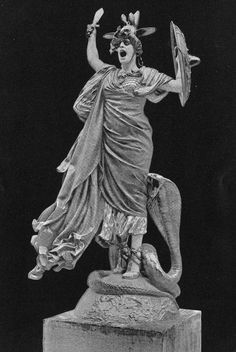
In Greek mythology, Enyo is often recognized as a lesser-known goddess associated with war and destruction. She is frequently depicted as a companion of Ares, the god of war, and plays a significant role in the battles and conflicts that are prevalent in various myths. Enyo embodies the chaos and bloodshed that accompany warfare, highlighting the darker aspects of conflict. Unlike other deities who might represent honor or glory in battle, Enyo’s presence is more aligned with the devastation that war brings to humanity.
The Role of Enyo in Greek Mythology
Enyo is primarily known for her role in the battlefield, where she actively participates in the destruction and chaos of war. As a companion of Ares, she is often depicted as a fierce warrior, inspiring fear among her enemies. Her presence in battles signifies not only the physical conflict but also the emotional and psychological turmoil that war inflicts on individuals and societies. In many stories, Enyo is portrayed as a figure who revels in the suffering of others, showcasing the brutal reality of warfare.
 Eos
EosIn various accounts, Enyo is described as a goddess who not only supports Ares but also takes part in the strategy and execution of war. She is sometimes associated with Erinyes, the Furies, who represent vengeance and retribution. This connection emphasizes her role in the cycle of violence and revenge that often follows war. Enyo’s character serves as a reminder of the consequences of conflict, illustrating how war can lead to a cycle of suffering that affects both victors and the vanquished.
Depictions of Enyo
Artistic representations of Enyo are relatively rare compared to more prominent figures in Greek mythology. However, when she is depicted, it is usually in a manner that highlights her martial prowess and fearsome nature. Artists often portray her clad in armor, wielding weapons, and surrounded by symbols of war, such as shields and helmets. These images emphasize her role as a goddess of battle and destruction.
 Epaphus
In some ancient texts, Enyo is described as having a terrifying appearance, embodying the fear that war instills in people. She is often shown with a fierce expression, ready to engage in combat at any moment. This portrayal not only reflects her role as a warrior but also serves to illustrate the chaotic nature of war itself. The visual representations of Enyo contribute to the understanding of her character as a force of destruction rather than a deity of honor or valor.
Enyo and Other Deities
Enyo’s relationship with other deities in the Greek pantheon is significant in understanding her role in mythology. As a companion of Ares, she is often seen alongside other war-related figures, such as Athena, the goddess of wisdom and warfare. While Athena represents strategic warfare and justice, Enyo embodies the chaos and brutality of conflict. This contrast highlights the duality of war in Greek mythology, where honor and destruction coexist.
Additionally, Enyo is sometimes linked to the Moirae, or the Fates, who control the destinies of mortals. This connection suggests that Enyo’s influence extends beyond the battlefield and into the realm of fate and destiny. Her presence in myths often signifies that the outcomes of battles are not solely determined by the warriors but are influenced by divine forces that govern the world.
 Ephialtes
Enyo’s Companions
- Ares: The primary association of Enyo is with Ares, the god of war. Together, they represent the different facets of conflict.
- Erinyes: Enyo shares similarities with the Erinyes, as both are connected to themes of vengeance and retribution.
- Deimos and Phobos: These personifications of terror and fear are often depicted alongside Ares and Enyo, emphasizing the emotional impact of war.
These companions illustrate the interconnectedness of various deities in Greek mythology, showcasing how their roles overlap and complement each other. Enyo’s relationships with these figures further emphasize her position as a powerful force in the realm of warfare.
Myths Involving Enyo
While there are fewer myths that center solely around Enyo, she plays a vital role in several significant stories within Greek mythology. One of the most notable myths involving Enyo is during the Trojan War, where her influence is felt throughout the conflict. In many accounts, she is depicted as actively participating in the chaos of battle, encouraging the warriors to fight fiercely and instilling fear in their enemies.
In addition to her role in the Trojan War, Enyo is often mentioned in the context of various other battles and conflicts throughout Greek history. Her presence serves as a reminder of the devastation that war brings, impacting not only the soldiers but also the innocent bystanders caught in the crossfire. These stories often highlight the emotional and psychological toll of war, illustrating how Enyo embodies the darker aspects of human conflict.
The Legacy of Enyo
Despite being a lesser-known figure in Greek mythology, Enyo’s legacy is significant in understanding the complexities of war and its effects on society. Her character serves as a reminder of the chaos and destruction that accompany human conflict, urging individuals to consider the broader implications of warfare. Enyo’s association with Ares and other war-related deities emphasizes the multifaceted nature of conflict, showcasing both its honor and its brutality.
Furthermore, Enyo’s legacy can be seen in modern interpretations of war and violence. Many contemporary discussions surrounding conflict draw parallels to the themes embodied by Enyo, exploring the emotional and psychological impacts of war on individuals and societies. By examining her character, we gain insight into the timeless nature of these issues, illustrating that the consequences of war are as relevant today as they were in ancient Greece.
Enyo may not be as prominent as other deities in Greek mythology, but her role as a goddess of war and destruction is essential to understanding the complexities of conflict. Through her relationships with other deities, her depictions in art, and her presence in myths, we can appreciate the multifaceted nature of warfare and its impact on humanity. Enyo’s legacy serves as a powerful reminder of the chaos and suffering that accompany war, urging us to reflect on the consequences of conflict in our own lives.