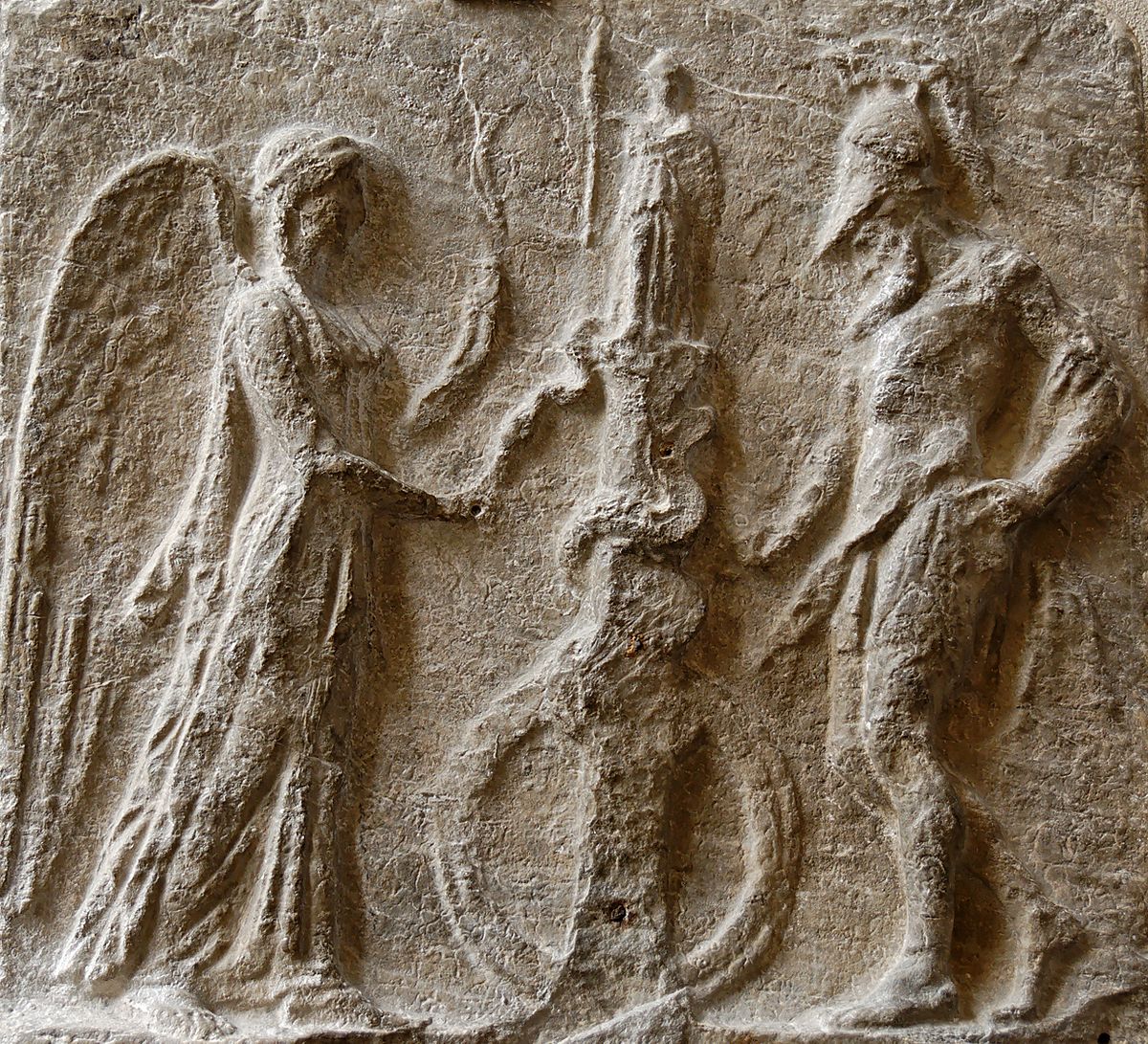
Palladium is a term that has its roots in ancient Roman mythology, representing a sacred object that was believed to protect a city or a people. The word itself comes from the Greek term ‘Palladion,’ which refers to a statue of the goddess Athena. In Roman culture, the Palladium was considered essential for the safety and prosperity of Rome, serving as a powerful symbol of divine protection. The story of the Palladium is intertwined with themes of war, loyalty, and the quest for power, making it a fascinating subject for those interested in mythology and ancient history.
The Origin of the Palladium
The origins of the Palladium can be traced back to ancient Greece, where it was associated with the goddess Athena. According to mythology, the Palladium was a statue that was said to have fallen from the heavens and was housed in the city of Troy. The Trojans believed that as long as the Palladium remained within their city walls, they would be safe from any invaders. This belief in the protective power of the Palladium made it a highly sought-after object, and many battles were fought over its possession.
 Parcae
In Roman mythology, the significance of the Palladium was further emphasized. The Romans believed that the safety of their city depended on the presence of the Palladium. According to legend, the hero Aeneas, who fled from Troy after its destruction, brought the Palladium to Italy. This act was seen as a divine blessing, and it solidified the connection between the Palladium and the founding of Rome. The statue was eventually placed in the Temple of Vesta, where it was revered and protected by the Vestal Virgins, priestesses dedicated to the goddess Vesta.
The Role of the Palladium in Roman Culture
The Palladium held immense significance in Roman culture, symbolizing not only protection but also the strength of the Roman state. The Romans believed that as long as the Palladium was in their possession, they would remain invincible. This belief was so deeply ingrained in their society that the Palladium became a central figure in various rituals and ceremonies. The protection it offered was not just physical but also spiritual, reinforcing the idea that the gods were watching over Rome.
 Pax
PaxDuring times of war, the Palladium was often taken into battle. Generals would carry a replica of the Palladium with them, believing that it would bring them victory. The sight of the Palladium was thought to inspire troops and instill fear in their enemies. This practice highlights the intertwining of religion and warfare in ancient Rome, where the success of military campaigns was often attributed to divine favor.
The Palladium and the Fall of Troy
The tale of the Palladium is closely linked to the story of the fall of Troy, a legendary event in Greek mythology. According to the myth, the Greeks could not conquer Troy as long as the Palladium remained within the city. This prompted the Greek hero Odysseus to devise a plan to steal the Palladium. He believed that if the Greeks could take the sacred statue, they would be able to defeat the Trojans.
Odysseus and his companion Diomedes managed to infiltrate Troy and successfully stole the Palladium. This act was a turning point in the Trojan War, leading to the eventual downfall of the city. The Greeks used the Palladium’s theft as a symbol of their cunning and resourcefulness. The story of the Palladium emphasizes the importance of strategy and intelligence in warfare, rather than relying solely on brute strength.
 Phoebus
The Palladium in Literature and Art
The Palladium has been a subject of fascination for many writers and artists throughout history. In literature, it has been referenced in various works, often symbolizing the protection and favor of the gods. For example, in Virgil’s epic poem “The Aeneid,” the Palladium is mentioned as a crucial element in Aeneas’s journey to establish a new home for the Trojans in Italy. This literary reference highlights the Palladium’s enduring legacy and its significance in the cultural memory of Rome.
In art, the Palladium has been depicted in various forms, from sculptures to paintings. Artists have sought to capture the essence of the Palladium and its symbolic meaning. Many depictions focus on the goddess Athena, who is often portrayed alongside the statue. These artistic representations serve to emphasize the connection between the Palladium and divine protection, showcasing the reverence with which it was regarded in ancient times.
The Modern Interpretation of the Palladium
Today, the concept of the Palladium continues to resonate in various ways. It is often used metaphorically to describe anything that provides protection or security. In modern contexts, people may refer to their own “Palladiums” as sources of strength and safety in their lives. This modern interpretation reflects the enduring nature of the Palladium as a symbol of resilience and hope.
Furthermore, the Palladium has found its way into popular culture, appearing in films, books, and video games. These references often draw on the themes of protection and divine favor, showcasing how ancient myths continue to influence contemporary storytelling. The Palladium serves as a reminder of the power of belief and the human desire for security in an unpredictable world.
The Legacy of the Palladium in History
The legacy of the Palladium extends beyond its mythological origins. It has become a symbol of the enduring connection between culture, religion, and power. The story of the Palladium reflects the values and beliefs of ancient Rome, illustrating how mythology shaped the identity of a civilization. As such, the Palladium has become a topic of study for historians and scholars interested in understanding the cultural dynamics of the ancient world.
Moreover, the Palladium’s influence can be seen in the way societies construct their own symbols of protection and power. Just as the Romans revered the Palladium, modern societies often look to their own symbols, whether they be national flags, religious icons, or cultural artifacts. This continuity of meaning underscores the universal human desire for safety and the belief in the protective power of the divine.
Conclusion: The Palladium’s Enduring Significance
the Palladium is much more than a mere artifact of Roman mythology; it represents a profound connection between the past and the present. Its stories of protection, power, and divine favor continue to resonate with people today. The Palladium serves as a testament to the human spirit’s quest for security and the enduring influence of mythology in shaping cultural identities. Whether viewed through the lens of history, literature, or modern interpretation, the Palladium remains a powerful symbol that captures the imagination and inspires awe.