
Elyon is a significant figure in Canaanite mythology, representing the concept of the highest god. The name Elyon means “Most High” in Hebrew and is often associated with the supreme deity worshipped by various ancient Near Eastern cultures. In Canaanite beliefs, Elyon embodies the qualities of omnipotence, omnipresence, and omniscience. He is often linked with the creation of the universe and is revered as the source of all life. The Canaanites, who inhabited the ancient region of Canaan, held a complex pantheon of gods, with Elyon positioned at the top. This article will explore the attributes, significance, and influence of Elyon within Canaanite mythology.
The Attributes of Elyon
Elyon is characterized by several key attributes that distinguish him from other deities in the Canaanite pantheon. First and foremost, his title as the “Most High” signifies his unparalleled status among gods. Unlike other deities who govern specific domains, Elyon is seen as the creator of the heavens and the earth. His omnipotent nature allows him to control the cosmos and everything within it. Additionally, Elyon is often depicted as a wise and benevolent god, guiding humanity and the natural world.
 Aion
AionAnother important attribute of Elyon is his association with justice and righteousness. He is often viewed as a protector of the oppressed and a defender of the weak. This aspect of his character resonates with many ancient cultures, where gods were expected to uphold moral order and ensure fairness among people. Elyon’s justice is not arbitrary; it is rooted in his wisdom and understanding of the world.
Symbolism of Elyon
The symbolism surrounding Elyon is rich and multifaceted. He is often represented by symbols that convey his power and authority. Common symbols include the mountain and the eagle. The mountain represents stability, permanence, and the heights of divine presence, while the eagle symbolizes freedom, strength, and the ability to soar above earthly concerns. These symbols serve to reinforce Elyon’s status as the supreme deity and his role as a protector and guide.
- Mountain: Represents stability and divine presence.
- Eagle: Symbolizes strength and freedom.
- Light: Often associated with knowledge and divine truth.
Furthermore, Elyon is frequently linked to the concept of light. In many ancient cultures, light symbolizes knowledge, purity, and divine truth. Elyon’s association with light signifies his role as a source of wisdom and enlightenment for humanity. This connection emphasizes the idea that through Elyon, individuals can attain greater understanding and insight into the nature of existence.
 Yam
YamElyon in Canaanite Religion
The worship of Elyon was an integral part of Canaanite religion, which encompassed a diverse array of practices and beliefs. As the supreme deity, Elyon was often invoked in rituals and ceremonies aimed at securing his favor. These rituals included offerings, prayers, and sacrifices designed to appease him and seek his guidance. The Canaanites believed that by honoring Elyon, they could ensure prosperity, fertility, and protection from adversities.
Temples dedicated to Elyon were often grand and elaborately decorated, reflecting his high status among the gods. These temples served as places of worship where priests performed rituals on behalf of the community. The rituals were designed to maintain a harmonious relationship between Elyon and the people, emphasizing the importance of divine favor in their daily lives. The priests acted as intermediaries, communicating the needs and desires of the people to Elyon.
The Role of Elyon in Creation Myths
Elyon plays a central role in many creation myths within Canaanite mythology. These myths describe how Elyon, in his omnipotence, brought the universe into existence. One of the most notable accounts involves the separation of the heavens and the earth, a common theme in many ancient cultures. Elyon is depicted as the architect of the cosmos, skillfully organizing chaos into a structured and harmonious world.
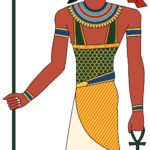 Reshef
- Separation of Heavens and Earth: Elyon creates order from chaos.
- Creation of Humanity: Elyon shapes humans in his image.
- Establishment of Natural Laws: Elyon sets the rules governing the universe.
In these creation myths, Elyon is often described as shaping humanity in his image, bestowing upon them the qualities of reason and morality. This connection between Elyon and humanity underscores the belief that humans have a special place in the divine order. Furthermore, Elyon is credited with establishing the natural laws that govern the universe, ensuring balance and harmony in creation.
The Influence of Elyon on Other Cultures
The influence of Elyon extends beyond Canaanite mythology, impacting other ancient cultures and religions. The title “Most High” has been adopted in various contexts, particularly in the Hebrew Bible, where it is used to refer to the God of Israel. This transition highlights the syncretic nature of ancient religions, where deities and their attributes often merged or evolved over time.
In the context of Hebrew religion, Elyon is sometimes associated with Yahweh, the God of Israel. This connection illustrates how Canaanite beliefs influenced the development of monotheism in ancient Israel. The attributes of Elyon, such as omnipotence and justice, are echoed in the descriptions of Yahweh, showcasing a shared cultural heritage that shaped religious thought in the region.
Elyon in Literature and Art
The figure of Elyon has also left a lasting impression on literature and art throughout history. Ancient texts often depict Elyon as a majestic and powerful being, reflecting his status as the supreme deity. These literary representations serve to reinforce the cultural significance of Elyon and his role within Canaanite society. Poets and writers frequently draw upon the imagery associated with Elyon to convey themes of power, creation, and divine justice.
- Epic Poems: Elyon often features in epic tales of creation and heroism.
- Artistic Depictions: Artists portray Elyon as a figure of immense power.
- Symbolic Representations: Elyon is represented through symbols in various forms of art.
In visual art, Elyon is depicted in various forms, often portrayed as a towering figure surrounded by symbols of power and authority. Artists have used these representations to convey the grandeur of Elyon and the respect he commanded in Canaanite society. This artistic legacy continues to influence modern interpretations of ancient mythology, illustrating the enduring impact of Elyon on cultural narratives.
The Legacy of Elyon
The legacy of Elyon is profound, shaping not only Canaanite mythology but also the broader landscape of ancient Near Eastern religions. His attributes of justice, wisdom, and omnipotence have left an indelible mark on subsequent religious traditions. As cultures evolved, the concept of a supreme deity, reminiscent of Elyon, emerged in various forms, influencing the development of monotheistic beliefs.
Furthermore, Elyon’s role in creation myths continues to resonate with contemporary audiences. The themes of order, chaos, and the divine nature of humanity remain relevant in modern discussions of spirituality and existence. Elyon’s influence can be seen in the way many people conceptualize their relationship with the divine, emphasizing the quest for understanding and connection.
Modern Interpretations of Elyon
In modern times, Elyon is often revisited in scholarly discussions and cultural explorations of ancient religions. Researchers and historians delve into Canaanite mythology to uncover the nuances of Elyon’s character and significance. This academic interest sheds light on the complex interactions between ancient cultures and their deities, providing insights into the evolution of religious thought.
- Scholarly Research: Modern studies explore Elyon’s attributes and influence.
- Cultural Revivals: Contemporary movements draw upon ancient beliefs.
- Literary Reinterpretations: Elyon inspires modern authors and creators.
Moreover, contemporary spiritual movements often draw inspiration from ancient deities like Elyon, integrating elements of Canaanite mythology into modern practices. This revival highlights the enduring relevance of these ancient beliefs and their capacity to resonate with individuals seeking a deeper connection to spirituality. Elyon’s legacy lives on as a testament to humanity’s quest for understanding the divine and the mysteries of existence.