
In the rich tapestry of Canaanite mythology, Reshef stands out as a significant deity associated with war, plague, and the underworld. This ancient god was worshiped primarily in the regions that now comprise modern-day Israel, Lebanon, and parts of Syria. Reshef’s character and attributes provide insight into the beliefs and practices of the Canaanite people, reflecting their understanding of life, death, and the forces that govern the universe. Understanding Reshef is crucial for grasping the complexities of Canaanite religious practices and how these practices influenced neighboring cultures.
Origins and Attributes of Reshef
The origins of Reshef can be traced back to the ancient Near East, where he was often depicted as a powerful figure. His name is thought to mean “flame” or “to burn,” which symbolizes his fierce and destructive nature. This etymology is significant, as it reflects how the Canaanites viewed him as a force to be reckoned with, one who could bring both destruction and renewal. Reshef was often associated with fire and lightning, making him a formidable presence in the pantheon of Canaanite gods.
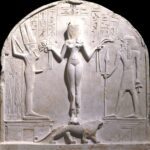 Ousoos
In Canaanite mythology, Reshef was frequently depicted as a warrior, adorned with weapons and armor. His portrayal as a god of war highlights the importance of military prowess in ancient Canaanite society. The Canaanites, like many ancient cultures, valued strength and bravery in battle, and Reshef embodied these ideals. He was often invoked during times of conflict, as people sought his favor to achieve victory over their enemies.
Reshef in Iconography
Reshef’s iconography is quite telling of his attributes and the reverence with which he was regarded. In various ancient artifacts, he is depicted with the following features:
- Weapons: Reshef is often shown holding a spear or a bow, symbolizing his role as a warrior.
- Flames: Imagery of flames surrounding him emphasizes his connection to fire and destruction.
- Animals: He is sometimes accompanied by fierce animals, like lions or bulls, representing strength and dominance.
These depictions not only reflect the attributes of Reshef but also serve as a reminder of the qualities that the Canaanites admired and aspired to possess. The imagery associated with him suggests that he was not just a distant deity, but a powerful force actively involved in the affairs of humanity.
 Mot
MotReshef and His Role in Canaanite Religion
In the context of Canaanite religion, Reshef played a multifaceted role. As a god of war, he was often invoked during battles, but his influence extended beyond the battlefield. Reshef was also associated with plague and disease, reflecting the belief that he had the power to both inflict suffering and provide healing. This duality made him a complex figure within the Canaanite pantheon.
The Canaanites believed that Reshef could bring about both destruction and renewal, making him a vital part of their understanding of the cycle of life and death. His ability to cause plagues meant that he was feared and respected, as people sought to appease him through rituals and offerings. This aspect of his character demonstrates the interconnectedness of life, health, and warfare in Canaanite society.
Rituals and Worship
The worship of Reshef involved various rituals aimed at gaining his favor and protection. These rituals included:
 Melqart
- Offerings: Devotees would present sacrifices, such as animals or grain, to appease Reshef and seek his blessings.
- Prayers: Specific prayers and hymns were recited, invoking Reshef’s name and asking for his intervention in times of crisis.
- Festivals: Certain festivals were dedicated to Reshef, where communal gatherings took place to celebrate his power and seek his protection.
These practices reveal the deep-seated belief in Reshef’s influence over their lives. The Canaanites viewed their relationship with the gods as reciprocal; they offered devotion in exchange for divine protection and favor. The rituals associated with Reshef were not merely acts of piety but were integral to the community’s social fabric, reinforcing their beliefs and values.
Reshef and Other Deities
Within the Canaanite pantheon, Reshef interacted with various other deities, each having their unique attributes and roles. His relationships with these gods further illustrate the complexities of Canaanite mythology. For instance, Reshef was often associated with Baal, the storm god, who also held dominion over warfare and fertility. Together, they represented the dual aspects of destruction and renewal that were essential to Canaanite beliefs.
Additionally, Reshef was linked to Astarte, the goddess of love and war. Their connection signifies the intertwining of love, war, and life within Canaanite culture. Astarte’s role as a goddess of fertility complemented Reshef’s martial attributes, emphasizing the balance between creation and destruction in the natural world. This interplay among deities illustrates the Canaanites’ understanding of the world as a dynamic and interconnected system.
The Significance of Reshef in Canaanite Society
Reshef’s significance extended beyond religious practices; he played a crucial role in shaping Canaanite identity and culture. His association with war and plague made him a central figure in their narratives about survival and resilience. The Canaanites often faced external threats and internal strife, and Reshef served as a symbol of strength during these challenging times.
Moreover, Reshef’s influence can be seen in various aspects of Canaanite life, from art and literature to politics and social structures. His image was used to convey power and authority, and leaders would invoke his name to legitimize their rule. This connection between divine favor and political power highlights the importance of religion in governance and societal organization.
Reshef in Historical Context
Understanding Reshef also requires placing him within a broader historical context. The Canaanite civilization flourished during a time of significant cultural exchange in the ancient Near East. As trade routes connected different peoples, ideas and beliefs were shared, leading to the evolution of deities like Reshef. His characteristics were influenced by neighboring cultures, including the Egyptians and the Mesopotamians, who had their warrior gods.
The adoption and adaptation of divine attributes from other cultures demonstrate how fluid and dynamic ancient religious practices were. Reshef, while uniquely Canaanite, also embodies elements found in other mythologies, showcasing the interconnectedness of ancient civilizations. This blending of beliefs enriched the Canaanite understanding of the divine and reinforced their cultural identity.
Reshef in Modern Scholarship
In contemporary scholarship, Reshef continues to be a subject of interest for historians and archaeologists. Researchers study ancient texts, inscriptions, and artifacts to gain insight into his worship and significance. These studies help reconstruct the beliefs and practices of the Canaanites, shedding light on a civilization that significantly influenced the development of later cultures.
Furthermore, the examination of Reshef allows scholars to explore themes of war, health, and divine intervention in ancient societies. By analyzing how the Canaanites perceived their gods, researchers can better understand the complexities of human existence and the ways in which ancient peoples sought to explain and cope with the challenges of life.
Reshef’s Legacy
The legacy of Reshef extends beyond ancient Canaanite society. His attributes and narratives have influenced various cultures and religions throughout history. As the Canaanites interacted with neighboring civilizations, the stories and characteristics of Reshef found their way into other mythologies. This process of cultural exchange ensured that Reshef’s essence lived on, even as the Canaanite civilization itself declined.
Today, the study of Reshef and Canaanite mythology enriches our understanding of ancient religions and their impact on modern belief systems. The themes of war, health, and the divine continue to resonate in contemporary discussions about spirituality and human experience. By exploring the legacy of Reshef, we gain valuable insights into the enduring nature of mythology and its relevance in our lives.
Reshef in Popular Culture
In recent years, Reshef has made appearances in popular culture, reflecting the growing interest in ancient mythologies. From literature to video games, references to Reshef highlight the allure of Canaanite gods and their stories. These modern interpretations often reinterpret ancient narratives, making them accessible to contemporary audiences.
Such representations serve as a reminder of the timelessness of mythological themes. The struggles of gods like Reshef resonate with modern themes of conflict, survival, and the quest for power. As people engage with these stories, they not only learn about ancient cultures but also reflect on their own experiences and challenges.
The Influence of Archaeology on Understanding Reshef
The field of archaeology has played a crucial role in uncovering the historical context of Reshef and Canaanite mythology. Excavations in ancient Canaanite sites have yielded artifacts, inscriptions, and temples dedicated to Reshef, providing tangible evidence of his worship. These findings have helped scholars piece together the rituals and beliefs surrounding this powerful deity.
Archaeological discoveries have also revealed the physical spaces where Reshef was venerated. Temples and altars dedicated to him have been unearthed, showcasing the architectural styles and artistic expressions of the Canaanites. These sites serve as important cultural landmarks, offering insights into the religious practices and societal values of the time.
Future Research Directions
As scholarship on Reshef and Canaanite mythology continues to evolve, several research directions hold promise for future exploration. One area of interest is the comparative study of Reshef with other ancient warrior deities. Understanding the similarities and differences among these gods can shed light on broader themes in ancient religious practices.
Additionally, interdisciplinary approaches that combine archaeology, anthropology, and literary studies can provide a more comprehensive understanding of Reshef’s role in Canaanite society. Such collaborations can uncover new insights into the cultural significance of this deity and his enduring legacy in the ancient world.
Reshef remains a fascinating figure in the study of Canaanite mythology. His attributes as a god of war, plague, and the underworld reveal the complexities of ancient beliefs and the interconnectedness of life and death. As researchers continue to explore his significance, Reshef’s legacy will undoubtedly persist, enriching our understanding of ancient cultures and their impact on modern society.