
Aion is a significant figure in Canaanite mythology, often associated with the concept of time and eternity. This ancient belief system, rooted in the rich history of the Canaanites, showcases a variety of deities and mythological stories that reflect the culture and values of the people. Aion is particularly intriguing due to his connection with the cyclical nature of life and the cosmos. In this article, we will explore Aion’s role within Canaanite mythology, his attributes, and the influence he had on later religious traditions.
The Origins of Aion
The origins of Aion can be traced back to ancient Near Eastern cultures, particularly in the region that is now known as the Levant. The Canaanites, who inhabited this area, developed a complex pantheon of gods and goddesses. Aion is often depicted as a god who embodies the essence of time and the eternal cycle of life. His name itself is derived from the Greek word for “age” or “eternity,” suggesting a link between the Canaanite understanding of time and later Greek interpretations.
 Yam
YamAion’s representation in Canaanite art and literature is somewhat limited compared to other deities. However, his significance is underscored by his association with other major gods in the Canaanite pantheon. For instance, he is often linked to Baal, the storm god, and El, the chief deity of the Canaanite religion. These connections illustrate how Aion was woven into the fabric of Canaanite belief systems, influencing their understanding of the universe and its cycles.
Aion’s Attributes and Symbolism
Aion is primarily associated with the concepts of eternity and the cyclical nature of existence. In Canaanite mythology, time is not seen as linear but rather as a series of cycles that repeat. This understanding is crucial for the agricultural society of the Canaanites, who relied on the seasons for their survival. Aion embodies this cyclical time, representing the eternal return of the seasons, life, and death.
In artistic representations, Aion is often depicted as a youthful figure, symbolizing the vitality of life and the endless possibilities of existence. His imagery may include elements that signify the passage of time, such as clocks or hourglasses, although these specific symbols may be more prominent in later interpretations. The duality of his nature, representing both the beginning and the end, highlights the interconnectedness of life and death in Canaanite thought.
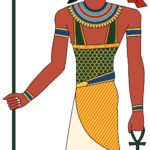 Reshef
Connections to Other Deities
Aion’s role in Canaanite mythology is enhanced by his connections to other deities. He is frequently mentioned alongside Shamash, the sun god, and Astarte, the goddess of love and war. These relationships illustrate how the Canaanite gods interacted with one another and how they influenced the natural world. Aion’s association with the sun god, for example, emphasizes the importance of light and warmth in the cycle of life.
- Baal: The storm god, often linked to fertility and the agricultural cycles.
- El: The chief god of the Canaanite pantheon, representing strength and authority.
- Shamash: The sun god, symbolizing justice and the passage of time.
- Astarte: The goddess of love and war, reflecting the duality of existence.
These connections not only enrich Aion’s character but also demonstrate the complexity of Canaanite mythology. Each deity plays a unique role in the overall narrative, contributing to the Canaanites’ understanding of the world around them. This interconnectivity is essential for grasping the full scope of Aion’s significance within the mythological framework.
Aion in Canaanite Rituals
Aion’s influence extended beyond mythology into the realm of Canaanite rituals and practices. The cyclical nature of time, which Aion represents, was crucial for agricultural societies that depended on seasonal changes. The Canaanites would have performed rituals to honor Aion, particularly during planting and harvest seasons, to ensure fertility and bountiful crops.
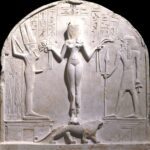 Ousoos
Rituals dedicated to Aion often included offerings of grain and other agricultural products, symbolizing the connection between the divine and the natural world. These offerings were made in hopes of securing Aion’s favor, ensuring that the cycles of life would continue uninterrupted. The act of honoring Aion was not just a religious practice but also a practical one, deeply rooted in the survival of the community.
Festivals and Celebrations
In addition to agricultural rituals, the Canaanites likely celebrated festivals that honored Aion and his association with time and eternity. These festivals would have been vibrant occasions, filled with music, dance, and communal feasting. They provided an opportunity for the community to come together, reflect on their connection to the divine, and celebrate the cycles of life.
- Spring Festival: Celebrating the rebirth of nature and the renewal of life.
- Harvest Festival: Giving thanks for the bounty of the earth and honoring Aion’s role in the cycles of growth.
- Winter Solstice: Recognizing the return of the sun and the promise of new beginnings.
These festivals were essential for reinforcing the community’s bond with Aion and their understanding of the natural world. They served to remind the Canaanites of the importance of honoring the cycles of time, fostering a sense of unity and shared purpose.
Aion’s Influence on Later Cultures
The concept of Aion and his association with time and eternity had a lasting impact on later cultures, particularly in the context of Hellenistic and Roman traditions. As the Canaanite mythology evolved and spread, elements of Aion’s character were absorbed into other belief systems. The Greeks, for instance, adopted the idea of Aion as a personification of time, integrating it into their philosophical and religious thought.
In Greek philosophy, Aion became a symbol of eternal time, contrasting with Chronos, who represented linear time. This duality reflects the Canaanite understanding of time as cyclical and eternal, emphasizing the interconnectedness of life, death, and rebirth. The influence of Aion can also be seen in various literary works, where themes of eternity and the passage of time are explored.
Aion in Gnosticism
Aion’s legacy continued into the early Christian era, particularly within the context of Gnosticism. Gnostic texts often reference Aion as a divine figure associated with the creation and the cosmos. In these traditions, Aion is portrayed as a being that transcends time, embodying the eternal nature of the divine. This connection illustrates how Canaanite mythology laid the groundwork for later religious thought, influencing the development of new belief systems.
- Divine Aeons: In Gnostic beliefs, Aion is often seen as part of a hierarchy of divine beings.
- Eternal Truth: Aion symbolizes the search for ultimate knowledge and understanding.
- Cosmic Order: His presence represents the interconnectedness of all things in the universe.
This transformation of Aion’s character highlights the adaptability of mythological figures and their ability to resonate with different cultures and beliefs over time. The Canaanite understanding of Aion as a representation of time and eternity continues to influence contemporary thought, showcasing the enduring nature of mythology.
The Legacy of Aion
Aion’s legacy within Canaanite mythology and beyond serves as a testament to the richness of ancient belief systems. His representation as a deity of time and eternity reflects the Canaanites’ understanding of the natural world and their place within it. The themes of cyclical existence, renewal, and the interconnectedness of life resonate throughout various cultures and religions, demonstrating the universality of these concepts.
As we explore Aion’s significance, it becomes clear that he is more than just a figure within Canaanite mythology. He embodies the profound questions of existence, time, and the human experience. The stories and rituals surrounding Aion remind us of the importance of honoring the cycles of life, connecting us to our ancestors and the natural world.
Modern Interpretations
In contemporary times, Aion’s influence can be seen in various forms of art, literature, and philosophy. Modern interpretations of time often draw upon the cyclical understanding that Aion represents. This perspective encourages a more holistic view of existence, emphasizing the importance of balance and harmony within the natural world.
- Art: Artists often explore themes of eternity and cyclical time in their work, reflecting Aion’s influence.
- Literature: Many authors incorporate the idea of eternal cycles into their narratives, drawing parallels to Aion’s character.
- Philosophy: Discussions surrounding the nature of time and existence frequently reference ancient mythological concepts, including Aion.
The legacy of Aion serves as a reminder of the interconnectedness of all things and the importance of understanding our place within the greater cosmos. His story continues to inspire and provoke thought, encouraging us to reflect on the eternal cycles of life and the profound mysteries that surround us.