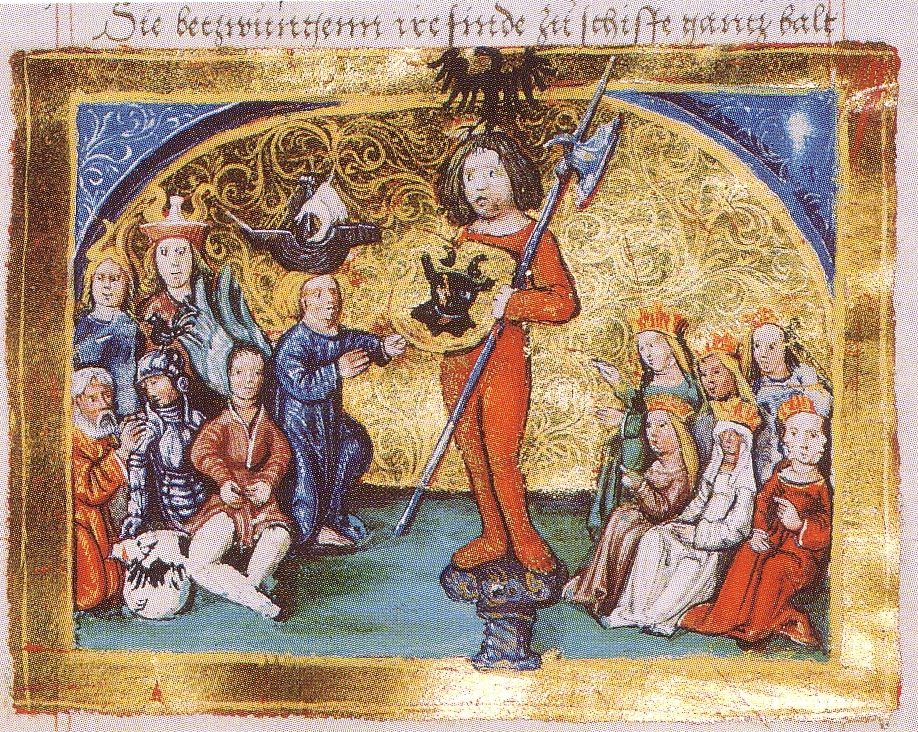
Radigast is a significant figure in Slavic mythology, known primarily as the god of hospitality, animals, and nature. His name is derived from the Slavic words meaning “to care” or “to nurture.” In the ancient Slavic belief system, Radigast was revered for his role in ensuring the well-being of both humans and animals. He is often associated with the changing of the seasons and the balance of nature. This article will explore the various aspects of Radigast, his attributes, and his importance in Slavic culture.

Origins of Radigast
The origins of Radigast can be traced back to the early Slavic tribes that inhabited parts of Eastern Europe. His worship was widespread, especially among the Western Slavs. Historical texts and folklore provide insights into his character and the reverence in which he was held. Unlike many gods of war and conquest, Radigast embodies a more peaceful aspect of life, focusing on the connection between humans and nature. He represents a harmonious existence, where people coexist with the animals and the environment.
In Slavic mythology, Radigast is often depicted as a benevolent figure who brings good fortune to those who respect nature and its creatures. His role as a protector of the forest and the animals within it highlights the importance of nature in the lives of the Slavic people. They depended on the land for sustenance and survival, making Radigast a crucial deity in their daily lives.
Attributes and Symbols
Radigast is often associated with various symbols that reflect his attributes. One of the most common symbols linked to him is the oak tree. The oak is a sacred tree in many cultures and represents strength and endurance. For the Slavs, the oak also symbolized the connection between the earth and the heavens. Radigast is often portrayed as a tall figure standing beside an oak, signifying his role as a guardian of nature.
 Polevik
Another important symbol associated with Radigast is the horned animal, particularly the stag. The stag is a creature of the forest that embodies grace and strength. It is often seen as a messenger between the human world and the spirit world. In Slavic traditions, encountering a stag in the woods was considered a sign of Radigast’s favor, indicating that one was in harmony with nature.
Radigast in Folklore
Radigast appears in various tales and legends within Slavic folklore. These stories often depict him as a kind and generous deity who assists those in need. One popular tale tells of a traveler who, lost in the woods, calls upon Radigast for help. The god appears in the form of a gentle old man, guiding the traveler to safety and providing him with food and shelter. This narrative highlights the importance of hospitality in Slavic culture and the belief that Radigast rewards those who show kindness to others.
Another tale involves Radigast’s relationship with animals. In this story, a hunter sets out to capture a magnificent stag. However, as he tracks the animal, he begins to feel a deep connection with it. Just as he is about to shoot, he remembers Radigast’s teachings about respect for nature. He lowers his bow and instead chooses to follow the stag, learning valuable lessons about the interconnectedness of all living beings. This story serves as a reminder of the need to respect and protect the natural world.
 Perun
PerunRadigast and the Seasons
Radigast is also closely tied to the changing of the seasons. In Slavic mythology, he is often depicted as a deity who oversees the cycles of nature. Each season brings its own gifts and challenges, and Radigast is believed to guide the natural order. For example, during the spring, he is associated with renewal and growth, encouraging plants to bloom and animals to awaken from their slumber. In contrast, during the winter, he is seen as a protector of animals, ensuring they have enough food and shelter to survive the harsh conditions.
The Slavic people celebrated various festivals throughout the year to honor Radigast and the changing seasons. These celebrations often included rituals to thank him for the bounty of nature and to seek his blessings for the coming months. During spring, they would hold feasts to celebrate the awakening of the earth, while in autumn, they would give thanks for the harvest. These traditions reinforced the connection between Radigast and the cycles of life, emphasizing the importance of gratitude and respect for the natural world.
Radigast’s Influence on Modern Culture
Even today, the legacy of Radigast can be seen in various aspects of modern culture. Many people in Eastern Europe still celebrate traditional festivals that honor nature and its cycles. The teachings of Radigast, emphasizing the importance of hospitality and respect for the environment, resonate with contemporary movements focused on sustainability and conservation. As societies become increasingly aware of environmental issues, the messages embodied by Radigast are more relevant than ever.
In literature and art, Radigast has inspired numerous works that explore themes of nature, harmony, and coexistence. Artists often depict him in serene landscapes, surrounded by animals and lush greenery. These representations serve as a reminder of the beauty of nature and the need to protect it. Additionally, modern interpretations of Slavic mythology frequently include Radigast as a central figure, illustrating his enduring relevance in contemporary storytelling.
Radigast in Comparison to Other Deities
When comparing Radigast to other deities in Slavic mythology, it is essential to note the distinct qualities that set him apart. Many Slavic gods, such as Perun, are associated with war, thunder, and strength. In contrast, Radigast embodies peace, hospitality, and a deep connection to the natural world. This difference highlights the diverse aspects of the Slavic pantheon, where various gods represent different facets of life and existence.
Additionally, Radigast’s focus on animals and nature parallels some other mythological figures from different cultures. For example, in Norse mythology, the god Freyr is associated with fertility, prosperity, and the natural world. Both Radigast and Freyr share a commitment to ensuring harmony within their respective realms. This similarity illustrates a universal theme found in many mythologies: the recognition of the importance of nature and the need to live in balance with it.
Rituals and Worship of Radigast
The worship of Radigast involved various rituals and practices aimed at honoring him and seeking his blessings. One common practice was the offering of food, particularly bread and honey, which symbolized hospitality and abundance. People would place these offerings in natural settings, such as under trees or near streams, as a way to connect with Radigast and show gratitude for the gifts of nature.
Additionally, communal gatherings and feasts were held in his honor, especially during seasonal transitions. These events often included music, dancing, and storytelling, reinforcing community bonds and shared values. During these celebrations, people would share their experiences and stories related to nature, emphasizing the lessons learned from Radigast about respect and coexistence.
Radigast in Modern Spirituality
In recent years, there has been a resurgence of interest in Slavic mythology and spirituality. Many modern practitioners seek to reconnect with ancient traditions, including the worship of Radigast. This revival often emphasizes the importance of living in harmony with nature and respecting the environment. Contemporary rituals may include nature walks, meditation in natural settings, and community gatherings focused on sustainability.
Furthermore, the teachings of Radigast inspire many environmental movements today. Activists often draw upon the principles of respect for nature and the interconnectedness of all living beings that Radigast embodies. By invoking his name and principles, they aim to raise awareness about ecological issues and encourage sustainable practices in everyday life.
Radigast in Literature and Media
Radigast’s influence extends beyond folklore and rituals into literature and media. He has appeared in various forms of storytelling, from books to films, often portrayed as a wise and nurturing figure. In some modern interpretations, Radigast is depicted as a guardian of the forest, protecting it from those who seek to harm it. These portrayals resonate with audiences, emphasizing the timelessness of his message about the importance of nature and hospitality.
In fantasy literature, Radigast is sometimes included in stories alongside other mythological figures, creating rich narratives that explore themes of adventure and the battle between good and evil. His character often serves as a reminder of the need to protect the environment and the creatures that inhabit it. These adaptations help to keep the legacy of Radigast alive, introducing his teachings to new generations.
Radigast remains a vital figure in Slavic mythology, representing the deep connection between humans and the natural world. His attributes of hospitality, protection of animals, and harmony with nature resonate strongly in both ancient and modern contexts. As societies continue to grapple with environmental challenges, the teachings of Radigast serve as a reminder of the importance of respecting and nurturing the world around us. Through rituals, storytelling, and contemporary practices, Radigast’s legacy endures, inspiring individuals to live in harmony with nature and each other.