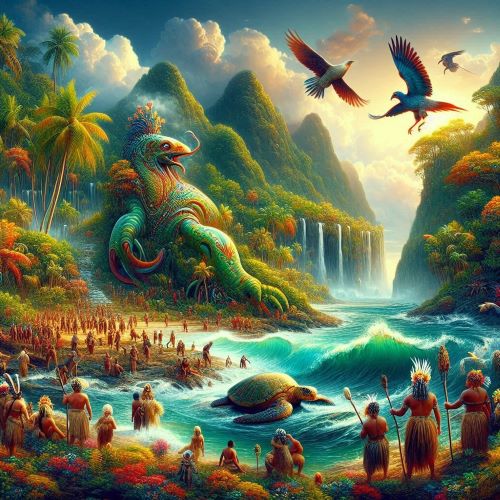
In the rich tapestry of Melanesian mythology, few figures stand out as prominently as Matabiri. This deity is often regarded as a significant cultural symbol among various Melanesian societies. Matabiri is not just a character in myths; he embodies the values, struggles, and aspirations of the people. Understanding Matabiri requires delving into the stories, beliefs, and practices that surround him, which are deeply intertwined with the identity of the Melanesian people.
The Origins of Matabiri
The origins of Matabiri are steeped in ancient lore, passed down through generations in various forms. In many Melanesian cultures, Matabiri is often depicted as a trickster or a hero, depending on the context of the story. His tales are frequently set in the lush landscapes of the islands, where the natural world plays a vital role in the narratives. The stories often reflect the duality of Matabiri’s nature, showcasing both his benevolent and mischievous traits.
 Morufonu
One prevalent belief is that Matabiri was born from the union of the earth and sky, symbolizing the interconnectedness of all life. This origin story is not unique to Matabiri; many cultures around the world have similar narratives that emphasize the relationship between different elements of nature. Matabiri’s birth is often celebrated in rituals and festivals, where people gather to honor the deity and seek his blessings for fertility, prosperity, and protection.
The Characteristics of Matabiri
Matabiri is often portrayed with distinctive characteristics that set him apart from other deities in Melanesian mythology. He is typically depicted as a tall figure with a strong build, symbolizing strength and resilience. His skin is often described as being the color of the earth, representing his deep connection to the land and the people. This earthy appearance serves as a reminder of the importance of nature in the lives of Melanesians.
Moreover, Matabiri is known for his intelligence and cunning nature. He often uses his wits to outsmart adversaries or to navigate challenging situations. This aspect of his character resonates with the Melanesian belief in the power of knowledge and strategy. Stories of Matabiri’s cleverness are shared among communities, often with the intention of teaching important life lessons about perseverance and resourcefulness.
 Marawa
Myths and Legends of Matabiri
The myths and legends surrounding Matabiri are numerous and varied, reflecting the diverse cultures within Melanesia. One of the most famous stories tells of Matabiri’s journey to retrieve a sacred object that had been stolen by a rival deity. This tale not only highlights Matabiri’s bravery but also underscores the themes of loyalty and the importance of protecting one’s community. The story often concludes with Matabiri triumphantly returning the object, restoring harmony to the land.
Another popular legend involves Matabiri’s interactions with humans. In this story, he appears to a group of villagers facing a severe drought. The people, desperate for water, call upon Matabiri for help. In response, he teaches them how to dig wells and find underground water sources. This myth serves as a metaphor for the importance of collaboration and innovation in overcoming challenges. It emphasizes that while divine intervention is valuable, human effort and ingenuity are equally essential.
Matabiri in Rituals and Festivals
Matabiri plays a crucial role in various rituals and festivals throughout Melanesia. These events are often vibrant celebrations that involve music, dance, and traditional ceremonies. During these gatherings, stories of Matabiri are recounted, and people engage in activities that honor his legacy. The atmosphere is filled with joy and reverence, as participants come together to celebrate their cultural heritage.
 Kwoiam
One of the most significant festivals dedicated to Matabiri occurs during the harvest season. This event is marked by elaborate feasts where communities come together to give thanks for the bountiful harvest. Offerings are made to Matabiri, including food, flowers, and other items that hold cultural significance. These offerings symbolize gratitude and a desire for continued blessings in the future. The festival is not only a time for celebration but also an opportunity for communities to strengthen their bonds and share their collective identity.
Matabiri’s Influence on Art and Culture
The figure of Matabiri has had a profound impact on the art and culture of Melanesia. Artists often draw inspiration from his stories, creating paintings, sculptures, and textiles that depict his adventures and attributes. These artistic representations serve as a means of preserving cultural heritage and passing down traditions to future generations. Matabiri’s image is frequently used in ceremonial objects, emphasizing his significance in both spiritual and everyday life.
Moreover, Matabiri’s influence extends beyond visual arts. Traditional music and dance often incorporate themes related to his character and stories. Dancers might portray Matabiri’s cleverness through intricate movements, while musicians create melodies that reflect the emotions associated with his tales. This fusion of art forms helps to keep Matabiri’s legacy alive and relevant in contemporary society, allowing new generations to connect with their cultural roots.
The Role of Matabiri in Modern Society
In today’s world, Matabiri continues to hold a special place in the hearts of many Melanesians. As societies evolve and modernize, the stories and teachings associated with Matabiri remain relevant. His tales are often used to address contemporary issues, such as environmental conservation and community solidarity. By invoking Matabiri’s wisdom, people seek guidance in navigating the complexities of modern life while staying connected to their cultural identity.
Additionally, Matabiri serves as a symbol of resilience in the face of challenges. Many communities look to his stories for inspiration during difficult times, drawing strength from his cleverness and determination. This connection to Matabiri fosters a sense of unity among people, reinforcing the idea that they can overcome obstacles together, just as Matabiri does in his myths.
Conclusion: The Enduring Legacy of Matabiri
As we explore the rich mythology surrounding Matabiri, it becomes clear that he is more than just a character in stories; he is a reflection of the Melanesian spirit. His tales encapsulate the values of bravery, intelligence, and community, serving as guiding principles for many. The enduring legacy of Matabiri is a testament to the strength and resilience of Melanesian cultures, ensuring that his stories will continue to inspire future generations.