
Ek Chuah is a significant deity in Maya mythology, particularly revered by the ancient Maya civilization. This god is associated with trade, commerce, and the cacao plant, which was of immense importance to the Maya people. The name Ek Chuah translates to “Black God” in the Maya language, and he is often depicted in black clothing, symbolizing his connection to the underworld and the earth. His role as a protector of merchants and traders made him a vital figure in the economic activities of the Maya. In many ways, Ek Chuah embodies the dual nature of wealth and the challenges that come with it.
Origins and Historical Significance
The origins of Ek Chuah can be traced back to the ancient cities of the Maya civilization, such as Tikal and Palenque. These cities thrived on trade, and Ek Chuah was often invoked by merchants seeking protection and good fortune in their endeavors. The Maya believed that the success of their trade depended on the favor of the gods, and Ek Chuah was central to these beliefs. His presence in various Maya codices and inscriptions highlights his importance in the pantheon of gods worshiped by the Maya people.
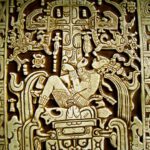 Coyopa
In the context of Maya mythology, Ek Chuah is often associated with other deities, especially those linked to commerce and agriculture. His connections with the cacao plant are particularly noteworthy, as cacao was not only a trade commodity but also used in religious rituals and as a currency. The significance of cacao in Maya society cannot be overstated; it was considered a gift from the gods and a source of divine energy. Therefore, Ek Chuah’s role as the god of cacao further solidified his status among the Maya.
Symbolism and Representation
Ek Chuah is often represented in various forms of Maya art. His depictions usually show him with black skin, which symbolizes his connection to the earth and the underworld. He is frequently portrayed holding cacao pods or other trade goods, emphasizing his role as the god of commerce. In many artifacts, he is shown wearing a headdress adorned with symbols of wealth and prosperity. These artistic representations serve not only as religious icons but also as reminders of the economic importance of trade and agriculture in Maya society.
The symbolism surrounding Ek Chuah extends beyond his physical representations. He embodies the balance between prosperity and the challenges that traders face. His black clothing symbolizes the depths of the earth, from which crops, including cacao, grow. Additionally, the dual nature of his character reflects the idea that while trade can lead to wealth, it can also bring about greed and conflict. This complexity makes Ek Chuah a multifaceted deity who represents both the positive and negative aspects of commerce.
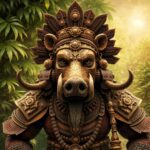 Cit Bolon Tum
Ceremonies and Rituals
To honor Ek Chuah, the Maya conducted various ceremonies and rituals, particularly during times of planting and harvest. These rituals were essential for ensuring a successful crop yield and favorable trading conditions. Offerings to Ek Chuah often included cacao, which was seen as a sacred food. The Maya believed that by offering cacao to Ek Chuah, they could secure his favor and blessings for their endeavors. These offerings were often accompanied by prayers and chants that invoked his protection and guidance.
- Offerings of cacao and other goods.
- Prayers for protection during trade.
- Rituals conducted during planting and harvest seasons.
Additionally, the Maya held festivals in honor of Ek Chuah, where merchants would gather to celebrate their trade and seek the god’s blessings. These festivals often featured music, dance, and communal feasting, reinforcing the importance of community and shared prosperity. The celebrations served as a reminder of the vital role that trade played in Maya society and the need to honor the deities who facilitated their success.
Ek Chuah in Maya Literature
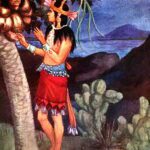 Chipi-cakulha
Ek Chuah appears in various Maya texts and literature, reflecting his significance in the cultural and religious life of the Maya. The Dresden Codex, one of the most important surviving pre-Columbian documents, contains references to Ek Chuah and his associations with trade and agriculture. These texts provide valuable insights into the beliefs and practices surrounding this deity, showcasing the intricate relationship between religion and commerce in Maya society.
In addition to the Dresden Codex, Ek Chuah is mentioned in other Maya inscriptions found in temples and stelae. These inscriptions often detail the offerings made to him and the rituals performed in his honor. By studying these texts, scholars gain a deeper understanding of how the Maya viewed Ek Chuah and the significance they placed on his role in their daily lives. The literature surrounding Ek Chuah not only highlights his importance as a deity but also reflects the broader cultural values of the Maya civilization.
Comparative Mythology
When examining Ek Chuah within the broader context of comparative mythology, it becomes clear that many cultures have deities associated with trade and agriculture. For example, in ancient Greece, Hermes was the god of trade, travelers, and thieves, often depicted with a caduceus. Similarly, in Roman mythology, Mercury held comparable attributes. These parallels highlight a common human experience: the need to seek divine favor in economic pursuits. Just as the Maya invoked Ek Chuah for protection in trade, other cultures looked to their gods for guidance and support in similar endeavors.
Moreover, the associations between deities and specific plants or commodities are prevalent across various mythologies. The connection between Ek Chuah and cacao mirrors the relationships found in other cultures where gods are tied to specific crops, such as Demeter in Greek mythology, who is associated with agriculture and the harvest. These comparative studies reveal how societies have historically sought to understand and influence the forces that govern their economic well-being through the worship of deities.
Modern Interpretations and Legacy
Today, the legacy of Ek Chuah continues to resonate within the context of modern Maya culture. While the ancient practices have evolved, the reverence for cacao remains strong. Many contemporary Maya still recognize the importance of cacao, not only as a trade commodity but also as a cultural symbol. Festivals celebrating cacao and its role in Maya culture are still observed, reflecting the enduring influence of Ek Chuah.
Furthermore, the global interest in cacao and chocolate has brought renewed attention to the cultural significance of this crop in Maya mythology. As the world becomes more aware of the historical roots of cacao, there is a growing appreciation for the role of deities like Ek Chuah in shaping the cultural identity of the Maya people. This modern recognition highlights the importance of preserving and celebrating indigenous traditions and beliefs.
Ek Chuah stands as a vital figure in Maya mythology, representing the intersection of trade, agriculture, and spirituality. His significance is evident in the rituals, art, and literature of the Maya civilization, illustrating the deep connections between their beliefs and daily lives. As we continue to explore the rich tapestry of Maya culture, the legacy of Ek Chuah serves as a reminder of the enduring importance of deities in shaping human experiences and understanding the world around us.