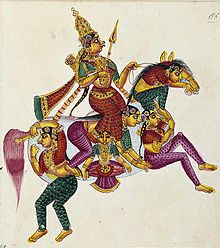
In Hindu mythology, the concept of Rati holds a significant place, as she is often associated with love, passion, and desire. Rati is known as the goddess of love and is closely linked to the god of love, Kama. Her presence in various tales and texts reflects the deep connections between love and spirituality in Hindu culture. Rati embodies the essence of romantic love and is celebrated in many festivals and traditions. Understanding her role in mythology provides insight into the values and beliefs that shape the understanding of love in Hinduism.
The Origin of Rati
Rati’s origins can be traced back to ancient texts, where she is described as the daughter of Dharmaraja and Gandharva. Her birth symbolizes the divine nature of love and its importance in the universe. Rati is often depicted as a beautiful woman, adorned with flowers and jewels, representing the allure and charm of love. In many stories, she is portrayed as the embodiment of desire, captivating the hearts of gods and mortals alike.
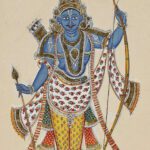 Rama
RamaIn the epic tale of Kama, Rati plays a pivotal role. Kama, the god of love, is often depicted with a bow and arrows, which he uses to instill love in the hearts of beings. Rati is his beloved wife, and their relationship exemplifies the perfect union of love and desire. Their bond is not only romantic but also spiritual, reflecting the belief that love transcends physical attraction and reaches a higher plane of existence.
Rati and Kama
The relationship between Rati and Kama is a central theme in Hindu mythology. Rati is often seen as the supportive partner of Kama, helping him in his quest to spread love throughout the world. Together, they represent the duality of love—both its physical and spiritual aspects. Rati’s influence is crucial, as she provides the emotional depth that complements Kama’s playful and mischievous nature.
One of the most famous stories involving Rati and Kama is the tale of Kama’s resurrection. In this narrative, Kama is burned to ashes by the god Shiva after he disrupts his meditation. Rati, heartbroken by the loss of her beloved, pleads with the gods to bring him back. Moved by her devotion, the gods grant her wish, and Kama is resurrected. This story highlights the power of love and the lengths one will go to for their beloved.
 Rakshasas
Symbolism of Rati
Rati is rich in symbolism, representing not only romantic love but also the deeper emotional connections that bind individuals together. She is often associated with the lotus flower, which signifies purity and beauty. In Hindu philosophy, the lotus is a powerful symbol of spiritual awakening, and Rati embodies this connection between physical love and spiritual growth.
Furthermore, Rati is often depicted alongside various elements that represent love and desire, such as fragrant flowers, musical instruments, and sweet treats. These symbols reflect the joy and pleasure that love brings into people’s lives. In many traditional art forms, Rati’s images are adorned with vibrant colors, showcasing her connection to the beauty and passion of love.
Rati in Hindu Festivals
Rati is celebrated in several Hindu festivals, where her significance as the goddess of love is highlighted. One of the most notable festivals is Holi, the festival of colors. During Holi, people celebrate the arrival of spring and the triumph of love over evil. Rati’s presence is felt in the joyous atmosphere, as participants throw colored powders and water at each other, symbolizing the vibrant and playful nature of love.
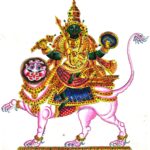 Rahu
RahuAnother important celebration is Vasant Panchami, which marks the onset of spring. This festival is dedicated to Saraswati, the goddess of knowledge, music, and arts, but it also honors Rati as a symbol of love and beauty. People engage in various activities such as singing, dancing, and creating art, all of which are inspired by the themes of love and devotion.
Rati in Literature and Art
Rati has been a source of inspiration for many poets, writers, and artists throughout history. Her stories and symbolism have been woven into various forms of literature, from ancient texts to modern poetry. In classical Sanskrit literature, Rati is often referenced in romantic poetry, where her beauty and grace are celebrated. Poets use her as a metaphor for love’s enchanting power, illustrating the ways in which love can transform individuals.
In art, Rati is frequently depicted in traditional paintings and sculptures, showcasing her allure and connection to love. Artists often portray her in a variety of poses, emphasizing her beauty and grace. These artistic representations serve as a reminder of the importance of love in human life and the divine nature of romantic relationships.
Rati’s Influence on Modern Hindu Culture
Today, Rati continues to influence Hindu culture and beliefs about love. Her stories are often retold in various forms, including theater, dance, and cinema. Modern interpretations of Rati and her relationship with Kama serve to highlight the enduring significance of love in contemporary society. People draw inspiration from her tales, reflecting on the importance of love in their own lives.
In addition, Rati’s symbolism is often invoked in wedding ceremonies and celebrations, where couples seek blessings for a harmonious and loving relationship. The ideals of love, passion, and devotion that Rati represents are integral to the values upheld in Hindu marriages. Couples often look to her as a guiding force in their journey together, hoping to embody the love that Rati and Kama share.
Rati and the Concept of Desire
In Hindu philosophy, desire is seen as a natural part of human existence. Rati embodies this aspect of desire, representing not only romantic longing but also the deeper desires that drive individuals toward fulfillment. Her presence in mythology serves as a reminder that desire, when guided by love, can lead to profound spiritual experiences.
Rati’s association with desire also raises questions about the nature of love and attachment. While love is celebrated, it is essential to recognize the balance between desire and detachment in spiritual practices. Many texts suggest that true love transcends mere physical attraction, evolving into a deeper connection that fosters growth and understanding. Rati’s character embodies this journey, illustrating the transformative power of love and desire.
Rati in Contemporary Discussions
In recent years, discussions surrounding love and relationships have evolved, incorporating Rati’s lessons into modern contexts. People are increasingly recognizing the importance of emotional intelligence and communication in romantic relationships. Rati’s story serves as a reminder that love requires effort, understanding, and mutual respect.
Moreover, Rati’s influence can be seen in various self-help literature and relationship counseling. Her symbolism is often used to illustrate the complexities of love and desire, encouraging individuals to explore their emotions and understand their relationships on a deeper level. By reflecting on Rati’s journey, people can gain valuable insights into their own experiences with love and desire.
Rati’s significance in Hindu mythology extends beyond her role as the goddess of love. She embodies the complexities of human emotions, the transformative power of love, and the importance of spiritual growth. Through her stories, Rati teaches valuable lessons about desire, attachment, and the essence of true love. As society continues to evolve, Rati remains a timeless figure, inspiring individuals to embrace love in all its forms.