
Coyopa is a significant figure in Maya mythology, often associated with the concept of war and chaos. He is considered one of the deities who presides over conflict and strife, reflecting the turbulent nature of life in the ancient Maya civilization. In the intricate tapestry of Maya beliefs, Coyopa embodies the duality of destruction and renewal, which is a recurring theme in many mythologies around the world. This article will delve into various aspects of Coyopa, exploring his origins, attributes, and the roles he played in the rich narrative of Maya culture.
Origins of Coyopa
The origins of Coyopa are deeply rooted in the Maya cosmology. He is often depicted as a powerful and fearsome deity who emerges from the chaos of creation. According to ancient texts, Coyopa is believed to have been born from the primordial waters, which symbolize the beginning of all things. This connection to water is significant, as it represents both life and destruction. The ancient Maya viewed water as a source of fertility but also as a force capable of bringing about chaos and upheaval.
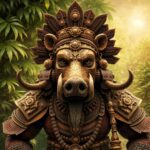 Cit Bolon Tum
Coyopa’s origins can also be linked to the Maya pantheon, where he is sometimes associated with other deities of war and conflict. His connections to these gods highlight the importance of warfare in Maya society, where battles were often fought for territory, resources, and honor. The duality of Coyopa’s nature, embodying both chaos and creation, reflects the complexity of human existence and the struggles faced by the Maya people.
Attributes and Symbolism
Coyopa is often depicted with various attributes that symbolize his connection to war and chaos. He is frequently shown wearing a headdress adorned with feathers and skulls, signifying his role as a warrior god. The skulls represent death and the sacrifices made in battle, while the feathers symbolize the spiritual realm and the connection between the earth and the heavens. This visual representation of Coyopa serves to remind the Maya people of the consequences of war and the sacrifices required for victory.
In addition to his fearsome appearance, Coyopa is associated with several symbols that further emphasize his role in Maya mythology. For instance, he is often linked to the lightning bolt, which represents both the destructive power of storms and the cleansing aspect of rain. This duality is essential in understanding Coyopa’s significance; while he brings chaos and destruction, he also facilitates renewal and growth. The lightning bolt serves as a reminder that from destruction can come new life, a theme that resonates deeply within Maya beliefs.
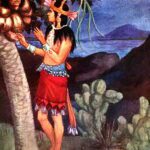 Chipi-cakulha
Coyopa in Maya Rituals
The worship of Coyopa played a crucial role in Maya rituals and ceremonies. He was often invoked during times of war or conflict, as the Maya sought his favor to ensure victory over their enemies. Rituals dedicated to Coyopa typically involved offerings of food, incense, and even human sacrifices, reflecting the seriousness with which the Maya regarded their relationship with the gods. These offerings were meant to appease Coyopa and seek his guidance and protection in battle.
In addition to warfare, Coyopa was also honored during agricultural ceremonies. The Maya believed that the chaos he represented was necessary for the growth of crops, as the storms and rains he brought were essential for irrigation. Thus, rituals honoring Coyopa often included prayers for favorable weather conditions, highlighting the interconnectedness of war and agriculture in Maya society. This duality emphasizes the importance of balance in the natural world and the need to honor the forces that govern it.
Coyopa in Myths and Legends
Coyopa appears in various myths and legends that illustrate his significance in the Maya worldview. One such story tells of a great battle between the gods, where Coyopa plays a pivotal role in the conflict. In this myth, he is depicted as a fierce warrior who leads the charge against the opposing deities. His actions in battle are seen as a reflection of the struggles faced by the Maya people, who often engaged in warfare to defend their territory and honor.
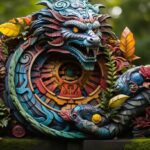 Chiccan
Another legend recounts how Coyopa once challenged the other gods to a contest of strength and skill. This contest was not merely for bragging rights; it was a way for the gods to demonstrate their power and assert their dominance over one another. In this story, Coyopa’s cunning and strategic thinking allow him to emerge victorious, solidifying his position as a formidable deity. Such myths served to reinforce the values of bravery, strength, and cunning in Maya culture, qualities that were highly esteemed in both warfare and daily life.
Coyopa’s Influence on Maya Society
The influence of Coyopa extended beyond religious rituals and myths; he played a significant role in shaping Maya society as a whole. His association with war and chaos made him a symbol of the struggles faced by the Maya people, who often lived in a state of tension due to conflicts with neighboring city-states. The reverence for Coyopa fostered a culture that valued martial prowess and bravery, traits that were essential for survival in a world filled with threats.
Coyopa’s influence can also be seen in the political structures of the Maya civilization. Rulers often sought to align themselves with the god of war to legitimize their authority and military campaigns. By invoking Coyopa’s name, leaders could rally their people and gain support for their endeavors. This connection between religion and politics illustrates how deeply intertwined the two were in Maya culture, with deities like Coyopa serving as powerful symbols for rulers and warriors alike.
Coyopa in Art and Iconography
The representation of Coyopa in Maya art and iconography provides valuable insights into how the ancient civilization viewed this deity. Artists often depicted Coyopa in murals, pottery, and sculptures, showcasing his fearsome attributes and the themes associated with him. These artistic representations served not only as a form of worship but also as a means of storytelling, allowing the Maya to convey complex narratives about their gods and the world around them.
In many depictions, Coyopa is shown in dynamic poses, emphasizing his role as a warrior and leader. His imagery often includes elements like weapons, feathers, and storm motifs, which symbolize his connection to chaos and conflict. The vibrant colors and intricate details in these artworks reflect the importance of Coyopa in Maya culture, illustrating how art was used to honor and remember the deities that shaped their lives.
Modern Interpretations of Coyopa
In contemporary discussions about Maya mythology, Coyopa remains a figure of interest for scholars and enthusiasts alike. Modern interpretations of Coyopa often focus on his duality as a deity of chaos and renewal, exploring how these themes resonate with today’s world. Scholars examine the ways in which Coyopa’s attributes can be applied to contemporary issues, such as conflict resolution and the balance between destruction and creation in human life.
Additionally, Coyopa’s story has become a point of fascination in popular culture, inspiring various forms of media, including literature and art. By reinterpreting Coyopa’s myths and legends, modern creators contribute to the ongoing dialogue about the significance of ancient beliefs in today’s society. This revitalization of Coyopa’s image highlights the enduring nature of Maya mythology and its ability to inspire new generations to explore the rich cultural heritage of the Maya civilization.
The Legacy of Coyopa
The legacy of Coyopa is evident in the ongoing interest in Maya culture and mythology. His story serves as a reminder of the complex relationship between humanity and the forces of nature, as well as the importance of honoring the gods that govern these forces. As modern society grapples with issues of conflict and chaos, Coyopa’s narrative offers valuable lessons about resilience, bravery, and the cyclical nature of life.
Moreover, the study of Coyopa and other Maya deities has contributed to a broader understanding of the ancient civilization’s worldview. By examining the beliefs and practices surrounding Coyopa, researchers gain insights into the social, political, and environmental factors that shaped the lives of the Maya people. This knowledge is essential for appreciating the depth and richness of Maya mythology and its relevance in contemporary discussions about culture and identity.