
Eileithyia is a fascinating figure in Greek mythology, known primarily as the goddess of childbirth. Her role was crucial in the ancient world, as she was believed to assist women during labor and delivery. In a society where childbirth was fraught with danger, the presence of a deity like Eileithyia offered hope and comfort. She was often invoked by women who were about to give birth, as they sought her protection and guidance during one of the most challenging experiences of their lives. Eileithyia’s importance is reflected in the rituals and prayers that were dedicated to her, showcasing the reverence ancient Greeks had for her.
The Origins of Eileithyia
The origins of Eileithyia can be traced back to ancient Greece, where she was considered a daughter of Hera, the queen of the gods. Hera herself was often associated with marriage and family, making Eileithyia a fitting addition to her lineage. Some myths suggest that Eileithyia was born from the union of Hera and Zeus, the king of the gods, while others claim that she was born from Gaia, the earth goddess. Regardless of her parentage, Eileithyia was revered for her unique abilities and her role in the cycle of life.
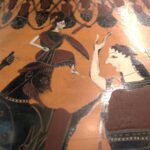 Ilithyia
In addition to being a goddess of childbirth, Eileithyia was also associated with labor and the struggles that accompany it. This duality in her character highlights the complexities of childbirth, which is both a beautiful and perilous experience. In some myths, Eileithyia is depicted as a gentle and nurturing figure, while in others, she is shown as a powerful force that can influence the outcome of labor. This multifaceted nature of Eileithyia underscores her significance in the lives of ancient Greek women.
The Role of Eileithyia in Childbirth
Eileithyia’s primary role was to assist women during childbirth. Ancient Greeks believed that she could either facilitate or hinder the process of labor. When a woman was in labor, it was common for her to call upon Eileithyia for support. This act of invoking the goddess was a way to seek divine intervention in what was often a life-threatening situation. The belief in Eileithyia’s power to ease childbirth provided women with a sense of comfort and hope.
Women would often perform rituals to honor Eileithyia before giving birth. These rituals could include offerings of flowers, incense, or small figurines representing the goddess. By performing these acts, women sought to gain Eileithyia’s favor and ensure a safe delivery. The rituals varied from region to region, but the underlying theme remained the same: a deep respect for the goddess who held the power over life and death during childbirth.
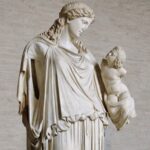 Eirene
Common Rituals for Eileithyia
- Offering flowers and herbs to Eileithyia at local shrines.
- Praying for a swift and safe delivery during labor.
- Creating small figurines or images of Eileithyia to keep by the birthing bed.
- Participating in communal gatherings to celebrate the goddess and share stories of childbirth.
These rituals served not only as a means to connect with the divine but also as a way to foster a sense of community among women. By sharing their experiences and invoking Eileithyia together, women could support one another during the challenging journey of motherhood. This communal aspect of worship was particularly important in ancient Greek society, where the bonds between women were often strengthened through shared experiences.
Eileithyia in Art and Literature
Eileithyia has been depicted in various forms of art and literature throughout ancient Greece. Her representations often reflect her role as a nurturing figure who provides comfort to women in labor. In ancient pottery, she is frequently shown alongside other goddesses, such as Hera and Artemis, symbolizing her importance in the pantheon of Greek deities. These artistic representations not only highlight her significance but also serve as a reminder of the reverence ancient Greeks had for the divine forces that influenced their lives.
In literature, Eileithyia appears in several ancient texts, where her role in childbirth is emphasized. For instance, in Homer’s “Odyssey,” she is mentioned in the context of labor, showcasing her importance in the lives of women. Additionally, various hymns and poems were dedicated to her, celebrating her power and influence. These literary works provide insight into the beliefs and practices surrounding childbirth in ancient Greece, illustrating the profound impact Eileithyia had on women’s lives.
 Electra
The Symbolism of Eileithyia
The symbolism associated with Eileithyia is rich and varied. She is often depicted holding symbols of fertility and childbirth, such as a torch or a wreath. The torch represents the light of life and the hope that comes with new beginnings, while the wreath symbolizes the cyclical nature of life and death. These symbols reflect her dual role as both a guardian of childbirth and a reminder of the fragility of life.
Furthermore, Eileithyia’s presence in various myths highlights the interconnectedness of life, death, and rebirth. Her ability to influence the outcome of childbirth serves as a reminder that life is a delicate balance of forces. In this sense, Eileithyia embodies the complexities of motherhood and the profound emotional and physical challenges that accompany it.
Comparative Deities in Other Mythologies
Eileithyia’s role as a goddess of childbirth is not unique to Greek mythology. Many cultures have their own deities who oversee the process of labor and delivery. For instance, in Roman mythology, the goddess Lucina was revered for her role in childbirth. Similar to Eileithyia, Lucina was called upon by women in labor, and her presence was believed to ensure a safe delivery. This parallel highlights the universal nature of childbirth and the need for divine assistance across different cultures.
In Egyptian mythology, the goddess Taweret was also associated with childbirth and motherhood. Depicted as a hippo with human features, Taweret was believed to protect women during labor and ensure the safety of both mother and child. The similarities between Eileithyia and these other deities underscore the shared human experience of childbirth and the desire for protection and guidance during this transformative time.
Modern Interpretations of Eileithyia
In contemporary society, the legacy of Eileithyia continues to resonate, especially in discussions surrounding childbirth and maternal health. While the rituals and beliefs of ancient Greece may no longer be practiced, the underlying themes of support and reverence for childbirth remain relevant. Many modern women still seek spiritual guidance during labor, whether through meditation, prayer, or the presence of supportive figures. Eileithyia serves as a symbol of this ongoing connection to the divine during the transformative experience of childbirth.
Moreover, the conversation around childbirth has evolved, with a greater emphasis on women’s rights and autonomy. The goddess Eileithyia can be seen as a reminder of the importance of honoring women’s experiences and choices during childbirth. By acknowledging the power and strength of women, society can create a more supportive environment for those embarking on the journey of motherhood.
Eileithyia stands as a powerful symbol of the ancient Greek understanding of childbirth. Her role as the goddess of labor reflects the deep respect and reverence that society held for the process of bringing new life into the world. Through rituals, art, and literature, Eileithyia’s influence has endured, serving as a reminder of the complexities of motherhood and the ongoing need for support and guidance during childbirth. As modern society continues to grapple with the challenges of childbirth, the legacy of Eileithyia remains a poignant reminder of the sacredness of this transformative experience.