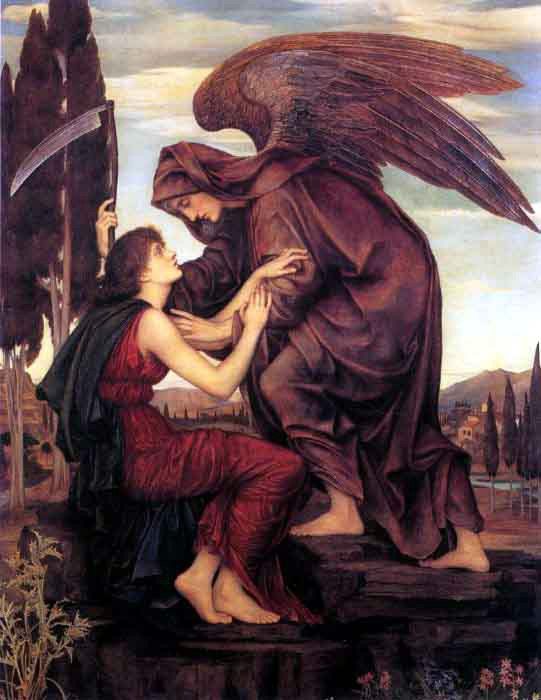
Samael is a figure that has captured the imagination of many across different cultures and religions. Often associated with the concept of fallen angels, Samael represents a complex blend of good and evil. This duality has led to various interpretations of his character throughout history. In this article, we will explore the origins, characteristics, and various interpretations of Samael, as well as his role in different religious texts and traditions.
Origins of Samael
 Satan
SatanThe name Samael comes from ancient texts, primarily within the Jewish tradition. In Hebrew, Samael means “poison of God” or “venom of God,” which indicates his dual nature as both an angel and a demon. This term suggests a being who is tasked with carrying out God’s will, yet has a darker side that can lead to destruction and chaos. Samael’s origins are often traced back to Kabbalistic teachings, where he is sometimes viewed as an archangel who fell from grace.
In the Kabbalah, Samael is often associated with the sefirah of severity, which indicates that he has the power to bring about judgment and punishment. This aligns with his role as an accuser or adversary, a theme that is prevalent in various religious narratives. As a figure representing both divine justice and malevolence, Samael embodies the complexity of human nature and the struggles between good and evil.
Samael in Religious Texts
Samael appears in various religious texts, including the Talmud and the Book of Enoch. In the Talmud, he is often portrayed as an angel of death, responsible for taking souls from the mortal realm. This role highlights his connection to mortality and the transient nature of human life. Samael’s function as the angel of death suggests that he is not merely a harbinger of doom but also a necessary part of the cycle of life and death.
 Seere
SeereIn the Book of Enoch, Samael is depicted as one of the fallen angels who descended to Earth to mate with human women, leading to the birth of the Nephilim, a race of giants. This narrative adds another layer to his character, emphasizing the consequences of defiance against divine authority. The act of falling from grace is significant, as it reflects the broader theme of rebellion and the desire for knowledge that is often seen in religious texts.
The Dual Nature of Samael
The duality of Samael’s character is a recurring theme in various interpretations. On one hand, he is seen as a bringer of knowledge, a figure who challenges the status quo and encourages humanity to question divine authority. On the other hand, he embodies destruction and chaos, serving as a reminder of the consequences of transgression. This dual nature makes Samael a compelling figure in religious discussions, as he represents the tension between obedience and rebellion.
Many scholars argue that Samael’s duality can be interpreted as a reflection of human experience. Just as humans are capable of both good and evil, Samael embodies these traits as a celestial being. His character challenges the notion of absolute good and evil, suggesting that the line between the two is often blurred. This complexity invites deeper exploration into the nature of morality and the choices individuals make throughout their lives.
 Semyaza
Samael in Literature and Culture
Samael has also found his way into various works of literature and art, influencing cultural depictions of fallen angels. In literature, Samael is often portrayed as a tragic figure, embodying the struggles of those who seek knowledge at great personal cost. Writers have used his character to explore themes of redemption, loss, and the search for meaning in a chaotic world. His story resonates with readers who grapple with their own moral dilemmas and the consequences of their actions.
In art, Samael is frequently depicted in a variety of forms, ranging from beautiful and alluring to grotesque and terrifying. These representations reflect the complexity of his character and the duality of his nature. Artists often use imagery that highlights his connection to death and darkness, while also emphasizing the beauty and allure that can accompany such themes. This interplay between light and dark in artistic representations of Samael serves to illustrate the multifaceted nature of his being.
Samael and Modern Interpretations
In modern times, Samael continues to be a subject of fascination. Many contemporary interpretations focus on his role as a symbol of rebellion and individualism. In an age where questioning authority is more prevalent than ever, Samael represents the struggle against oppressive systems. This interpretation aligns with the views of those who seek to challenge traditional norms and explore alternative perspectives on morality and existence.
Additionally, Samael has found a place in popular culture, appearing in various forms of media such as films, television shows, and video games. These portrayals often draw on the themes of power, knowledge, and the consequences of one’s choices. By incorporating Samael into modern narratives, creators are able to explore timeless questions about humanity’s relationship with the divine and the nature of good and evil.
The Role of Samael in Esoteric Traditions
In esoteric traditions, Samael is often viewed through a mystical lens, where his character serves as a guide for spiritual seekers. He is sometimes associated with the Left-Hand Path, a spiritual approach that embraces individualism and personal empowerment. This perspective emphasizes the importance of self-discovery and the pursuit of knowledge, even if it leads to challenging traditional beliefs.
Esoteric teachings often present Samael as a teacher who encourages individuals to confront their inner demons and embrace their shadow selves. This process of self-exploration is seen as essential for achieving spiritual growth and enlightenment. By facing the darker aspects of one’s nature, individuals can gain a deeper understanding of themselves and their place in the universe.
Samael and the Concept of Redemption
The theme of redemption is central to many interpretations of Samael. Despite his association with darkness and chaos, there are narratives that suggest the possibility of redemption for Samael. This idea is particularly appealing to those who believe in the transformative power of forgiveness and the potential for change. The notion that even a fallen angel can seek redemption offers hope and serves as a reminder that no one is beyond salvation.
In various spiritual traditions, the journey of Samael can be seen as a metaphor for the human experience. Just as Samael grapples with his dual nature, individuals also face their own struggles with morality and the consequences of their choices. This shared journey highlights the importance of compassion and understanding in the quest for redemption. It encourages individuals to recognize that everyone has the capacity for growth and transformation, regardless of their past actions.
Conclusion: The Legacy of Samael
The legacy of Samael continues to evolve as new interpretations emerge and cultural contexts shift. As a figure representing both light and darkness, Samael invites individuals to explore the complexities of their own existence. His story serves as a reminder of the ongoing struggle between good and evil, and the choices that define our humanity. Through literature, art, and spiritual teachings, Samael remains a powerful symbol of the dual nature of existence and the quest for understanding in a complex world.