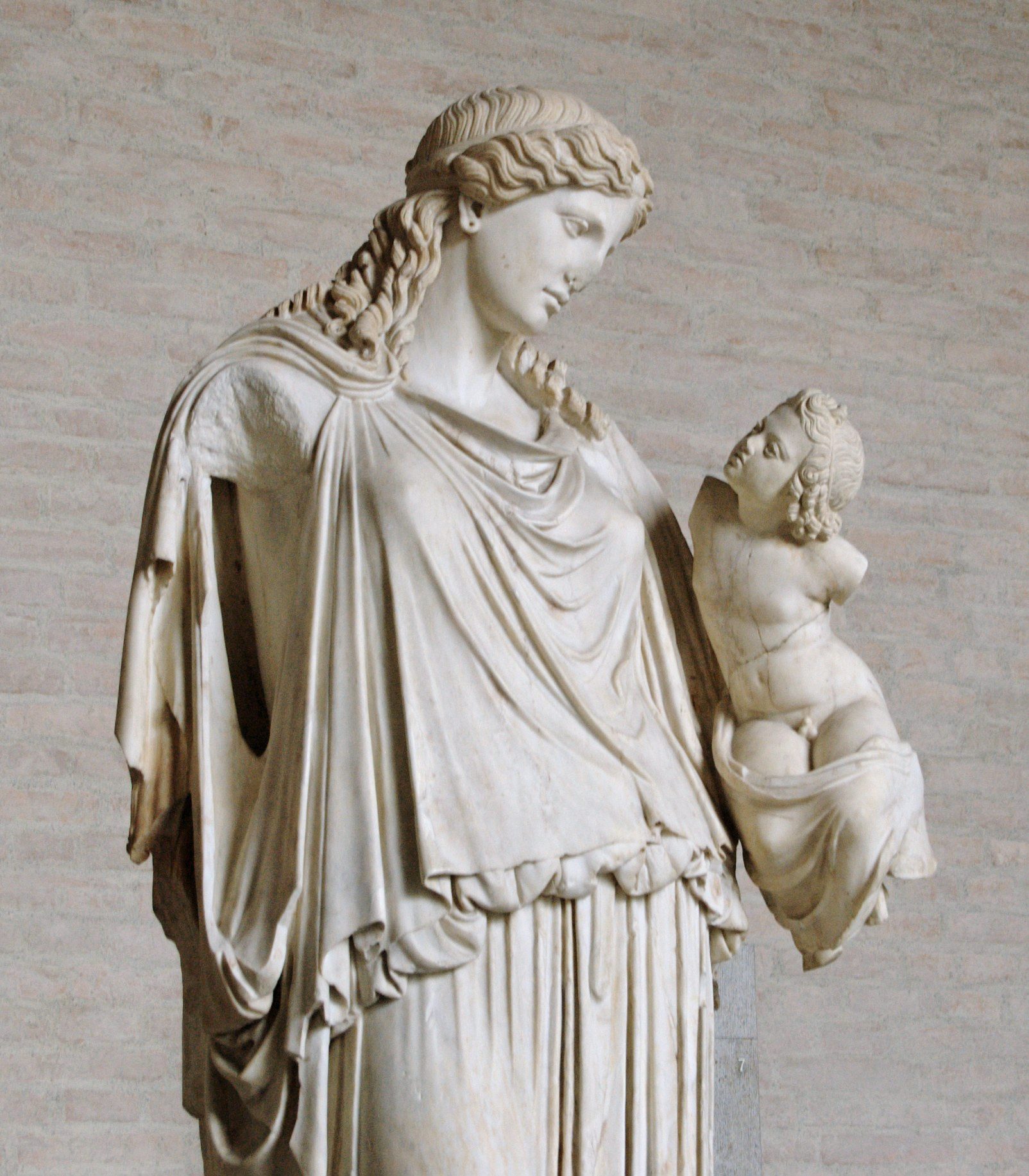
Eirene, known as the Greek goddess of peace, holds a significant place in Greek mythology. She is often depicted as a beautiful young woman carrying a cornucopia, a symbol of abundance, and sometimes a torch or a scepter. Eirene is one of the three Horae, the goddesses of the seasons and natural order, along with her sisters, Dike (justice) and Eunomia (good governance). Together, they represent the harmony and balance necessary for a prosperous society. Eirene’s presence in mythology highlights the importance of peace and tranquility in both personal and communal life.
The Origins of Eirene
The origins of Eirene can be traced back to ancient Greece, where she was worshipped as a goddess who brought peace and prosperity. Her name, Eirene, literally translates to “peace” in Greek, which reflects her role and significance in the pantheon of deities. She is often depicted in art and literature alongside her sisters, symbolizing the interconnectedness of peace, justice, and order. The Horae were believed to regulate the natural world and societal norms, making Eirene a crucial figure in maintaining harmony within communities.
 Electra
In ancient texts, Eirene is sometimes associated with the goddess Demeter, the goddess of agriculture, emphasizing the idea that peace leads to prosperity and abundance. When the land is at peace, it flourishes, and the people can enjoy the fruits of their labor. This connection between peace and agricultural bounty highlights the essential role that Eirene played in the lives of the ancient Greeks, who relied heavily on farming and trade for their sustenance.
Eirene in Art and Literature
Eirene has been a popular subject in various forms of art throughout history. Ancient sculptures and pottery often depict her in a serene pose, holding symbols of peace and prosperity. One famous statue of Eirene is the “Eirene holding the infant Plutus,” which was created by the sculptor Kephisodotos in the 4th century BCE. This statue illustrates Eirene as a nurturing figure, emphasizing her role in bringing wealth and abundance to the people.
In literature, Eirene is often mentioned in works by ancient poets and playwrights. For instance, she is referenced in the writings of Hesiod and Homer, where her presence is associated with the well-being of the community. In these texts, Eirene embodies the ideal state of society, where peace prevails, and individuals can thrive without conflict or strife. Her character serves as a reminder of the values that the ancient Greeks held dear, including the importance of unity and cooperation among citizens.
 Electra-
The Symbolism of Eirene
The symbolism associated with Eirene is rich and multifaceted. As the goddess of peace, she represents the absence of conflict and the presence of harmony in both personal relationships and society as a whole. Eirene’s attributes, such as the cornucopia, signify abundance and prosperity, suggesting that peace is essential for growth and success. This symbolism resonates deeply with the ancient Greeks, who understood that a peaceful environment fosters creativity, productivity, and overall well-being.
Additionally, Eirene is often depicted with a torch, symbolizing enlightenment and the guiding light of peace. The torch represents the idea that peace should be actively pursued and maintained, rather than simply being the absence of war or violence. Eirene’s torch serves as a reminder that individuals have the power to promote peace in their communities through their actions and choices. This message remains relevant today, as societies continue to grapple with conflicts and strive for harmony.
Eirene’s Influence on Society
The influence of Eirene extends beyond mythology and art; she played a vital role in shaping the values and beliefs of ancient Greek society. As a goddess who embodied peace, Eirene was often invoked during times of conflict or unrest. Citizens would pray to her for guidance and support in achieving harmony within their communities. Her presence in public rituals and festivals underscored the importance of peace in the daily lives of the ancient Greeks.
 Electra-
Furthermore, Eirene’s influence can be seen in the political sphere, where leaders would often align themselves with her ideals to gain favor among the people. Rulers who promoted peace and stability were celebrated, and their achievements were often attributed to Eirene’s blessings. This connection between Eirene and political leadership highlights the idea that peace is not just a personal virtue but a societal necessity that contributes to the overall success and well-being of a community.
Eirene and the Modern World
Today, Eirene continues to resonate with people around the world as a symbol of peace and harmony. Her image is often invoked in discussions about conflict resolution and the importance of fostering understanding among diverse groups. In a world that is increasingly interconnected yet often divided, Eirene’s message of peace remains relevant. Many organizations and movements draw inspiration from her legacy, advocating for non-violence and cooperation as essential components of a healthy society.
Additionally, Eirene’s symbolism can be seen in various cultural celebrations and events that promote peace. For example, international days dedicated to peace, such as the United Nations International Day of Peace, reflect the ideals that Eirene embodies. These events serve as a reminder of the ongoing need for dialogue, understanding, and collaboration among individuals and nations to create a more peaceful world.
Rituals and Worship of Eirene
In ancient Greece, Eirene was honored through various rituals and festivals that celebrated her role as the goddess of peace. One of the most notable celebrations was the Pax festival, which took place in several city-states. During this festival, citizens would come together to engage in communal activities that promoted unity and harmony. Offerings were made to Eirene, and prayers were offered to invoke her blessings for peace and prosperity.
Another important aspect of Eirene’s worship was the establishment of altars dedicated to her in public spaces. These altars served as focal points for the community to gather and reflect on the importance of peace in their lives. Citizens would light candles and offer flowers, symbolizing their commitment to fostering a peaceful environment. This practice underscored the belief that peace is not only a divine gift but also a responsibility that each individual must uphold.
Eirene in Comparative Mythology
Eirene’s role as the goddess of peace can be compared to similar figures in other mythologies. For example, in Roman mythology, the goddess Pax embodies the same ideals of peace and tranquility. Like Eirene, Pax is often depicted with symbols of abundance and prosperity, highlighting the connection between peace and societal well-being. This parallel illustrates how different cultures recognize the significance of peace in their belief systems.
In Hindu mythology, the concept of Shanti represents peace and is often invoked in prayers and rituals. Shanti embodies the idea of inner and outer peace, similar to Eirene’s representation in Greek mythology. These comparative figures across cultures emphasize the universal desire for harmony and the acknowledgment that peace is a fundamental aspect of human existence.
The Legacy of Eirene
The legacy of Eirene endures in various aspects of modern culture, from literature and art to political discourse. Her image is often used as a symbol in movements advocating for peace and social justice. Artists and writers continue to draw inspiration from her character, exploring themes of harmony, unity, and the importance of fostering peaceful relationships among individuals and communities.
Moreover, Eirene’s teachings can be applied to contemporary issues, such as conflict resolution, diplomacy, and community building. Her emphasis on the importance of peace as a foundation for prosperity serves as a guiding principle for individuals and leaders alike. In a world marked by division and strife, Eirene’s message remains a powerful reminder of the potential for cooperation and understanding to create a better future.
Eirene in Popular Culture
In recent years, Eirene has made appearances in various forms of popular culture, including films, literature, and video games. Her character often symbolizes the struggle for peace and the importance of harmony in the face of adversity. These portrayals serve to keep her legacy alive and introduce her ideals to new generations who may not be familiar with Greek mythology.
Additionally, Eirene’s influence can be seen in the names of organizations and initiatives focused on peace-building and conflict resolution. By adopting her name and attributes, these groups honor her legacy while actively working towards creating a more peaceful world. This connection between Eirene and modern efforts for peace underscores the timeless relevance of her message and the enduring human aspiration for a harmonious existence.
The Spiritual Significance of Eirene
The spiritual significance of Eirene extends beyond her role as a goddess; she represents the inner peace that individuals seek in their lives. In a world filled with chaos and uncertainty, Eirene serves as a reminder of the importance of cultivating peace within oneself. This inner tranquility allows individuals to navigate life’s challenges with grace and resilience, fostering a sense of harmony that can positively impact their relationships and communities.
Many spiritual practices emphasize the pursuit of inner peace, drawing parallels to Eirene’s teachings. Meditation, mindfulness, and self-reflection are often encouraged as ways to connect with the essence of peace that Eirene embodies. By embracing these practices, individuals can cultivate a deeper understanding of themselves and their place in the world, ultimately contributing to a more peaceful society.
Conclusion: Embracing Eirene’s Legacy
As we explore the rich tapestry of Greek mythology, Eirene stands out as a powerful symbol of peace and harmony. Her legacy continues to inspire individuals and communities around the world to strive for understanding, cooperation, and tranquility. By embracing the ideals that Eirene represents, we can work towards creating a more harmonious world, where the values of peace and prosperity are upheld and celebrated. Eirene’s message serves as a guiding light, reminding us of the importance of fostering peace within ourselves and our communities for generations to come.