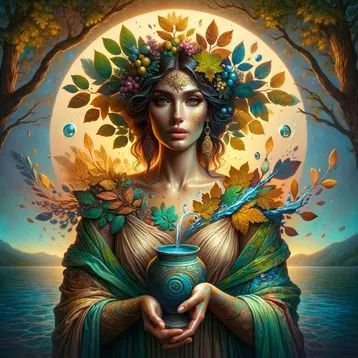
Dione is a fascinating figure in Greek mythology, often associated with the ancient Greek pantheon of gods and goddesses. While she may not be as widely recognized as deities like Zeus or Athena, her story and significance are rich and compelling. Dione is sometimes considered the mother of the goddess Aphrodite, the embodiment of love and beauty. This connection to Aphrodite places Dione in a pivotal role within the mythological narratives that explore themes of love, beauty, and femininity. The ancient Greeks held a deep reverence for their deities, and Dione’s character adds depth to the tapestry of their beliefs.
The Origins of Dione
The origins of Dione are somewhat ambiguous, with various ancient texts offering different perspectives on her lineage. In some accounts, she is described as a Titaness, a member of the primordial beings that predate the Olympian gods. Her name itself is derived from the ancient Greek word “Dios,” meaning “of Zeus,” which suggests a possible connection to the king of the gods. This association hints at her importance within the mythological hierarchy. Some scholars suggest that Dione may have originally been a goddess of the earth or a protective figure associated with the oracle of Dodona, where she was worshiped alongside Zeus.
 Dioscuri
In the context of her relationship with Zeus, Dione is often depicted as his consort. This partnership is significant, as it highlights the interplay between divine power and femininity in Greek mythology. The myths surrounding Dione reveal a complex character who embodies both strength and nurturing qualities. Unlike many other female figures in mythology who are often relegated to the background, Dione holds a prominent position as a mother and a divine figure in her own right. This duality makes her an intriguing subject for those interested in the dynamics of gender and power in ancient Greek culture.
Dione and Aphrodite
One of the most notable aspects of Dione’s mythology is her connection to Aphrodite, the goddess of love and beauty. In some versions of the myth, Dione is considered to be the mother of Aphrodite, giving her a vital role in the goddess’s origin story. This relationship between mother and daughter adds layers of meaning to both characters, as it intertwines themes of love, beauty, and maternal influence. Dione’s nurturing nature is reflected in the way she is often portrayed as a guiding force in Aphrodite’s life.
Aphrodite herself is a complex deity, often associated with both love and conflict. The dual nature of her character can be traced back to her origins, which are influenced by her relationship with Dione. As the mother of such a powerful and multifaceted goddess, Dione’s presence serves as a reminder of the importance of familial bonds in Greek mythology. The stories that feature both Dione and Aphrodite often explore the challenges and triumphs of love, illustrating how these themes resonate throughout the human experience.
 Doris
DorisDione in Ancient Texts
Dione appears in several ancient texts, where her character is described in various ways. One of the primary sources that mention her is the Homeric Hymn to Aphrodite, which emphasizes her role as the mother of the goddess. In this hymn, Dione is depicted as a divine figure who possesses wisdom and insight. Her presence is a reminder of the interconnectedness of the divine family and the influence that one generation can have on the next. This theme of inheritance is prevalent in Greek mythology, where the actions and choices of gods and goddesses often have lasting repercussions.
Additionally, Dione is mentioned in Hesiod’s Theogony, a foundational text of Greek mythology that outlines the genealogy of the gods. In this work, she is recognized as a significant figure within the broader context of the divine hierarchy. Hesiod’s portrayal of Dione contributes to our understanding of her character, emphasizing her role as a nurturing mother and a powerful goddess. These ancient texts serve as vital resources for scholars and enthusiasts alike, as they provide insight into the beliefs and values of ancient Greek society.
The Worship of Dione
The worship of Dione was not as widespread as that of some other deities, but she held a respected place in certain cults and religious practices. One of the most notable sites of worship dedicated to Dione was the oracle of Dodona, located in Epirus. This ancient sanctuary was known for its prophetic abilities and was often associated with the worship of Zeus. Dione was revered there as a goddess of wisdom and divination, complementing the role of Zeus in the oracular traditions. The rituals and ceremonies held in her honor reflected the deep respect that ancient Greeks had for the divine and the mysteries of the universe.
 Dryads
The cult of Dione at Dodona was characterized by various rituals, including offerings and sacrifices. Worshippers sought her guidance and wisdom, believing that she could provide insights into their lives and the future. The connection between Dione and Zeus at this site further underscores the collaborative nature of their divine roles. Together, they represented a harmonious balance between male and female energies, showcasing the importance of both in the spiritual practices of ancient Greece.
Dione in Art and Literature
Dione’s presence in art and literature is less prominent than that of other deities, but she has not been entirely overlooked. Various ancient artists and poets have depicted her in their works, often highlighting her maternal qualities and divine beauty. In classical sculptures and paintings, Dione is sometimes portrayed alongside her daughter Aphrodite, emphasizing their close relationship. These artistic representations serve as a testament to her significance within the mythological canon, even if she is not as widely recognized today.
In literature, Dione’s character has inspired various interpretations and adaptations. Modern retellings of Greek myths often explore her role as a mother and a goddess, shedding light on her influence in the lives of other deities. Authors and playwrights have drawn upon her story to examine themes of love, beauty, and the complexities of familial relationships. By reimagining Dione’s character, contemporary artists continue to keep her legacy alive, ensuring that her story resonates with new generations.
The Legacy of Dione
The legacy of Dione in Greek mythology is multifaceted, as she embodies themes of motherhood, wisdom, and the interconnectedness of the divine. While she may not be as well-known as some of her contemporaries, her influence is felt through her association with Aphrodite and the stories that explore the dynamics of love and beauty. Dione’s character challenges the traditional notions of femininity in mythology, showcasing a powerful figure who is both nurturing and strong.
Furthermore, Dione’s role in the oracle of Dodona highlights the importance of women in ancient religious practices. Her presence at this significant site underscores the belief that divine wisdom can be accessed through both male and female figures. The worship of Dione serves as a reminder of the collaborative nature of the divine, where different energies come together to create a harmonious balance. This legacy continues to resonate in modern interpretations of mythology, where the stories of gods and goddesses are reexamined through contemporary lenses.
Dione in Modern Culture
In modern culture, Dione’s character has found its way into various forms of media, including literature, film, and art. As interest in mythology has surged in recent years, many creators have drawn inspiration from the rich narratives of ancient Greece. Dione’s story, particularly her connection to Aphrodite, has been explored in novels and adaptations that seek to reinterpret the myths for contemporary audiences. These modern retellings often emphasize themes of empowerment and the complexities of love, making Dione a relevant figure in today’s discussions about gender and mythology.
Moreover, Dione’s presence in popular culture reflects a broader trend of revisiting and reimagining ancient myths. As society continues to grapple with issues of identity and representation, the stories of figures like Dione become a canvas for exploring these themes. By placing her in modern narratives, creators not only honor her legacy but also invite audiences to engage with the complexities of her character. This revitalization of Dione’s story ensures that her influence endures, allowing her to resonate with new generations.
The Importance of Dione in Mythological Studies
The study of Dione and her role in Greek mythology is crucial for understanding the intricate web of relationships among the gods and goddesses. Scholars often examine her character to explore themes of femininity, power, and the interplay between divine and mortal realms. By analyzing Dione’s connections to other deities, particularly Aphrodite, researchers can gain insights into the cultural values and beliefs of ancient Greece. The study of lesser-known figures like Dione enriches our understanding of mythology as a whole, revealing the complexity and diversity of the ancient pantheon.
Additionally, Dione’s character serves as a focal point for discussions about the portrayal of women in mythology. Her duality as both a nurturing mother and a powerful goddess challenges traditional gender roles, prompting scholars to reconsider the narratives that have shaped our understanding of femininity in ancient cultures. By examining Dione’s story, we can engage in broader conversations about representation and the ways in which women have been depicted throughout history.
Dione’s role in Greek mythology is a testament to the richness of ancient narratives and the complexities of divine relationships. As a mother, a goddess, and a figure of wisdom, she embodies themes that resonate across time and culture. The exploration of her character invites us to reflect on the importance of familial bonds, the nature of love, and the interplay between male and female energies in the divine realm. Through her legacy, Dione continues to inspire and captivate those who seek to understand the profound stories that shape our understanding of the human experience.