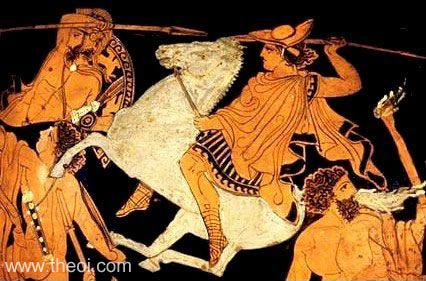
The Dioscuri, known in Greek mythology as Castor and Pollux, are twin brothers who hold a significant place in ancient tales. Their stories embody themes of brotherhood, loyalty, and heroism. They are often depicted as skilled horsemen and warriors, symbolizing the bond between siblings. The Dioscuri are also associated with the constellation Gemini, which further emphasizes their connection to the heavens. Their adventures and lineage reflect the complex interplay of human experiences, divine influence, and heroic deeds in Greek mythology.
Origins of the Dioscuri
The origins of the Dioscuri are steeped in mythology and intrigue. According to legend, they are the sons of Leda, a queen of Sparta, and Zeus, the king of the gods. Zeus took the form of a swan to seduce Leda, resulting in the birth of the twins. However, there is an interesting twist: Castor is said to be the son of Leda’s husband, King Tyndareus, making him mortal, while Pollux is the divine son of Zeus. This duality in their parentage contributes to their unique identities and the differing destinies they face.
 Doris
DorisThe contrasting origins of Castor and Pollux create a rich tapestry of character development. Castor, being mortal, is often depicted as the more grounded brother, representing the human experience. In contrast, Pollux, with his divine heritage, embodies the qualities of a hero and warrior. This duality not only shapes their personalities but also influences their roles in various myths. The brothers are often celebrated for their close relationship, showcasing the importance of familial bonds in Greek culture.
Attributes and Skills
The Dioscuri are renowned for their exceptional skills and attributes. Both brothers are depicted as skilled horsemen and proficient fighters. Their prowess in battle is legendary, and they often engage in heroic feats that highlight their bravery and loyalty. Pollux, in particular, is known for his boxing abilities, having fought alongside the Argonauts and participated in numerous contests. This combination of skills makes them formidable figures in Greek mythology.
In addition to their martial skills, the Dioscuri are associated with navigation and protection. Sailors often invoked their names for safe passage, believing that the twins could guide them through treacherous waters. Their presence was thought to bring good fortune and favorable winds. This aspect of their character underscores the belief in the divine influence on human affairs, reflecting the deep connection between the gods and mortals in ancient Greek society.
 Dryads
Adventures and Myths
The adventures of the Dioscuri are numerous and varied, showcasing their heroism and the challenges they faced. One of the most famous myths involves their participation in the Argonauts expedition, where they joined a group of heroes on a quest for the Golden Fleece. Their bravery and skill were instrumental in overcoming various obstacles during the journey. This tale not only highlights their abilities but also emphasizes the importance of teamwork and camaraderie among heroes.
Another significant adventure is their role in the rescue of Helen of Troy. When Helen was abducted, the Dioscuri took it upon themselves to retrieve her. Their loyalty to family and commitment to justice are evident in this story, as they fought valiantly to restore honor to their family. This myth reflects the themes of love, betrayal, and the lengths one will go to for loved ones, making it a poignant tale in the context of Greek mythology.
The Dioscuri in Art and Culture
The Dioscuri have been depicted in various forms of art and literature throughout history. Ancient Greek pottery often features images of Castor and Pollux, showcasing their heroic exploits and emphasizing their importance in mythology. Statues and reliefs have also been created to honor the twins, with many depicting them in action, highlighting their skills as warriors and horsemen. These artistic representations serve as a testament to their enduring legacy in Greek culture.
 Echidna
In addition to visual art, the Dioscuri have inspired countless literary works. Their stories have been retold in various forms, from ancient texts to modern adaptations. The themes of brotherhood and heroism resonate with audiences across generations, making their myths timeless. The Dioscuri continue to be referenced in contemporary culture, reflecting the lasting impact of Greek mythology on society.
Worship and Festivals
The Dioscuri were widely revered in ancient Greece, with various cult practices and festivals dedicated to them. The most notable of these was the Heraia, a festival held in honor of the twins in the city of Sparta. This event included athletic competitions, showcasing the physical prowess that the Dioscuri represented. Such festivals served not only as a celebration of their abilities but also as a means of fostering community and honoring the divine.
In addition to the Heraia, the Dioscuri were worshipped at various other sites throughout Greece. Temples and altars were dedicated to them, where individuals would offer sacrifices and prayers for protection and guidance. The belief in the twins’ ability to influence events in the mortal realm reflects the deep-seated connection between the divine and human experiences in ancient Greek religion.
Symbolism and Legacy
The Dioscuri symbolize various aspects of the human experience, including brotherhood, loyalty, and heroism. Their stories emphasize the importance of familial bonds and the lengths individuals will go to protect their loved ones. The duality of their origins—one mortal and one divine—serves as a metaphor for the struggles and triumphs faced by humanity. This complex relationship is a central theme in many myths and highlights the intricate nature of human existence.
Moreover, the Dioscuri’s legacy extends beyond mythology into modern culture. Their influence can be seen in various forms of art, literature, and even popular media. The themes they represent continue to resonate with audiences today, serving as a reminder of the enduring power of myth and the human experience. The Dioscuri stand as a testament to the rich tapestry of Greek mythology and its relevance in contemporary society.
The Dioscuri in Popular Culture
In recent years, the Dioscuri have found their way into popular culture, appearing in various films, books, and television series. Their stories have been adapted and reimagined, introducing their heroic exploits to new audiences. This resurgence in interest reflects the timeless nature of their myths and the universal themes they embody. From action-packed retellings to more introspective narratives, the Dioscuri continue to captivate the imagination of people around the world.
Furthermore, the Dioscuri’s connection to the constellation Gemini has led to their incorporation into astrological themes. Many people associate the twins with traits such as adaptability, communication, and duality. This connection further emphasizes their relevance in modern culture, as individuals seek to understand their personalities and relationships through the lens of mythology and astrology.
The Dioscuri, Castor and Pollux, embody the rich tapestry of Greek mythology. Their tales of heroism, loyalty, and brotherhood continue to resonate with audiences across generations. From their origins and adventures to their impact on art and culture, the Dioscuri remain significant figures in the pantheon of Greek mythology. Their enduring legacy serves as a reminder of the power of myth to connect us to our shared human experience.