
St. Dismas, often referred to as the Good Thief, holds a unique place in Christian mythology. His story is primarily derived from the accounts of the crucifixion of Jesus Christ, found in the New Testament. Dismas is one of the two thieves crucified alongside Jesus, and his narrative serves as a powerful reminder of redemption and forgiveness. In the Gospels, he is portrayed as a man who, despite his past sins, recognizes Jesus’ divinity and seeks salvation in his final moments. This article explores the life, significance, and legacy of St. Dismas, highlighting his role in Christian teachings and how he continues to inspire believers around the world.
The Biblical Account of St. Dismas
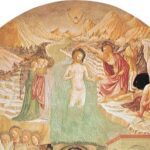 St. Dionysius Of Alexandria
The primary biblical reference to St. Dismas is found in the Gospel of Luke, specifically in Luke 23:39-43. In this passage, as Jesus hangs on the cross, one of the criminals crucified beside Him begins to mock Him. However, the other criminal, traditionally identified as Dismas, rebukes the first thief, acknowledging their guilt and proclaiming Jesus’ innocence. This moment is pivotal, as it reflects Dismas’s recognition of Jesus’ divine nature. He then turns to Jesus and says, “Jesus, remember me when you come into your kingdom.” Jesus responds with the profound promise, “Truly I tell you, today you will be with me in paradise.” This exchange highlights themes of faith, repentance, and the hope of salvation.
The name “Dismas” is not found in the Bible itself; it appears in later Christian tradition. Some sources suggest that the name may be derived from the Greek word for “sunset,” symbolizing the end of life but also the promise of a new beginning. Dismas’s story emphasizes that no matter how far one may have strayed, there is always a path to redemption. This narrative resonates with many Christians who believe that even in their darkest moments, they can turn to Jesus for forgiveness.
Theological Significance of St. Dismas
The story of St. Dismas carries deep theological significance within Christianity. His recognition of Jesus as the Messiah, even in the face of death, serves as a powerful illustration of faith. Dismas’s plea for remembrance demonstrates a profound understanding of his own sins and a desire for grace. This act of faith is a crucial element in Christian theology, as it underscores the belief that salvation is available to all, regardless of their past actions.
 St. Dionysius
Moreover, St. Dismas represents the idea that repentance can occur at any moment, even at the very end of one’s life. This notion is particularly comforting to many believers, as it suggests that no one is beyond the reach of God’s mercy. In a broader sense, Dismas’s story challenges Christians to reflect on their own lives and consider the importance of forgiveness and compassion towards others. His transformation from a condemned criminal to a saint exemplifies the power of God’s love to change lives.
Key Themes in Dismas’s Story
- Redemption: Dismas’s plea for forgiveness highlights the possibility of redemption for all.
- Faith: His recognition of Jesus as the Savior demonstrates the essential role of faith in salvation.
- Forgiveness: The story encourages believers to forgive others, as they too have received forgiveness.
- Hope: Dismas’s final moments remind us that hope exists even in despair.
St. Dismas in Christian Tradition
Over the centuries, St. Dismas has been venerated in various Christian traditions. His feast day is celebrated on March 25th in the Western Church, while the Eastern Orthodox Church commemorates him on the Friday of Bright Week. These celebrations often focus on the themes of repentance and the boundless mercy of God. The narrative of St. Dismas has inspired numerous works of art, literature, and music, reflecting his enduring legacy in Christian culture.
In art, St. Dismas is often depicted alongside Jesus and the other thief, highlighting the contrast between their responses to the crucifixion. Artists have captured the moment of Dismas’s confession and plea for mercy, illustrating the profound impact of his faith. Many churches and cathedrals feature statues or stained glass windows honoring St. Dismas, serving as a reminder of the transformative power of grace.
 St. Dina Bélanger
St. Dismas in Literature and Music
- Many hymns and songs celebrate St. Dismas’s story, emphasizing themes of redemption.
- Literature often explores the moral implications of his story, focusing on forgiveness and grace.
- St. Dismas has been referenced in various novels, symbolizing hope and transformation.
St. Dismas as a Symbol of Hope
St. Dismas is often viewed as a symbol of hope for those who feel lost or unworthy. His story serves as a reminder that no one is beyond the reach of God’s grace. Many believers find comfort in the idea that even in their final moments, they can seek forgiveness and be welcomed into God’s kingdom. This message resonates deeply with individuals who may struggle with feelings of guilt or shame over their past actions.
Furthermore, Dismas’s narrative encourages Christians to extend grace and forgiveness to others. In a world often marked by division and judgment, his example serves as a call to compassion. Believers are reminded that, like Dismas, they too have been recipients of mercy and are called to share that mercy with others. This message is particularly relevant in today’s society, where the need for understanding and reconciliation is paramount.
Devotion to St. Dismas
Many Christians practice devotion to St. Dismas, seeking his intercession for forgiveness and grace. Some people pray to him for assistance in overcoming personal struggles or for help in leading others to faith. This devotion often includes prayers that reflect on his life and the importance of repentance. The simple yet profound plea of Dismas, “Jesus, remember me,” serves as a model for those seeking to deepen their relationship with God.
Additionally, some communities have established groups or prayer circles dedicated to St. Dismas, focusing on themes of recovery and redemption. These gatherings provide a supportive environment for individuals seeking healing from past mistakes and a deeper understanding of God’s love. Through these devotions, St. Dismas continues to inspire and guide many on their spiritual journeys.
St. Dismas in Modern Christian Practice
In contemporary Christian practice, St. Dismas remains a relevant figure, especially in discussions about grace and forgiveness. Many pastors and spiritual leaders reference his story in sermons and teachings, emphasizing the importance of recognizing one’s sins and turning to God for forgiveness. His narrative is often used to illustrate the concept of unconditional love, showing that no one is beyond redemption.
Moreover, St. Dismas’s story is frequently included in discussions about social justice and compassion for those marginalized by society. His background as a criminal challenges believers to reflect on their attitudes towards those who have made mistakes. Many Christians are called to advocate for those in prison or struggling with addiction, drawing parallels between their struggles and Dismas’s journey towards redemption.
St. Dismas in the Context of Modern Issues
- Advocacy for the marginalized: St. Dismas serves as a reminder to support those who are often judged or ostracized.
- Prison ministry: Many churches engage in outreach to incarcerated individuals, inspired by Dismas’s story.
- Recovery programs: St. Dismas is often invoked in discussions about addiction recovery and healing.
The Legacy of St. Dismas
The legacy of St. Dismas endures through the centuries, reminding believers of the transformative power of faith and repentance. His story is not just about a criminal seeking forgiveness; it is about the promise of new life offered to all who turn to God. As Christians reflect on Dismas’s journey, they are encouraged to embrace their own opportunities for growth and change.
In various cultures, St. Dismas has become a symbol of hope for the hopeless and a patron saint for those in need of mercy. His life serves as a testament to the belief that everyone, regardless of their past, can find a place in God’s heart. As communities continue to celebrate his feast day and honor his memory, the message of redemption and grace remains a central theme in the Christian faith.
St. Dismas, the Good Thief, represents a powerful narrative within Christian mythology that emphasizes redemption, faith, and the boundless mercy of God. His story encourages believers to reflect on their own lives and the importance of seeking forgiveness, as well as extending that forgiveness to others. Through devotion, modern practices, and advocacy for the marginalized, St. Dismas’s legacy continues to inspire hope and transformation in the hearts of many.