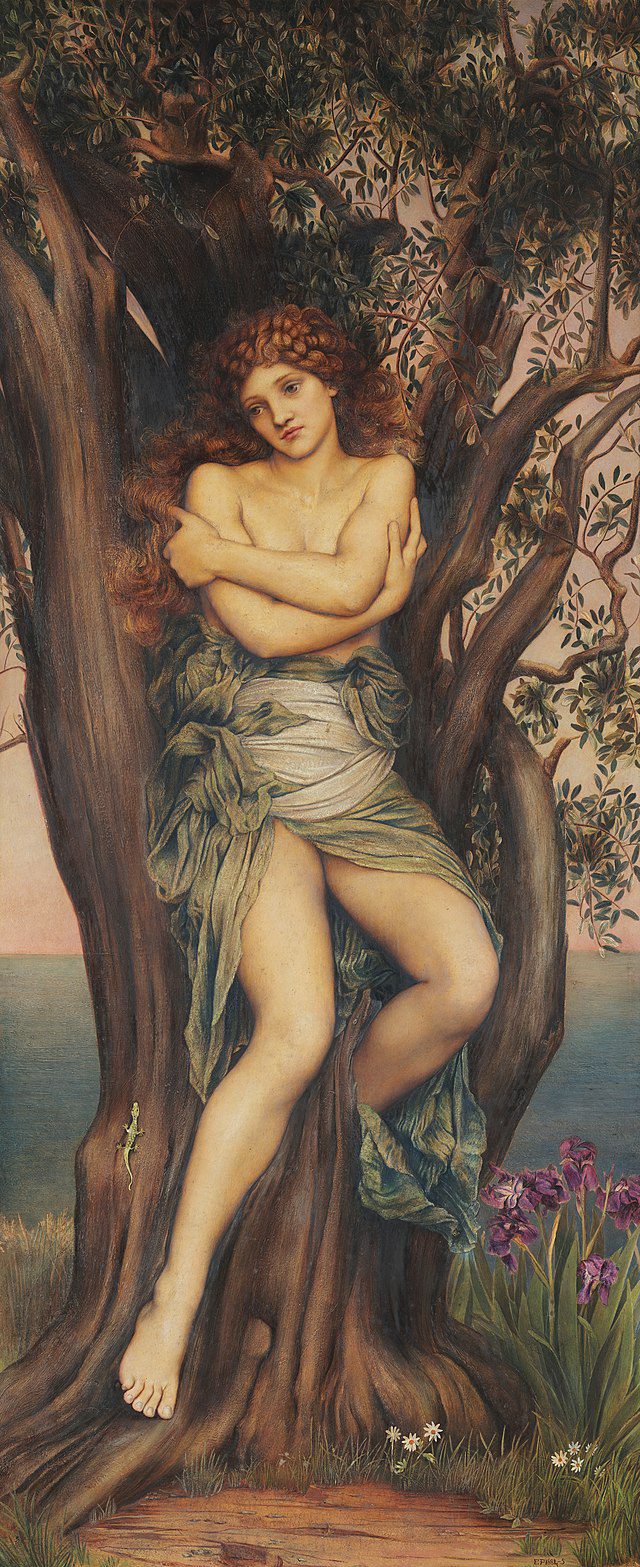
In Greek mythology, dryads are often depicted as beautiful female spirits who are intimately connected with trees and the forests. They are known to be the guardians of the woods, embodying the essence of nature. Each dryad is typically associated with a specific tree, and their lives are deeply intertwined with the health and well-being of that tree. If the tree suffers, the dryad suffers too, highlighting the profound relationship between nature and these mythical beings. The word “dryad” comes from the Greek word “drys,” which means oak tree, but over time, the term has expanded to include spirits of various types of trees.
Types of Dryads
Dryads are primarily categorized into different types based on the trees they are associated with. The most well-known among these are the hamadryads, who are specifically tied to oak trees. Hamadryads are said to be born with the tree they protect and die if the tree is cut down or destroyed. This connection emphasizes their vulnerability and the importance of preserving nature. Other types of dryads include meliae, who are associated with ash trees, and pine dryads, who are linked to pine trees. Each type of dryad has unique characteristics and stories that highlight their role in the ecosystem.
 Echidna
- Hamadryads: Guardians of oak trees, born and dying with their tree.
- Meliae: Spirits of ash trees, often associated with fertility and growth.
- Pine Dryads: Linked to pine trees, embodying resilience and endurance.
The Role of Dryads in Nature
Dryads play a crucial role in maintaining the balance of nature. They are often seen as protectors of the forest, ensuring that the trees and plants thrive. Their presence is believed to promote growth and fertility in the surrounding flora. In ancient Greek culture, people revered dryads and offered them sacrifices to gain their favor. This practice highlights the importance of these spirits in the lives of the ancient Greeks, who depended on nature for their survival. By honoring dryads, they sought to ensure a bountiful harvest and a healthy environment.
Moreover, dryads are often depicted as nurturing figures. They are known to care for the animals and plants within their domain, fostering a sense of community within the forest. This nurturing aspect emphasizes the interconnectedness of all living things, reminding us that every creature, no matter how small, has a role to play in the ecosystem. The stories of dryads often illustrate the importance of respecting nature and recognizing our responsibility to protect it.
Dryads in Greek Literature
Throughout Greek literature, dryads appear in various myths and stories, showcasing their significance in the cultural imagination. One of the most famous tales involving dryads is the story of Hercules and the Golden Apples of the Hesperides. In this myth, Hercules must retrieve golden apples that are guarded by a dragon and the Hesperides, who are often associated with dryads. The apples represent immortality, and the dryads are portrayed as both protectors and nurturers of these precious fruits.
 Echo
EchoAnother notable reference to dryads can be found in the works of the ancient poet Ovid. In his “Metamorphoses,” Ovid tells the story of a young man named Alpheus who falls in love with a dryad named Arethusa. This tale highlights the beauty and allure of dryads, as well as their tragic fate when they are forced to flee from human desires. The story serves as a reminder of the delicate balance between humanity and nature, as well as the consequences of disrupting that harmony.
Symbolism of Dryads
In addition to their roles in mythology, dryads also carry significant symbolism. They represent the spirit of nature, embodying the life force of the forests and trees. Their connection to specific trees symbolizes the idea of growth, renewal, and the cyclical nature of life. Dryads are often seen as symbols of fertility and abundance, reflecting the bountiful gifts that nature provides to humanity. This symbolism is particularly important in agricultural societies, where the health of the land directly impacts the survival of the community.
Furthermore, dryads symbolize the importance of conservation and the need to protect the environment. As guardians of the forest, they remind us of our responsibility to care for the earth and all its inhabitants. Their tragic fate when their trees are harmed serves as a powerful warning about the consequences of environmental destruction. By recognizing the symbolism of dryads, we can gain a deeper understanding of the interconnectedness of all living beings and the importance of preserving our natural world.
 Eileithyia
Dryads in Art and Popular Culture
The allure of dryads has transcended ancient mythology, finding a place in various forms of art and popular culture. Artists throughout history have depicted dryads in paintings, sculptures, and literature, capturing their ethereal beauty and connection to nature. One famous example is the painting “The Dryad” by the artist John William Waterhouse, which portrays a serene dryad amidst a lush forest. This artwork encapsulates the essence of dryads as both enchanting and vulnerable beings.
In modern popular culture, dryads continue to inspire stories in literature, films, and video games. They are often portrayed as mystical creatures with magical abilities, capable of communicating with nature and shaping the environment around them. In many fantasy novels, dryads are depicted as powerful allies to protagonists, using their knowledge of the forest to aid in battles against evil forces. This modern interpretation of dryads highlights their enduring appeal and the timeless connection between humanity and nature.
Dryads in Folklore and Legends
Beyond Greek mythology, dryads have influenced folklore and legends in various cultures around the world. Many cultures have their own versions of tree spirits or nature guardians, reflecting the universal reverence for nature. For example, in Slavic folklore, there are beings known as “leshy,” who are forest spirits that protect the woods and its inhabitants. Similarly, in Native American traditions, there are spirits associated with trees and plants, emphasizing the importance of nature in their belief systems.
The presence of tree spirits in different cultures serves as a reminder of the shared human experience of connecting with nature. These stories often convey important lessons about respecting the environment and living in harmony with the earth. The concept of dryads and their counterparts in other cultures reflects the deep-seated belief in the spiritual essence of nature and the need to protect it for future generations.
The Impact of Dryads on Environmental Awareness
In contemporary society, the symbolism and stories of dryads have gained renewed relevance as environmental awareness grows. As people become more conscious of the impact of human activities on the planet, the messages embodied by dryads resonate more than ever. Their role as protectors of the forest serves as a powerful reminder of the importance of conservation and sustainable practices.
Many environmental movements draw inspiration from the stories of dryads, using them as symbols of the fight against deforestation and habitat destruction. By invoking the image of dryads, activists emphasize the need to protect not only trees but also the entire ecosystem that depends on them. This connection to mythology can inspire individuals to take action in their own communities, fostering a sense of responsibility toward the environment.
Educational Initiatives Inspired by Dryads
Educational initiatives aimed at promoting environmental awareness often incorporate the imagery and stories of dryads to engage younger audiences. By introducing children to the concept of dryads, educators can instill a sense of wonder and respect for nature. Programs that involve storytelling, art, and outdoor activities can help children connect with the environment and understand the importance of preserving it.
Additionally, nature-based education programs frequently use the symbolism of dryads to teach children about the interconnectedness of all living things. By exploring the relationships between plants, animals, and humans, students can gain a deeper appreciation for the natural world. This educational approach not only fosters a love for nature but also empowers the next generation to become advocates for environmental protection.
Dryads and Their Connection to Human Emotions
The stories of dryads often explore themes of love, loss, and the human experience. Their tragic fates, tied to the health of their trees, evoke feelings of empathy and compassion. This connection between dryads and human emotions serves as a powerful reminder of the fragility of life and the importance of cherishing our relationships with both nature and each other.
In literature and art, dryads are frequently portrayed as figures of longing and desire, reflecting the complexities of human emotions. Their stories often involve love that transcends boundaries, whether it be between a dryad and a mortal or among different beings in the forest. These narratives resonate with audiences, highlighting the universal themes of connection and the consequences of our actions on the world around us.
Dryads as Metaphors for Change
Dryads also serve as metaphors for change and transformation. Their connection to trees symbolizes the cycles of life, death, and rebirth. Just as trees shed their leaves and grow anew, dryads embody the idea of renewal and adaptation. This metaphor can be applied to human experiences, encouraging individuals to embrace change and find strength in the face of adversity.
The stories of dryads can inspire us to reflect on our own lives and the changes we encounter. Whether it’s a personal transformation or a broader societal shift, the lessons learned from dryads remind us that growth often comes from embracing the unknown. This perspective can empower individuals to navigate life’s challenges with resilience and hope.
Conclusion: The Lasting Legacy of Dryads
As we explore the world of dryads, we uncover a rich tapestry of mythology, symbolism, and cultural significance. From their roles as guardians of the forest to their impact on environmental awareness, dryads continue to inspire and resonate with people across generations. Their stories remind us of the importance of protecting nature and the interconnectedness of all living beings. In a world facing environmental challenges, the legacy of dryads serves as a guiding light, encouraging us to cherish and safeguard the beauty of our planet.