
Deucalion is a significant figure in Greek mythology, often recognized as the Greek equivalent of Noah from the biblical account. His story is primarily associated with a great flood that wiped out most of humanity, leaving only Deucalion and his wife, Pyrrha, to repopulate the earth. This myth carries themes of rebirth and renewal, reflecting the ancient Greeks’ understanding of nature and the cyclical patterns of life. The tale of Deucalion not only highlights the power of the gods but also emphasizes the importance of virtue and piety in human life.
Origins of Deucalion
The origins of Deucalion are rooted in the lineage of Prometheus, the Titan known for his intelligence and for stealing fire from the gods to give to humanity. Deucalion is often described as the son of Prometheus and Pyrrha, who is sometimes considered to be the daughter of Epimetheus, Prometheus’s brother. This connection to Prometheus highlights the theme of humanity’s relationship with the divine. Prometheus is a symbol of creativity and defiance against the gods, and his son, Deucalion, inherits some of these traits, particularly his ability to endure and adapt.
 Dike
DikeDeucalion’s story takes place in a time when humanity had become corrupt and wicked, prompting the gods to take drastic measures. According to the myth, Zeus, the king of the gods, decided to cleanse the earth with a great flood. He intended to eliminate the impiety and chaos that had taken over the world. The decision to flood the earth serves as a reminder of the consequences of moral decay and the importance of maintaining a virtuous life.
The Great Flood
The narrative of the great flood begins with Zeus’s decision to destroy humanity. He ordered the waters to rise and cover the land, and soon, torrential rains began to fall. The floodwaters quickly overwhelmed the earth, and most people perished in the deluge. Deucalion, however, was forewarned by his father, Prometheus, who advised him to build a sturdy vessel to survive the impending disaster. This preparation is crucial in the myth, as it emphasizes the importance of wisdom and foresight in the face of calamity.
Deucalion constructed a large wooden box or ark, similar to the biblical Noah’s Ark. He and his wife, Pyrrha, climbed aboard just as the floodwaters began to rise. The rains continued for days, and the couple watched as the world they knew was submerged. This part of the myth symbolizes a cleansing of the earth, where the old, corrupt world is washed away, making way for a new beginning. The flood serves as a powerful metaphor for destruction and rebirth.
 Dione
DioneSurvival and the Rebirth of Humanity
After many days at sea, the floodwaters finally began to recede, and Deucalion and Pyrrha found themselves on the top of Mount Parnassus. They were grateful to have survived, but they also realized that they were the last of their kind. With humanity wiped out, they faced the daunting task of repopulating the earth. This moment marks a turning point in the myth, as it represents hope and the resilience of human spirit. Deucalion and Pyrrha are seen as the progenitors of a new race, tasked with rebuilding civilization.
In their solitude, Deucalion and Pyrrha prayed to the goddess Themis for guidance. Themis, known for her wisdom and sense of justice, instructed them to throw the bones of their mother behind them. Deucalion interpreted this as a command to throw stones, symbolizing the earth. As they did so, the stones transformed into people, thus repopulating the earth. This act underscores the themes of creation and renewal, suggesting that humanity can rise anew from the remnants of the past.
Symbolism in Deucalion’s Myth
The myth of Deucalion is rich with symbolism and deeper meanings. The flood itself can be seen as a representation of the cleansing power of nature. It serves as a reminder that the earth can be both nurturing and destructive. This duality reflects the ancient Greeks’ understanding of the natural world, where the gods controlled the forces of nature and humanity was at their mercy. The flood symbolizes a reset, allowing for the emergence of a new, more virtuous humanity.
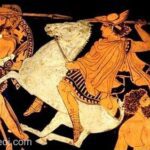 Dioscuri
Additionally, Deucalion and Pyrrha’s survival and their subsequent actions highlight the importance of family and partnership. Their unity in the face of disaster illustrates the strength found in companionship and collaboration. The couple’s journey also serves as a metaphor for the trials of life, where perseverance and faith can lead to rebirth and hope.
Comparisons with Other Flood Myths
Deucalion’s story shares similarities with other ancient flood myths from various cultures. One of the most notable comparisons is with the biblical account of Noah. Both figures are warned of an impending flood and take measures to save themselves and their families. This common theme suggests a universal understanding of the need for moral integrity and the consequences of human actions. Flood myths often serve as cautionary tales, warning against the pitfalls of immorality and hubris.
In addition to the biblical account, other cultures, such as the Mesopotamian civilization, have similar flood narratives. The Epic of Gilgamesh features Utnapishtim, who is also forewarned of a great flood and instructed to build a vessel. These stories emphasize the role of divine intervention in human affairs and the idea that the gods often respond to human behavior with significant consequences.
Deucalion in Art and Literature
The figure of Deucalion has inspired numerous works of art and literature throughout history. Artists have depicted the moment of the flood, the construction of the ark, and the subsequent repopulation of the earth in various forms. These representations often highlight the dramatic and emotional aspects of the myth, capturing the fear and hope experienced by Deucalion and Pyrrha. The flood scenes are particularly powerful, emphasizing the overwhelming force of nature and the fragility of human life.
In literature, Deucalion’s myth has been referenced by many ancient poets, including Ovid in his work “Metamorphoses.” Ovid recounts the story in detail, providing insights into the characters’ emotions and motivations. The enduring nature of this myth has allowed it to be revisited and reinterpreted by countless writers and artists over the centuries, showcasing its timeless relevance.
Modern Interpretations of Deucalion’s Myth
In contemporary times, the myth of Deucalion has found new life in discussions surrounding environmental issues. The story serves as a metaphor for the current challenges faced by humanity, including climate change and natural disasters. Many interpret the flood as a warning about the consequences of neglecting the environment and the importance of living in harmony with nature. Deucalion’s tale can be seen as a call to action, urging people to reflect on their actions and strive for a more sustainable future.
Furthermore, Deucalion’s story resonates with themes of resilience and hope in the face of adversity. In a world where challenges seem insurmountable, the myth reminds us that renewal is possible. Just as Deucalion and Pyrrha overcame the flood and rebuilt humanity, modern individuals can find strength in unity and purpose to face their own challenges. This interpretation emphasizes the enduring nature of myths and their ability to inspire and guide us through difficult times.
Lessons from Deucalion’s Story
The tale of Deucalion imparts several important lessons that remain relevant today. One of the most significant is the idea of responsibility towards one another and the environment. The actions of humanity have consequences, and the myth serves as a reminder that we must strive to live ethically and sustainably. The flood represents the potential fallout of moral decay, urging individuals to cultivate virtues such as honesty, respect, and compassion.
Additionally, Deucalion’s resilience in the face of disaster teaches the importance of hope and perseverance. Life is often filled with challenges, and the ability to adapt and rise above adversity is crucial. The myth emphasizes that, even in the darkest times, there is potential for rebirth and renewal. This message encourages individuals to remain hopeful and to work together towards a brighter future.
The Legacy of Deucalion
The legacy of Deucalion endures in various forms, from literature and art to modern discussions on environmentalism and morality. His story continues to inspire individuals and communities to reflect on their actions and their impact on the world. The themes of cleansing, rebirth, and responsibility resonate across cultures and generations, making Deucalion a timeless figure in mythology.
In educational contexts, the myth of Deucalion is often studied to explore the intersection of mythology, morality, and human behavior. It serves as a powerful tool for discussing the consequences of actions and the importance of ethical living. As societies face ongoing challenges, the lessons from Deucalion’s story remain relevant, encouraging individuals to seek wisdom and strive for a better world.