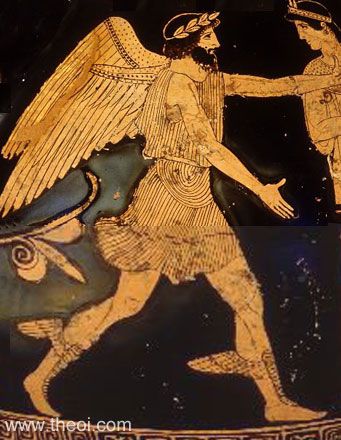
Boreas is a significant figure in Greek mythology, known primarily as the god of the north wind. His name translates to “the North Wind” in ancient Greek, and he is often depicted as a powerful deity associated with cold weather and storms. Boreas is one of the four seasonal winds, each representing a cardinal direction and corresponding to different weather patterns. The Greeks believed that these winds were not just natural phenomena but also had personalities and powers of their own. Boreas, in particular, was feared and respected for his ability to bring harsh winter conditions, making him a complex figure in the pantheon of Greek gods.
The Origins of Boreas
The origins of Boreas can be traced back to ancient Greek texts, where he is often mentioned alongside his siblings, the other wind gods known as the Anemoi. These siblings include Zephyrus, the god of the west wind; Notus, the god of the south wind; and Eurus, the god of the east wind. Each of these gods had distinct characteristics and roles within Greek mythology. Boreas, as the north wind, was associated with the cold and often destructive forces of winter. The Greeks attributed various natural phenomena, such as snowstorms and freezing temperatures, to Boreas’s influence.
 Dionysus
Boreas was said to reside in a cave on the slopes of Mount Hemus, located in Thrace. This location was significant as it was believed to be the source of his powerful winds. The Thracian region was known for its harsh winters, which further reinforced the connection between Boreas and the cold. In artistic depictions, Boreas is often portrayed as a bearded man with wings, symbolizing his ability to travel swiftly through the skies and deliver cold winds to the mortal world. His imagery typically includes icy elements, such as snowflakes or frost, emphasizing his association with winter.
Boreas in Greek Literature
Boreas appears in various works of ancient Greek literature, where he is often depicted as a formidable force. One of the most famous references to Boreas can be found in Homer’s “Iliad.” In this epic poem, he is invoked during scenes of battle, where his winds are said to affect the course of events. For example, Boreas is mentioned as a supporter of the Greek forces, helping to drive away the enemy ships with his fierce gales. This portrayal highlights his dual nature as both a protector and a destroyer, capable of aiding heroes while also unleashing chaos.
 Cadmus
The Role of Boreas in Myths
Boreas plays a significant role in various myths and legends throughout Greek culture. His character is often intertwined with themes of love, power, and the natural world. One of the most notable stories involving Boreas is that of the Argonauts. In this tale, the Argonauts, led by Jason, are on a quest to find the Golden Fleece. During their journey, they encounter fierce storms and treacherous waters. Boreas, in a show of support for the heroes, calms the seas and allows them to continue their journey safely. This act demonstrates Boreas’s ability to influence the natural world and aid those he favors.
Another important myth involving Boreas is the story of the Trojan War. In this narrative, Boreas is said to have assisted the Greeks by providing favorable winds for their ships. His intervention was crucial for the Greek forces, allowing them to reach the shores of Troy. The connection between Boreas and the outcome of the war illustrates the belief that the gods had direct control over human affairs and could alter the course of events through their powers.
Boreas and the Seasons
Boreas’s association with winter extends to his role in the changing of the seasons. In Greek mythology, each of the Anemoi was believed to govern a specific season. Boreas, as the north wind, was closely linked to the winter months, bringing cold temperatures and snow. This connection to the seasons highlights the importance of nature in Greek culture and how the gods were perceived as influencers of the environment.
 Caenis
As winter approached, Boreas was thought to unleash his icy breath upon the land, causing the trees to shed their leaves and the ground to freeze. This seasonal transformation was both feared and revered by the ancient Greeks, who relied on the changing weather for their agricultural practices. The arrival of Boreas was seen as a necessary part of the cycle of life, as winter was followed by spring, when the warmth of the sun would return, allowing crops to grow again.
Boreas in Art and Culture
Boreas has been a popular subject in various forms of art throughout history. Ancient Greek pottery often features depictions of Boreas, showcasing his strong physique and wings. These artworks served not only as decorative pieces but also as representations of the gods and their influence on daily life. Artists would often depict Boreas in scenes that highlighted his connection to winter and the power of nature, capturing the essence of his character in visual form.
In addition to pottery, Boreas has been represented in sculptures and frescoes from ancient Greece. Many of these artworks showcase him in dynamic poses, emphasizing his ability to move swiftly through the air. The artistic representation of Boreas often includes elements of nature, such as swirling clouds or snowflakes, which further reinforce his association with the winter season. These artworks have contributed to our understanding of how the ancient Greeks viewed Boreas and the significance of his character within their mythology.
Modern Interpretations of Boreas
In modern times, Boreas continues to be a figure of interest in literature, art, and popular culture. His character has been reinterpreted in various ways, often reflecting contemporary themes and values. For example, some modern authors have drawn on Boreas’s story to explore themes of love and power, using his myth as a backdrop for new narratives. These reinterpretations allow audiences to connect with ancient myths in a way that feels relevant to today’s world.
Additionally, Boreas has made appearances in various forms of media, including movies, television shows, and video games. These portrayals often take creative liberties, adapting Boreas’s character to fit different storylines and genres. Despite these changes, the core elements of Boreas’s identity as the god of the north wind and a powerful force of nature remain central to his character. This enduring legacy speaks to the lasting impact of Greek mythology on modern storytelling.
The Symbolism of Boreas
Boreas symbolizes the dual nature of the elements, representing both the beauty and terror of winter. His character embodies the idea that nature can be both nurturing and destructive. For the ancient Greeks, Boreas was a reminder of the power of the natural world and the importance of respecting it. His ability to bring forth winter storms and freezing temperatures served as a warning of the potential dangers that could arise from unchecked natural forces.
Furthermore, Boreas’s association with the changing seasons highlights the cyclical nature of life. The arrival of winter, though harsh, is necessary for the renewal of spring. This cycle of death and rebirth is a common theme in many cultures, and Boreas serves as a representation of this fundamental truth. His character encourages individuals to embrace the changes that life brings, understanding that each season has its purpose and beauty.
Boreas in Rituals and Worship
The ancient Greeks often held rituals and festivals in honor of their gods, including Boreas. These events were meant to appease the gods and seek their favor for good weather and bountiful harvests. Boreas, as the god of the north wind, was invoked during winter celebrations, where people would pray for milder weather and protection from the harsh elements. These rituals often included offerings and sacrifices, demonstrating the deep reverence the Greeks had for Boreas and the natural forces he represented.
In some regions, Boreas was celebrated during the winter solstice, marking the shortest day of the year. This celebration served as a reminder of the changing seasons and the eventual return of light and warmth. The Greeks believed that by honoring Boreas, they could influence the weather patterns and ensure a favorable climate for their crops. This connection between worship and the natural world reflects the integral role that mythology played in the daily lives of the ancient Greeks.
The Legacy of Boreas
The legacy of Boreas continues to be felt in various aspects of culture and society. His character serves as a reminder of the ancient Greeks’ deep connection to nature and their understanding of the world around them. Boreas represents the idea that the forces of nature are powerful and should be respected. This respect for the natural world is a theme that resonates today, as environmental concerns and climate change become increasingly important issues.
Moreover, Boreas’s story has influenced countless works of literature and art throughout history. His character serves as a symbol of the eternal struggle between humanity and the elements, a theme that is still relevant in contemporary storytelling. The enduring nature of Boreas’s legacy speaks to the universal truths found in mythology, allowing his story to transcend time and continue to inspire new generations.