
St. Francis Borgia is a significant figure in Christian mythology and the history of the Catholic Church. He was born in 1510 in the Kingdom of Spain and belonged to a noble family. His life and works are often celebrated for their dedication to faith, service, and the education of others. Borgia is known for his role as a Jesuit priest and for his efforts in spreading the teachings of Christianity across various regions. His legacy continues to inspire many within the Church and beyond.
The Early Life of St. Francis Borgia
St. Francis Borgia was born into a prominent family, which afforded him a privileged upbringing. His father was the Viceroy of Catalonia, and he was raised in an environment rich in culture and tradition. From a young age, Borgia was exposed to the principles of nobility and the importance of service to God and country. His education was comprehensive, covering various subjects such as literature, philosophy, and theology, which would later influence his work as a Jesuit.
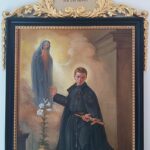 St. Gabriel Of Our Lady Of Sorrows
As a young man, Borgia was known for his charm and intelligence. He was also a devoted Christian who took his faith seriously. His early experiences in the court of Charles V, the Holy Roman Emperor, shaped his views on leadership and responsibility. He witnessed the complexities of political life and the struggles of the Church during a time of great change. These experiences would later inform his approach to spirituality and education.
His Journey to the Jesuits
In 1539, St. Francis Borgia’s life took a significant turn when he experienced a profound spiritual awakening. This moment prompted him to consider a life dedicated to religious service. He decided to join the Society of Jesus, commonly known as the Jesuits, founded by St. Ignatius of Loyola. The Jesuits emphasized education, missionary work, and a deep commitment to the Catholic faith, aligning perfectly with Borgia’s values.
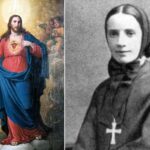 St. Frances Xavier Cabrini
Upon joining the Jesuits, Borgia took on various roles that showcased his leadership and dedication. He was instrumental in establishing schools and colleges that provided a strong foundation in Christian education. His commitment to the Jesuit mission was evident in his efforts to train young priests and laypeople, ensuring they were well-prepared to spread the message of Christianity.
Contributions to Education and Missionary Work
St. Francis Borgia’s contributions to education were remarkable. He believed that education was a powerful tool for spreading the faith and empowering individuals. Under his guidance, many schools were established throughout Spain and beyond. These institutions focused on providing a comprehensive education that included both spiritual and academic subjects.
Borgia also played a crucial role in missionary work. He recognized the importance of reaching out to different cultures and sharing the teachings of Jesus Christ. His efforts extended to regions in the Americas and Asia, where he encouraged Jesuits to engage with local communities and adapt their teachings to resonate with diverse cultures. This approach fostered a sense of respect and understanding, which was essential for successful missionary endeavors.
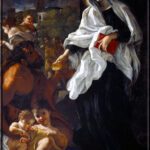 St. Frances Of Rome
St. Francis Borgia as a Leader
As a leader within the Jesuit order, St. Francis Borgia was known for his ability to inspire and motivate others. His leadership style was characterized by humility, compassion, and a strong sense of duty. He understood the importance of collaboration and often sought the input of his fellow Jesuits when making decisions. This inclusive approach not only strengthened the order but also created a sense of community among its members.
Under his leadership, the Jesuits expanded their influence significantly. Borgia worked tirelessly to promote the values of the Society of Jesus, which emphasized education, spirituality, and social justice. He believed that a strong foundation in these areas was essential for the growth and sustainability of the Church. His vision for the Jesuits helped establish them as a powerful force in the Catholic Church during the Counter-Reformation.
Spiritual Practices and Legacy
St. Francis Borgia was deeply committed to his spiritual practices. He was known for his dedication to prayer, meditation, and reflection. Borgia often encouraged others to engage in similar practices, believing that they were vital for personal growth and a deeper understanding of God. His spiritual life was marked by a profound sense of connection to the divine, which he sought to share with others through his teachings.
His legacy is evident in the continued presence of the Jesuits around the world. Today, Jesuit institutions remain committed to education, social justice, and the promotion of Christian values. St. Francis Borgia’s influence can be seen in the countless lives touched by Jesuit teachings and the ongoing commitment to serving others. His dedication to education and spirituality serves as an enduring inspiration for many.
Feast Day and Veneration
The feast day of St. Francis Borgia is celebrated on October 10. This day is an opportunity for Catholics around the world to remember his contributions to the Church and the values he embodied. On this day, various rituals and celebrations take place, including special Masses, prayers, and reflections on his life. Many Jesuit institutions also commemorate this day with events that highlight Borgia’s commitment to education and spirituality.
St. Francis Borgia is venerated as a saint within the Catholic Church. His life and works serve as an example of how one can live a life dedicated to faith and service. His canonization took place in 1672, and since then, he has been recognized as a model for those pursuing a life of religious devotion and service to others.
Influence on Modern Jesuit Education
The principles established by St. Francis Borgia continue to influence modern Jesuit education. Today, Jesuit schools emphasize a holistic approach to education, focusing not only on academic excellence but also on the development of moral and ethical values. This approach is rooted in Borgia’s belief that education should empower individuals to make a positive impact on society.
Jesuit institutions often encourage students to engage in service projects and community outreach programs. This emphasis on social justice reflects Borgia’s commitment to helping those in need and advocating for the marginalized. The legacy of St. Francis Borgia lives on in the mission of these schools, which aim to produce well-rounded individuals who are not only knowledgeable but also compassionate and socially responsible.
St. Francis Borgia in Art and Culture
St. Francis Borgia has been depicted in various forms of art and culture throughout history. His life and works have inspired artists, writers, and musicians to create pieces that celebrate his legacy. Many paintings and sculptures capture his essence, often portraying him in prayer or engaged in acts of service. These artistic representations serve to remind people of his dedication to the Christian faith and his commitment to helping others.
In literature, St. Francis Borgia is often referenced as a symbol of devotion and leadership. His story has been told in various biographies and religious texts that highlight his contributions to the Church and the Jesuit order. His life serves as an inspiration for writers who explore themes of faith, service, and the impact of education on personal and societal growth.
St. Francis Borgia’s life and legacy continue to resonate with many people today. His commitment to education, spirituality, and service serves as a guiding light for those seeking to live a life of purpose and meaning. The values he championed remain relevant in today’s world, encouraging individuals to strive for excellence in their personal and professional lives while also serving their communities.